
 简体中文
简体中文 Deutsch
 日本語
日本語 한국어
한국어 Tiếng Việt
 Русский
 ไทย
ไทย Bahasa Indonesia
 Bahasa Melayu
 Filipino
 لالعربية
 Français
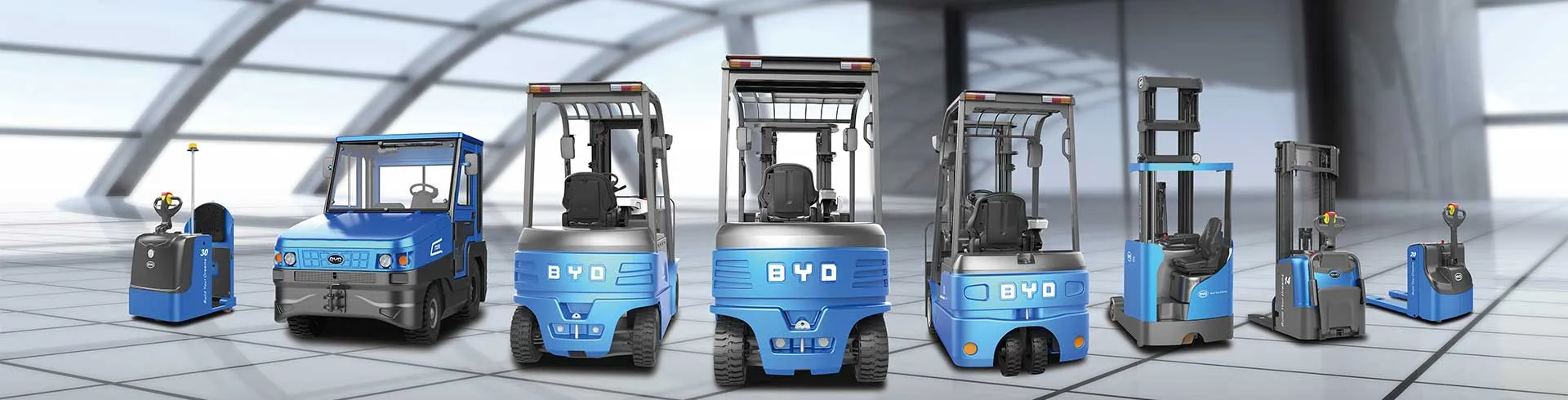
Due to the characteristics of low temperature and high humidity, the cold storage environment has more stringent performance requirements for operating equipment. In the context of the rapid development of cold chain logistics, lithium-ion forklifts for cold storage have gradually become the mainstream choice due to their advantages of environmental protection and low noise. However, in the face of sub-zero low temperature conditions, how to scientifically select a suitable lithium-ion forklift needs to be considered from multiple core dimensions.
First of all, the low temperature adaptability of the battery system is one of the core considerations. The chemical activity of lithium batteries at low temperatures will be reduced, resulting in reduced capacity output and reduced charging and discharging efficiency. When selecting models, attention should be paid to the thermal insulation design of the battery pack, such as the use of wrapping insulation layers or heating systems to ensure that the battery operating temperature is maintained within a reasonable range. At the same time, the battery management system (BMS) needs to have a dynamic compensation algorithm under low temperature conditions to monitor the battery status in real time to avoid overcharging and over-discharging, and ensure battery life stability. Some devices will also be equipped with a low temperature preheating function. Before starting, the battery activity will be improved by short-term preheating to adapt to extreme low temperature environments.
Secondly, the low temperature operation efficiency of the power system directly affects the operation efficiency. Low temperature will affect the starting torque output and operation efficiency of the motor, resulting in insufficient power or increased energy consumption. When selecting the model, the low temperature adaptability of the motor should be examined, and the wide temperature range motor should be preferred. Its design can stabilize the output rated power in the range of -20 ° C to 50 ° C, and avoid torque attenuation due to low temperature. At the same time, the transmission system needs to optimize the design, such as the use of low friction coefficient transmission parts to reduce mechanical losses at low temperatures and ensure smooth power transmission. In addition, matching suitable working devices, such as gantries, forks, etc., needs to take into account the structural strength in low temperature environment to avoid affecting the operation stability due to low temperature embrittlement.
The low-temperature reliability of the control system cannot be ignored either. The low-temperature environment places higher demands on the stability of electrical components. The control system needs to use low-temperature resistant electronic components, and the circuit interface needs to be sealed to prevent short circuits caused by condensate intrusion. The electronic control system of some equipment has a fault self-diagnosis function, which can quickly identify sensor abnormalities at low temperatures and avoid affecting the safety of the operation due to misjudgment. In addition, human-machine interaction components such as operating handles and dashboards need to have tactile feedback optimization in low-temperature environments to ensure accurate control when wearing gloves.
The body structure and environmental protection design also need to be paid attention to. The low temperature environment in the cold storage can easily lead to frost on the surface of the equipment, which affects the normal operation of the equipment. The body design should consider thermal insulation and anti-condensation. For example, the battery compartment adopts a sealed structure, and the cab is equipped with cold-proof glass to reduce the conduction of cold energy. The choice of tires needs to take into account the low temperature grip and avoid slipping on smooth ground. Some models will also be equipped with snow chains or special tread designs. In addition, the whole equipment needs to pass the low temperature environment test to ensure that the various components can still work together under extreme conditions such as minus 30 ° C, prolonging the service life of the equipment.
Finally, the comprehensive consideration of safety and operation and maintenance system is essential. Under low temperature conditions, the safety protection of equipment is particularly important, and it needs to have anti-freezing protection functions. For example, the hydraulic system automatically stops running at low temperature to prevent the equipment from being damaged due to oil solidification. In terms of daily operation and maintenance, you should choose a model that is easy to maintain, such as the battery can be quickly disassembled and charged, and the key components are equipped with visual inspection windows, which is convenient for operators to quickly troubleshoot in low temperature environments. At the same time, the equipment needs to comply with the safety specifications of low temperature operations to avoid safety accidents caused by equipment failures.
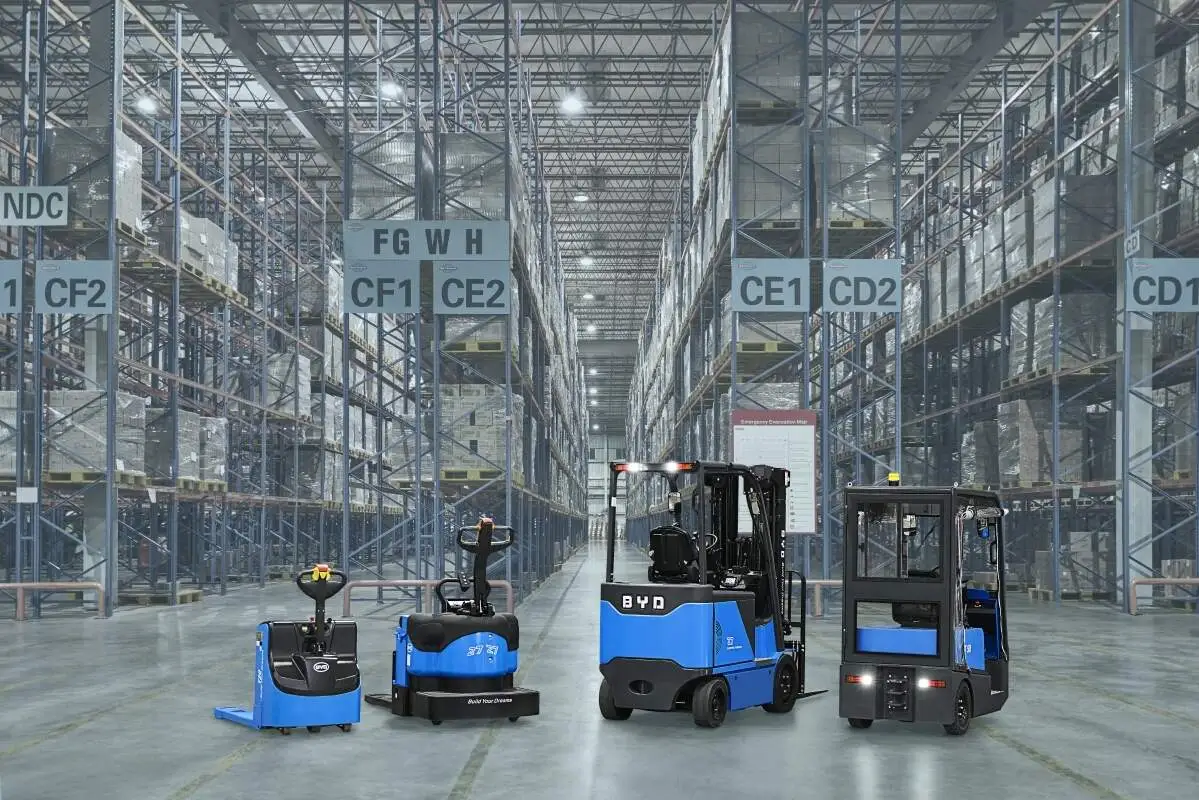
In summary, the selection of lithium-ion forklifts dedicated to cold storage under sub-zero and low temperature conditions requires a combination of core elements such as battery performance, power system, control system, body protection, and safety operation and maintenance, combined with the temperature range, cargo weight, turnover efficiency, and other parameters of the actual operation scene. Only by selecting more adaptable equipment can we ensure the efficiency and safety of cold storage operations.


