
 简体中文
简体中文 Deutsch
 日本語
日本語 한국어
한국어 Tiếng Việt
 Русский
 ไทย
ไทย Bahasa Indonesia
 Bahasa Melayu
 Filipino
 لالعربية
 Français
The differences in the core application scenarios of the two models
Adaptation scenarios for 3-ton models
The CPD30 has a rated load of 3 tons. The overall size of the body is relatively compact, the turning radius is smaller, and the flexibility performance is excellent. It is suitable for internal material transfer in ordinary warehouses, as well as floor operations and narrow channel material handling scenarios. In scenarios where the weight of goods that need to be loaded, unloaded and transported on a daily basis is generally less than 2.5 tons, the battery life performance of this model can fully meet the needs of single-shift routine operations. The subsequent operation and maintenance costs are relatively low, and the ground load-bearing requirements in the operation area are also more relaxed. It is suitable for the use conditions of most ordinary floors.
Adaptation scenarios for 3.5-ton models
The CPD35 has a rated load of 3.5 tons, more abundant power output, higher maximum lift height, better traffic stability in the face of ramps and uneven roads, and is more suitable for outdoor factory transshipment, heavy cargo loading and unloading, trunk truck point-to-point loading and unloading operations and other scenarios. If the daily weight of goods is generally more than 3 tons, this model has more load redundancy and lower probability of component loss in long-term operation.
Key points to refer to when selecting a model
Warehousing scene selection suggestions
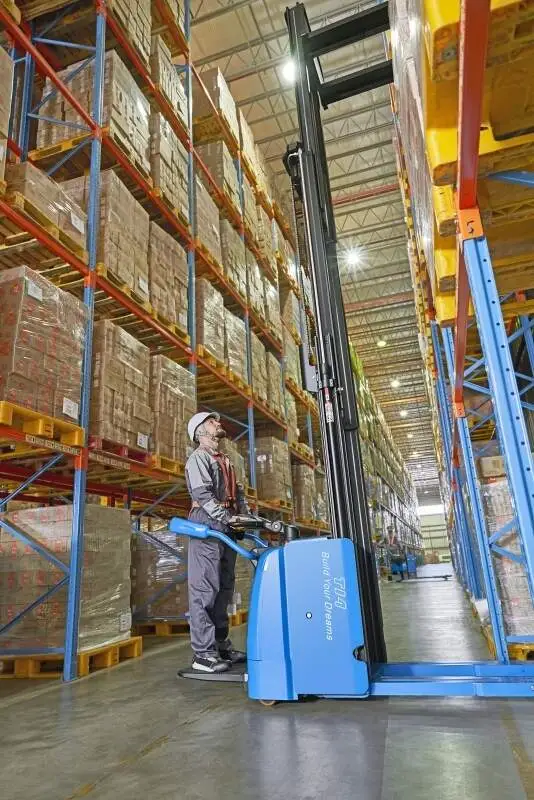
For scenarios such as ordinary e-commerce warehousing and light industrial parts warehouses, the daily handling of goods is generally not high in weight, and the width of the operation channel is limited. By giving priority to 3-ton models, all operation needs can be met. The advantage of small size allows vehicles to move flexibly between shelves, greatly reducing the probability of bumps during operation, and also effectively reducing procurement costs and subsequent power consumption.
Suggestions for selection of factory transit scenarios
For scenarios such as manufacturing plants and large logistics transit yards, heavy goods need to be loaded and unloaded frequently on a daily basis. Vehicles often pass outdoors, and the road conditions they face are more complex, so 3.5-ton models can be preferred. Adequate load redundancy can avoid the vehicle from being fully loaded for a long time, prolong the service life of the vehicle, and can also cope with the occasional need for overweight goods handling, without the need to call other heavy handling equipment.
Users should not only refer to the rated load parameters when actually selecting a model, but also consider the average load, maximum lifting height, working channel width, and ground load-bearing conditions of their daily operations, and choose the model that best suits their needs. This will enable them to fully meet all the needs of daily operations while reasonably controlling investment costs.


