
 简体中文
简体中文 Deutsch
 日本語
日本語 한국어
한국어 Tiếng Việt
 Русский
 ไทย
ไทย Bahasa Indonesia
 Bahasa Melayu
 Filipino
 لالعربية
 Français
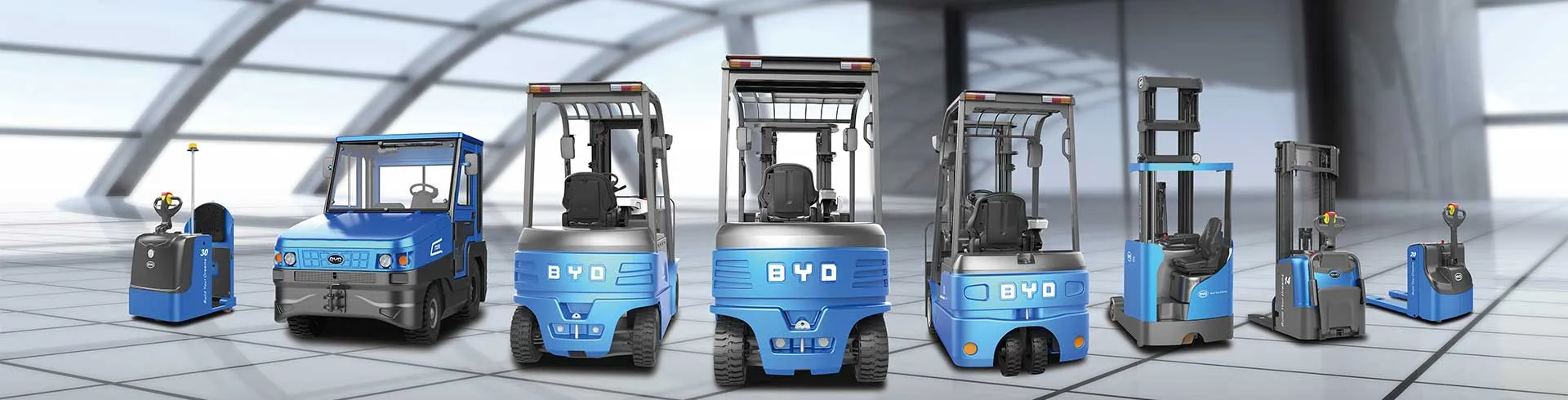
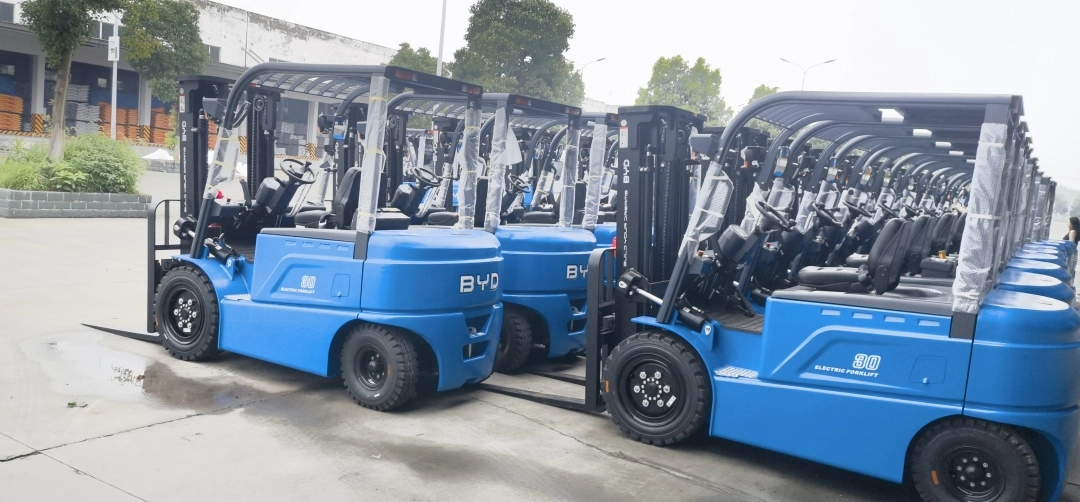
Many companies with material transfer requirements purchase ride-on counterbalanced forklifts, often due to unfamiliarity with the selection logic, purchasing equipment that is poorly adapted to their own working conditions, which subsequently drives up the overall operating cost. Next, combined with the characteristics of 3.5-ton mainstream models, share the practical points of the whole process of selection.
Priority is given to defining the core working condition adaptation requirements
Job Scenario Matching
Before selecting the model, first sort out the core scenarios of daily operations, such as indoor narrow-channel storage and transfer, outdoor factory short-distance handling, and multi-scene mixed use. The requirements for body size, power output, and ground adaptability vary greatly. The CPD35 ride-on counterweight model shared this time has a body design that takes into account the stability and channel capacity under rated load, and is suitable for the transshipment needs of most conventional manufacturing workshops and room temperature storage. It can be put into use without additional adjustment of the site layout.
Redundancy calculation of load life
Count the maximum load of daily single handling and the longest working time in a single day, and reserve about 10% of the performance redundancy when selecting the model to avoid long-term full load operation of the equipment and effectively prolong the service life of the whole machine. For scenarios with two shifts or even longer working hours, the configuration that supports quick replenishment can be preferred to reduce the waiting downtime between jobs.
full-cycle cost accounting
Operation and maintenance convenience verification
Before purchasing, confirm the versatility of the core components of the equipment and the coverage of local after-sales outlets to avoid waiting for parts and on-site maintenance cycles that are too long after subsequent equipment failures, which will affect the overall logistics turnover efficiency. Preference is given to the same-level models with higher local ownership, and the subsequent procurement costs of parts will be more controllable.
Long-term energy consumption cost comparison
The basic energy consumption of electric forklifts of the same level is not very different, and the selection focuses on the energy efficiency conversion performance of the power system. In the case of high-frequency use, it can save a lot of operating expenses in the long run. The intelligent energy management function supported by some models can also help managers intuitively grasp the use status of the equipment and optimize the scheduling.
Human-machine experience and security configuration verification
long-term job adaptability
For scenarios where the average daily operating time of the driver exceeds four hours, it is necessary to focus on the shock absorption design of the seat and the damping feedback of the operating handle to minimize the fatigue of long-term operation and reduce the probability of operation errors.
security configuration verification
Check the standard configuration of the model one by one, such as anti-slip slope, overload alarm, panoramic vision optimization, etc., to confirm that it meets the safety requirements of daily operation scenarios, especially those involving slope channel operations. The relevant safety configuration can greatly reduce the risk of operation.
The overall selection process should not only focus on a single procurement quotation, but also choose the appropriate model based on the company's operation scale planning in the next one to three years, so that the comprehensive cost-effective handling equipment can be selected.


