
 简体中文
简体中文 Deutsch
 日本語
日本語 한국어
한국어 Tiếng Việt
 Русский
 ไทย
ไทย Bahasa Indonesia
 Bahasa Melayu
 Filipino
 لالعربية
 Français
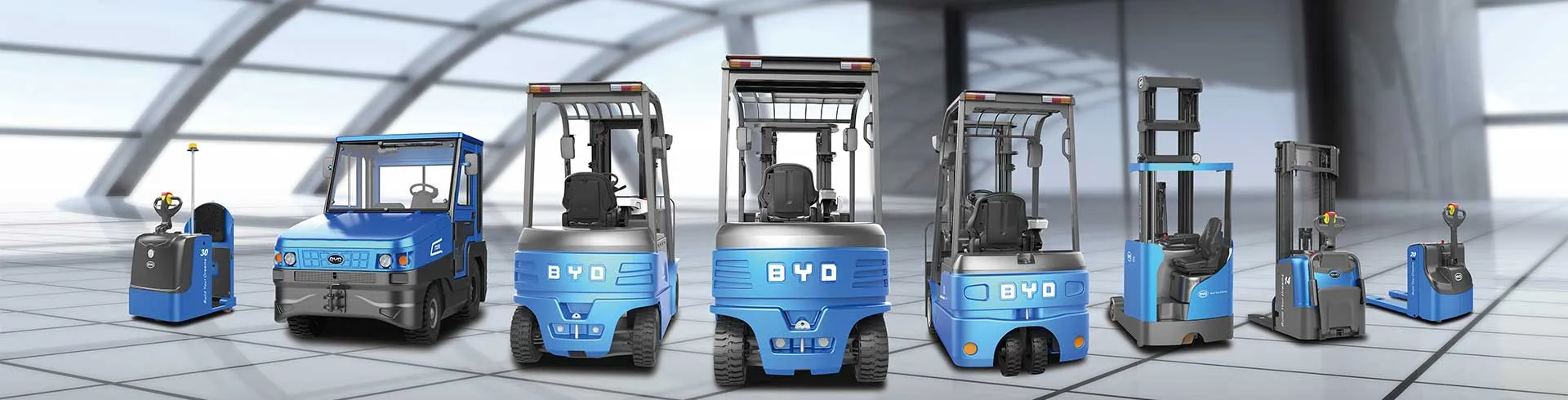
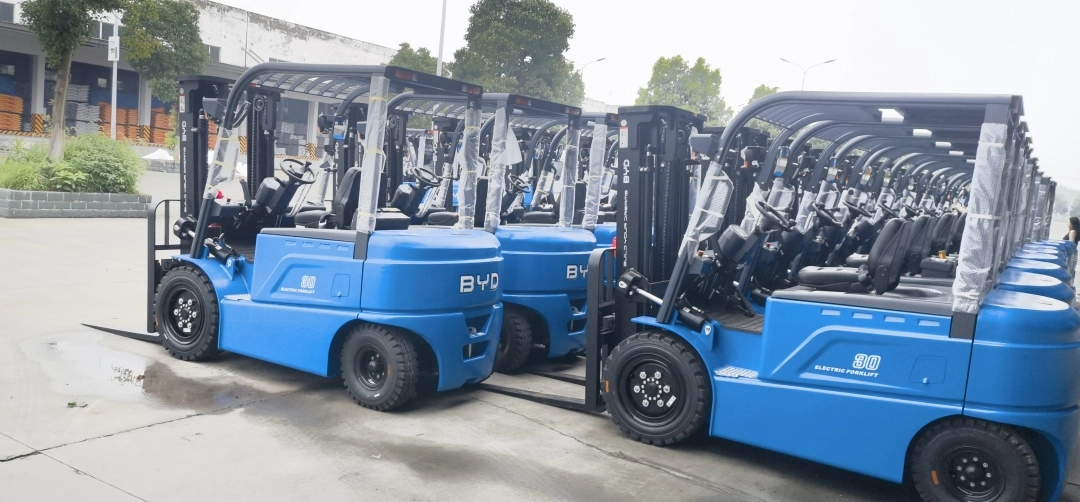
Nowadays, in scenarios such as factory logistics and warehousing turnover, more and more users are choosing 2-ton lithium-ion forklifts. Many users are faced with multiple products of the same specification during the selection stage, and they often do not know which dimensions to judge their suitability.
Basic configuration verification points
First of all, we must pay attention to the battery life performance. Scenarios with different operating durations have different requirements for battery life. In scenarios where only a single shift operates for 6 to 8 hours a day, products with conventional battery life specifications can meet the needs of use. If multi-shift continuous operation is involved, models that support fast charging and quick disassembly of batteries can effectively reduce charging waiting time and improve overall operating efficiency.
Secondly, it is necessary to check the passability and load-bearing parameters. The body size and minimum operating channel width design of different models are different. Some models are more suitable for narrow channel storage, while others are more suitable for open flat floor factory operations. Users should check whether the rated load-bearing and maximum lifting height of the product match their own cargo handling and stacking requirements based on the channel width and ground flatness of their own operating scenarios.
usage scenario adaptation suggestions
If it is a high-frequency continuous operation scenario, the daily operation time is more than 8 hours, the material handling frequency is high, the travel distance is long, and the model with stable power output and excellent battery cycle performance is preferred. The operation and maintenance cost in the subsequent long-term use stage is lower, and the comprehensive use experience is better.
If the working space is limited, the width of the warehouse channel is narrow, or it is necessary to work under special working conditions such as floor-to-floor, constant temperature and humidity, you can choose a model with a more compact body design and a more complete protective configuration for special working conditions, which is more flexible and can better adapt to the needs of special scenarios.
When selecting a model, users don't need to pursue redundant configurations blindly. By considering their actual operational needs and calculating the cost of the entire life cycle, they can choose a product with excellent adaptability.


