
 简体中文
简体中文 Deutsch
 日本語
日本語 한국어
한국어 Tiếng Việt
 Русский
 ไทย
ไทย Bahasa Indonesia
 Bahasa Melayu
 Filipino
 لالعربية
 Français
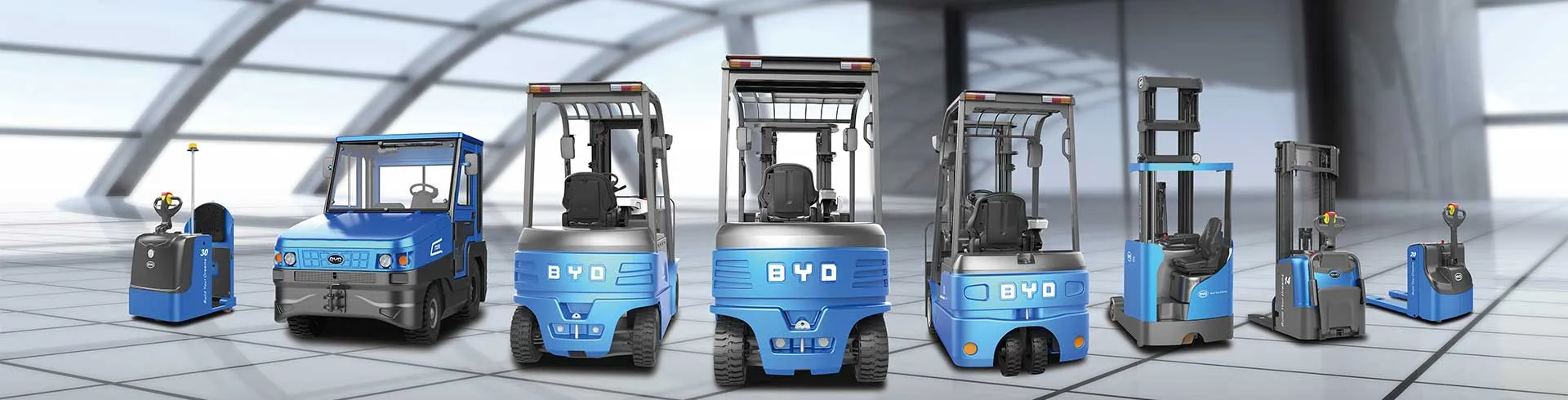
The differences in the basic positioning of the two models
The difference between applicable scenarios
The load of both models reaches the 2-ton level, and the focus of the core design is completely different. One of them is more inclined to the conventional factory transfer scene, adapting to the continuous operation requirements of hardened open-air pavement. The body weight design has been specially optimized to maintain sufficient stability on uneven pavement, which can adapt to the material handling needs of most ordinary production plants. The other one has been specially optimized for the narrow-channel storage scene. The overall width control of the body is more compact, and the minimum turning radius is smaller. It does not need to reserve too wide working channels, so that the picking and unloading actions between the shelves can be completed smoothly, greatly improving the utilization rate of storage space.
Differential Performance of Power Adjustment
Adaptation characteristics of battery life and energy consumption
Both models are equipped with a mature and reliable vehicle power battery system, and the battery life is enough to meet the regular operation needs of more than eight hours a day, but the power adjustment logic is obviously different. For outdoor factory operations, the upper limit of power output is higher, the maximum driving speed is faster, and the overall operation efficiency can be effectively improved when transporting materials over long distances across the workshop, reducing the time consumption of a single transfer. The vehicle power adjustment optimized for storage scenarios is biased towards low-speed and high-frequency operations, and the energy consumption control of the start-stop process is better. It is suitable for the operation rhythm of repeated walking and frequent start-stop in the warehouse. Long-term use can further reduce energy consumption costs.
Differentiate the details of the user experience
The different focuses of human-machine configuration
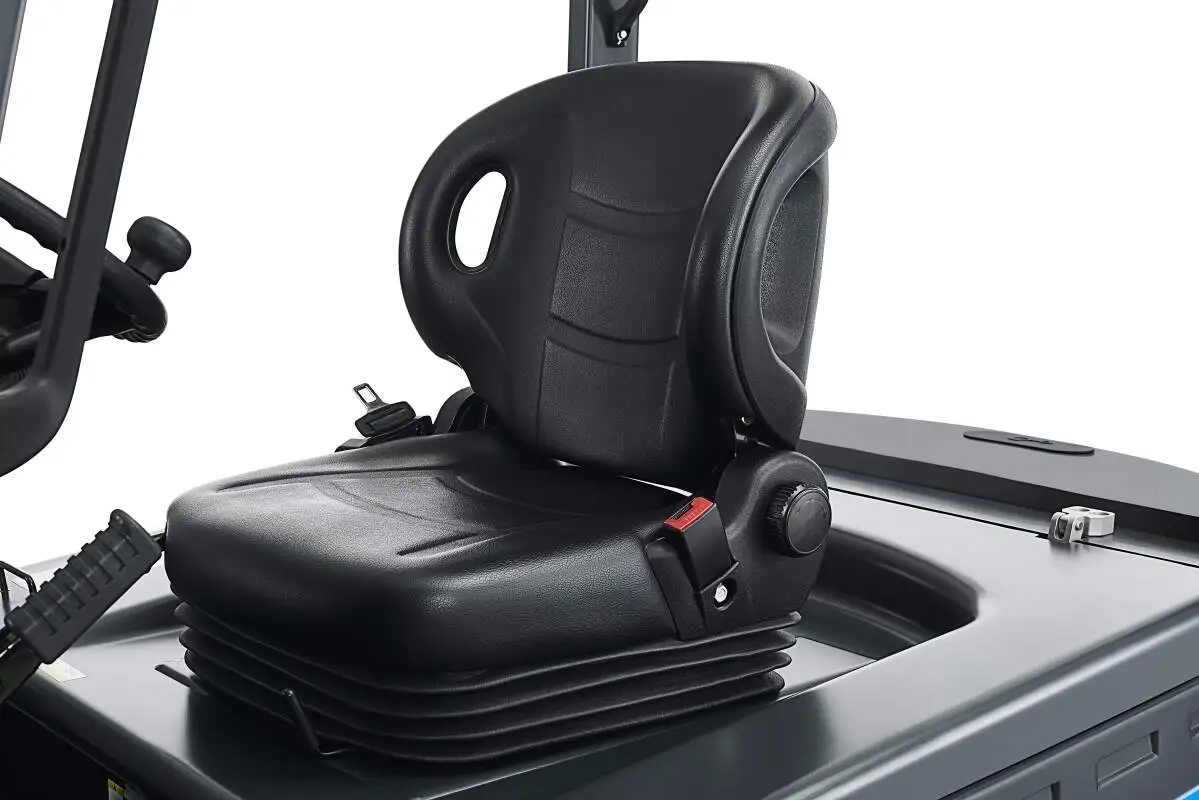
The operation logic of the two models is in line with the usage habits of conventional electric forklifts, but the choice of human-machine configuration is different. The operating handle layout of the model that favors storage is more compact, and all functions can be adjusted by raising your hand when standing and driving, and long-term high-frequency operation is not easy to produce fatigue. Models that prefer factory use have richer optional configurations, and can be equipped with supporting functions such as shading and warm air, which are suitable for long-term operation in open-air high temperature or low temperature environments, providing operators with a more comfortable working experience.


