
 简体中文
简体中文 Deutsch
 日本語
日本語 한국어
한국어 Tiếng Việt
 Русский
 ไทย
ไทย Bahasa Indonesia
 Bahasa Melayu
 Filipino
 لالعربية
 Français
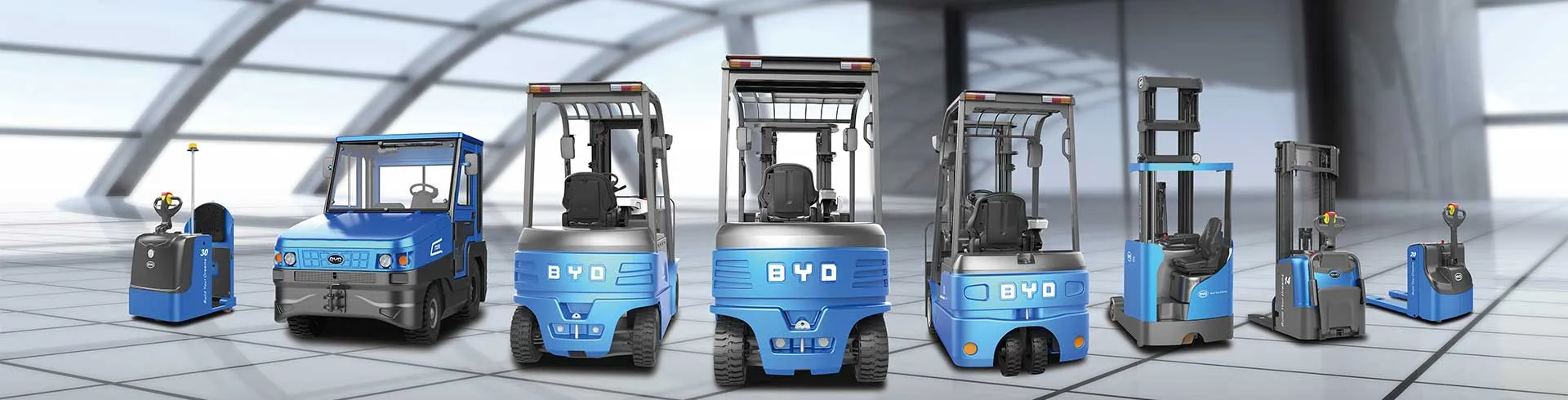
H2: Core judgment criteria for the selection of 1.8-ton electric forklift trucks
When selecting a 1.8-ton electric forklift, it is necessary to clarify the core requirements of its own operation, including key factors such as site space, load frequency, and operation time. If the operation site is narrow, flexibility is the primary consideration; if it is high-intensity continuous operation, battery life and power stability are more important.
H3: Comparison of the core performance of two electric forklifts of the same tonnage
The two 1.8-ton electric forklifts compared this time have their own suitable scenarios in terms of characteristics. One focuses on narrow-channel operation, with a compact body structure and a smaller turning radius, suitable for cargo handling in indoor limited spaces such as warehouses and supermarkets; the other focuses on continuous operation, with longer battery range and stable power output. It is suitable for long-term high-intensity outdoor or semi-outdoor operation scenarios.
In addition to the core performance, there are also differences in the operation design of the two models. One uses ergonomic seats, and the lever layout fits the hand movement trajectory, which can reduce the fatigue of long-term operation; the other optimizes the lifting speed of the gantry, shortens the operation cycle of cargo handling, and improves the overall handling efficiency.
When purchasing, there is no need to follow the trend blindly. You should consider the specific conditions of your daily operation, such as daily operation hours, site size, cargo weight distribution, etc., to comprehensively judge the suitability of the two models, and choose a 1.8-ton electric forklift that better meets your needs.


