
 简体中文
简体中文 Deutsch
 日本語
日本語 한국어
한국어 Tiếng Việt
 Русский
 ไทย
ไทย Bahasa Indonesia
 Bahasa Melayu
 Filipino
 لالعربية
 Français

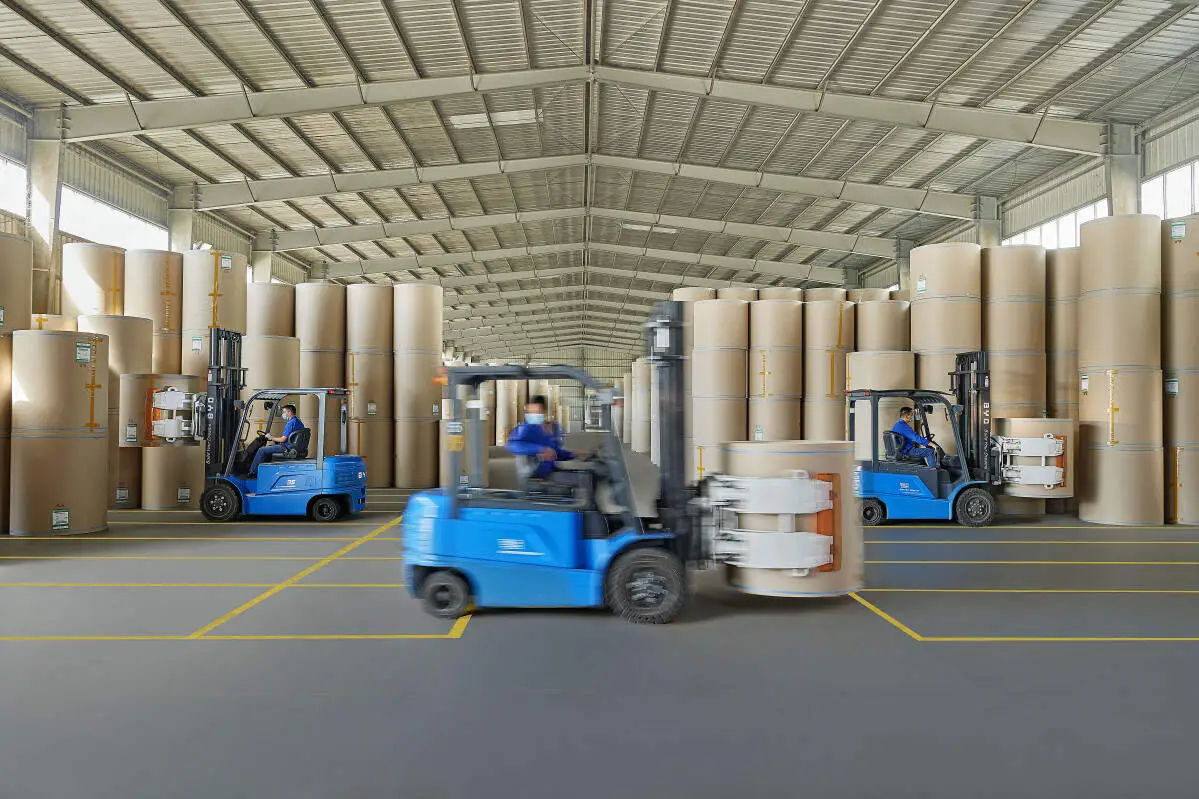
The core difference between the two 1.8-ton lithium-ion forklifts, the difference in rated parameters and operating capacity, one of which focuses on compact space adaptation, with small fuselage size, narrow turning radius, flexible access to narrow passages or elevators, suitable for operation scenarios with limited space; the other focuses on continuous heavy-duty operation, with longer battery life, more sufficient power reserve, and supports batch handling tasks of more than eight hours in a row. Differentiated adaptation of operation scenarios, the former is suitable for high-frequency handling of scattered goods in e-commerce warehouses and small express outlets, and flexibly responds to complex and narrow operating environments; the latter is more suitable for continuous bulk cargo transfer in production workshops and large logistics transit warehouses to meet the needs of high-intensity operations. In terms of model selection guidelines, users need to start from actual needs: if the site passage is narrow, the daily operation frequency is high, and the single load is moderate, the former is preferred; if the daily operation time is long and the single handling batch is large, the latter's endurance and power performance are more suitable; at the same time, combined with the details of cargo type, ground conditions, etc., to ensure that the selection fits the actual situation, improve operation efficiency and reduce use costs.


