
 简体中文
简体中文 Deutsch
 日本語
日本語 한국어
한국어 Tiếng Việt
 Русский
 ไทย
ไทย Bahasa Indonesia
 Bahasa Melayu
 Filipino
 لالعربية
 Français
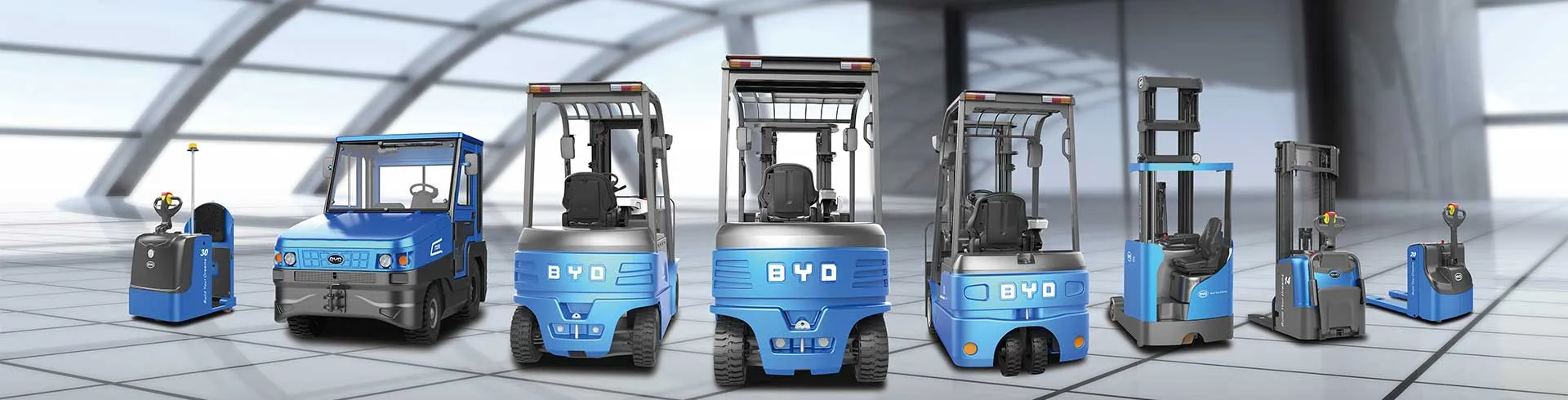
In modern logistics and warehousing operations, electric forklifts are the core equipment, and their cost has always been the focus of enterprises. For 3-ton lithium-ion forklifts, based on the scenario of 8 hours of operation per day, the calculation of electricity cost for one year involves comprehensive consideration of multiple key parameters. This paper will dissect the composition and specific value of its electricity cost in detail from the aspects of equipment power, operating hours, and electricity price standards.
The core composition of the electricity cost of a 3-ton lithium-ion forklift truck
The electricity cost of an electric forklift is mainly composed of two parts: one is the power consumption during the operation of the forklift, and the other is the electricity expenditure based on the power consumption. Among them, the power consumption directly depends on the motor power, operating time and battery efficiency of the forklift. For a 3-ton lithium-ion forklift, the working power is usually between 10-15 kW, and the specific value varies slightly depending on the brand, working conditions and battery capacity. Considering that the forklift will experience a variety of working conditions such as no-load driving, full-load lifting, and in-situ steering in daily operation, the average power can be estimated at 12 kW, which is in line with the typical power range of 3-ton lithium-ion forklifts in the industry.
Calculation of annual electricity cost based on 8-hour daily operation
#Basic data of daily power consumption and annual power consumption
Average daily working hours: Set to 8 hours according to demand.
- Annual operating days: with reference to the regular operation of the enterprise, calculated according to 300 working days (excluding statutory holidays and equipment maintenance time).
- Average power: The average working power of a 3-ton lithium-ion forklift is 12 kilowatts, that is, it consumes 12 kWh of electricity per hour (1 kilowatt = 1 kWh of electricity).
The specific calculation process
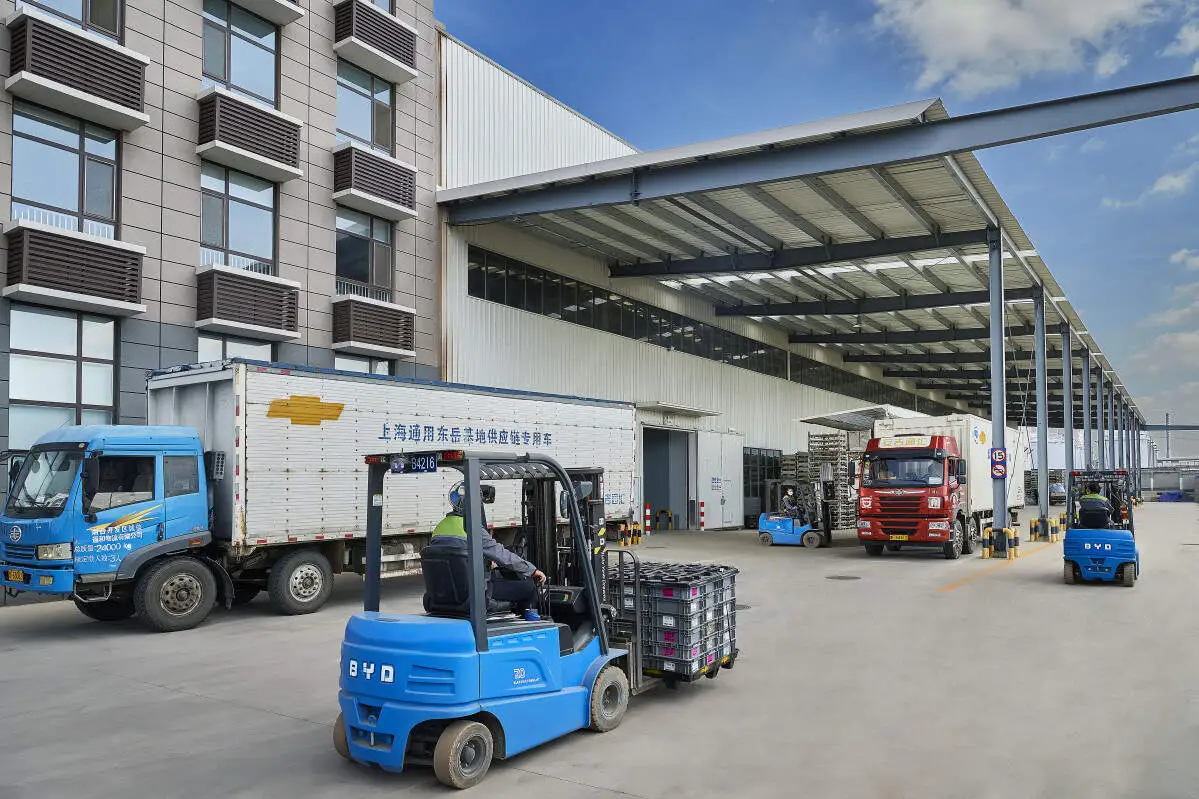
Daily power consumption: 12 kilowatts for 8 hours = 96 degrees (kWh).
Annual power consumption: 96 kWh/day for 300 days = 28,800 kWh.
#Annual electricity cost accounting
- Average industrial electricity price: The average price of domestic industrial electricity is about 0.7 yuan/kWh (depending on the region, time period and type of electricity consumption, such as peak and valley electricity prices can be as low as 0.5 yuan/kWh and as high as 0.9 yuan/kWh, take the average here).
Annual electricity cost: 28,800 kWh 0.7 yuan/kWh = 20,160 yuan.
Analysis of Key Factors Affecting Electricity Cost
The actual cost of electricity may fluctuate due to the following factors:
1. Battery efficiency difference: Lithium forklift battery capacity, charge and discharge efficiency directly affect battery life. High-efficiency batteries can reduce the number of charges and indirectly reduce the additional power consumption caused by charging loss.
2. Operation intensity and working conditions: If the forklift truck is under high load operation for a long time (e.g. frequent full load lift), the power may increase to more than 15 kW, and the annual power consumption will increase by about 25%.
3. Electricity price policy: Some areas provide peak and valley electricity price concessions for logistics equipment electricity, which can reduce electricity bills by 20% -30% through night charging (about 0.3-0 yuan/kWh during the trough).
4. Equipment maintenance status: Regularly check the running status of motors, controllers, and other components to ensure that the equipment is in the best energy efficiency state, which can reduce the additional energy consumption caused by malfunctions.
Summary and optimization suggestions
Overall, when a 3-ton lithium-ion forklift operates for 8 hours a day, the annual electricity cost is about 20,000 yuan (based on the current industry average data). This cost is significantly lower than the fuel cost of a diesel forklift, and the lithium-ion forklift has the advantages of zero emissions, low noise, and simple maintenance. It is the preferred solution for the green logistics transformation of enterprises. It is recommended that enterprises further refine the cost data in the actual accounting, combining the specific parameters of the equipment, local electricity price policies and operation intensity, and further reduce long-term operating costs by optimizing battery management and staggered electricity consumption.


