
 简体中文
简体中文 Deutsch
 日本語
日本語 한국어
한국어 Tiếng Việt
 Русский
 ไทย
ไทย Bahasa Indonesia
 Bahasa Melayu
 Filipino
 لالعربية
 Français
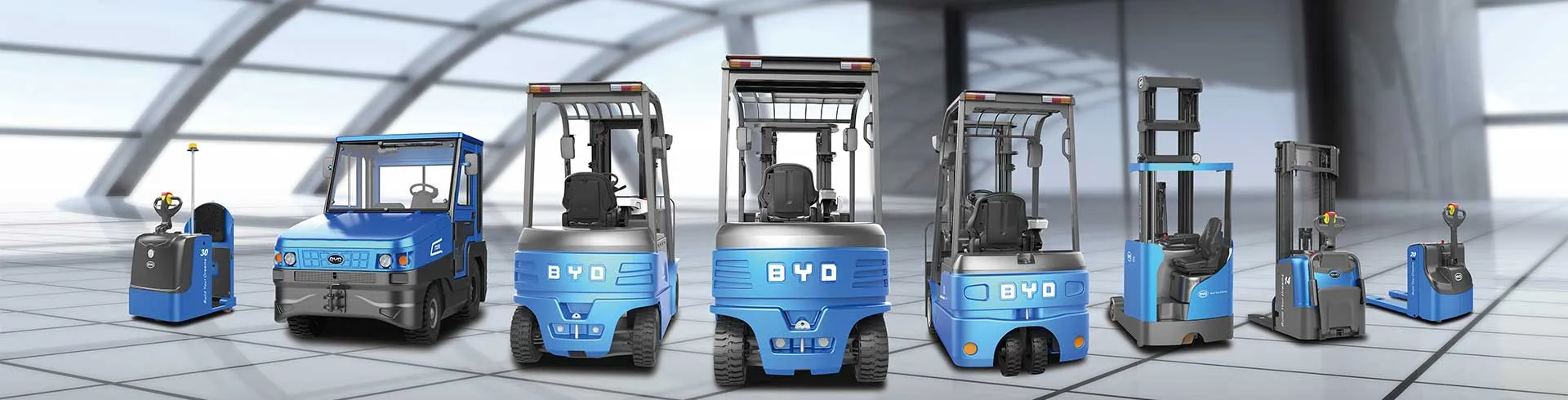
With the acceleration of the intelligent transformation of the logistics industry, electric forklifts have become the mainstream equipment for warehousing and handling due to their advantages of green environmental protection and low noise. Among them, the application scenarios of lithium-ion forklifts continue to expand due to the characteristics of stable battery life and convenient maintenance. However, when choosing lithium-ion forklifts, enterprises often face the decision-making problem of leasing and direct purchase. The cost difference between the two is not fixed, and it needs to be comprehensively judged in combination with the specific operating conditions.
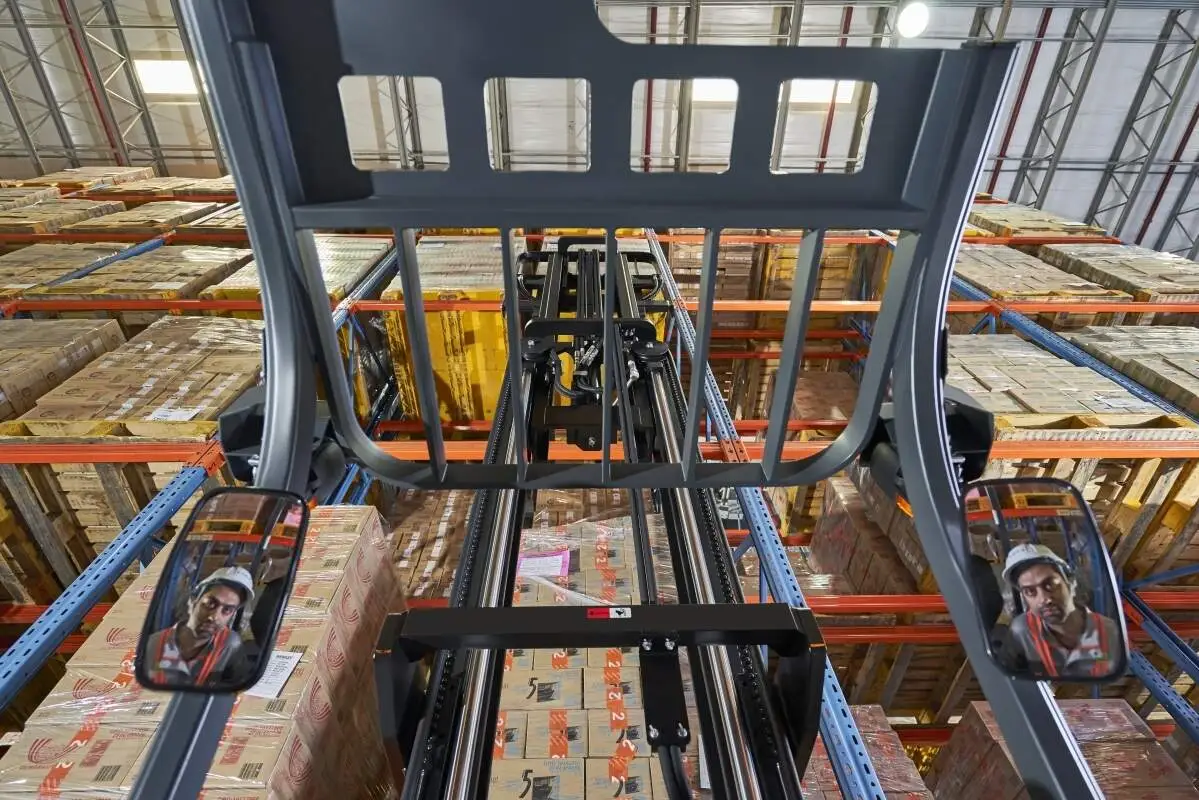
In the short-term use scenario, the leasing model is more flexible. If the enterprise only needs temporary or short-term use (such as the project cycle is less than 1 year and the monthly operation time is less than 50 hours), the leasing does not need to bear the high capital investment of the initial purchase, avoiding the depreciation and waste caused by the idle equipment. The leasing service usually includes basic maintenance and insurance, which can reduce the downtime cost caused by equipment failure for small enterprises, especially suitable for enterprises that lack professional technical teams. For example, an e-commerce company temporarily leases a forklift during the promotion season, and controls the single operation cost at a low level through the leasing model, avoiding the financial pressure of holding equipment for a long time.
When used stably for a long time, the economy of purchasing a lithium-ion forklift gradually becomes apparent. If the annual operating time of the enterprise exceeds 2,000 hours, the depreciation cost of the equipment can be effectively allocated through high-frequency use, and the unit operating cost of the purchase mode is often lower than that of the lease. In long-term use, the battery life (usually 3-5 years) and maintenance costs of the lithium-ion forklift also need to be taken into account: under the purchase mode, the enterprise can independently plan the battery replacement cycle to reduce the frequent maintenance expenses caused by the aging of the equipment; while the rental mode may not be fully adapted to the customized operation needs of the enterprise due to the limitation of the equipment model of the service provider, which indirectly affects the operating efficiency. For example, a manufacturing enterprise uses forklifts for a long time, and the single operation cost is reduced by about 20% by purchasing equipment,
The cost differences between different working conditions are also reflected in the details of the conditions of use. In terms of frequency of use, high-frequency operations (more than 10 hours of daily use) will accelerate the depreciation of equipment, and the average monthly rent of the lease may be higher than the annual depreciation cost of the purchase. In terms of liquidity, for start-ups or small and medium-sized enterprises with tight cash flow, leasing can reduce the occupation of fixed assets and invest funds in the core business. In terms of site adaptability, companies operating on fixed sites can optimize equipment parameters by purchasing forklifts, such as customizing fork lengths and installing special accessories, while leasing equipment may not be able to meet such needs.
Overall, companies choosing to lease or purchase need to focus on actual needs: when short-term temporary use, limited funds or lack of maintenance capacity, leasing is better; when long-term stable operation, high-frequency use or Facility Management ability, the long-term benefits of purchase are more significant. No matter which method is chosen, it is necessary to prioritize the evaluation of equipment usage frequency, operation scene complexity and battery maintenance cycle, and achieve a balance between cost and efficiency through scientific calculation.


