
 简体中文
简体中文 Deutsch
 日本語
日本語 한국어
한국어 Tiếng Việt
 Русский
 ไทย
ไทย Bahasa Indonesia
 Bahasa Melayu
 Filipino
 لالعربية
 Français
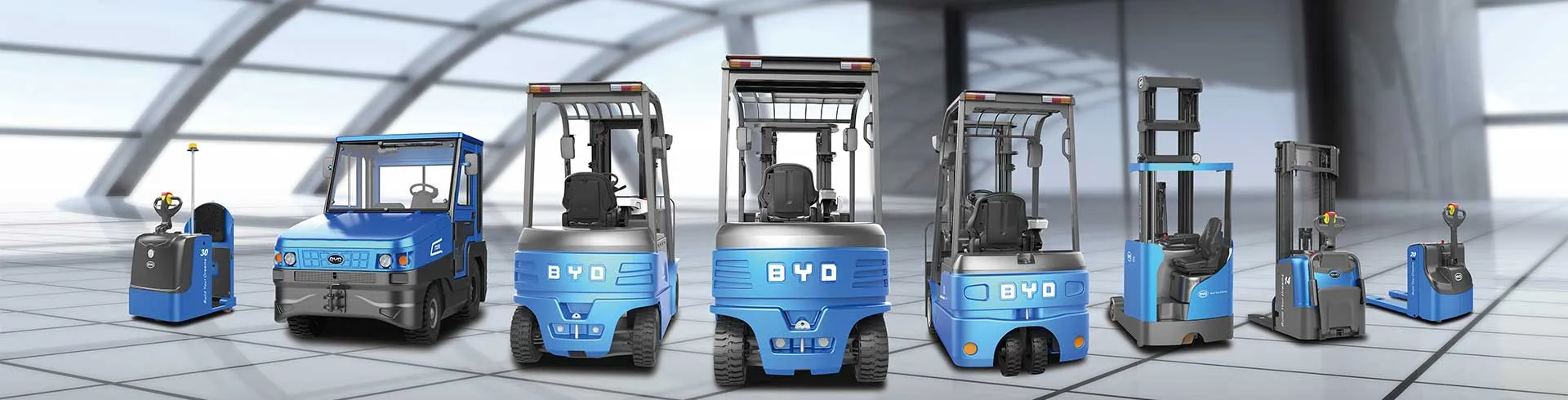
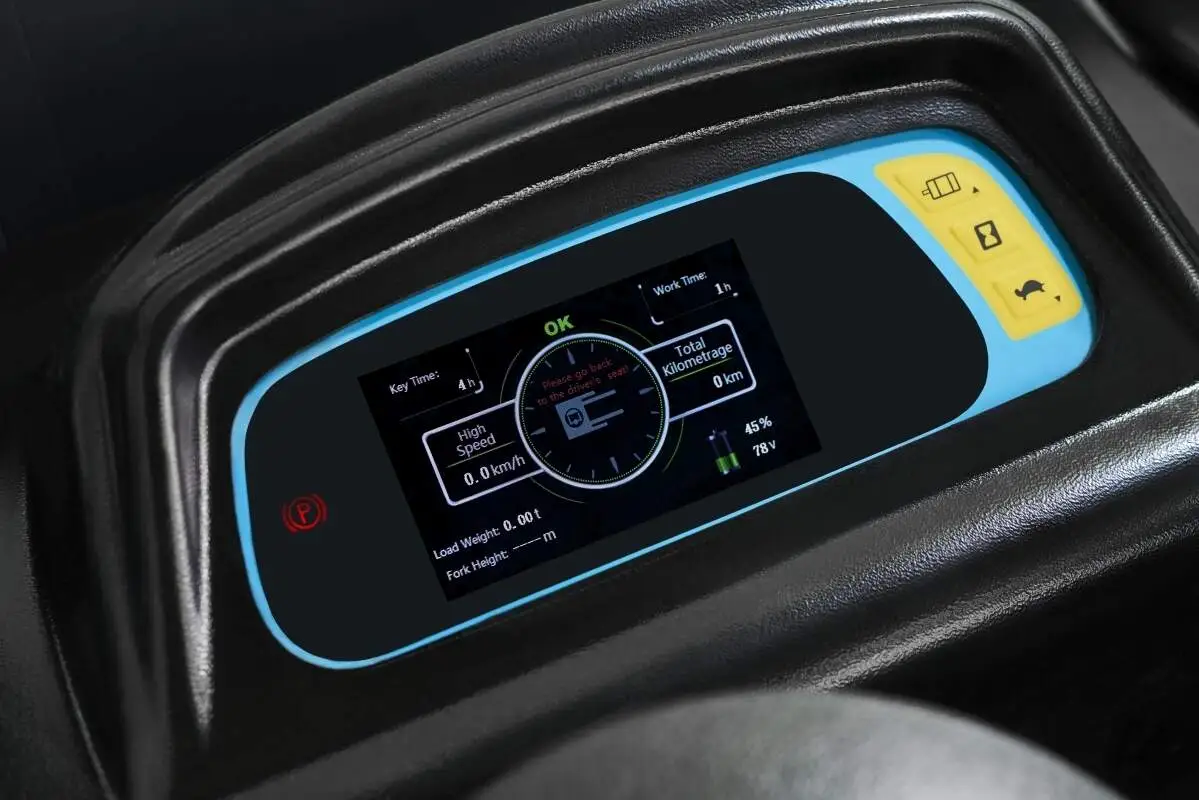
The material handling in the food workshop has dual attributes, not only to ensure the handling efficiency, but also to strictly comply with the hygiene standards of food production to avoid the risk of contamination. For food production enterprises, choosing suitable handling tools is a key link to improve the stability of production and operation.
The core needs of food workshop handling: in the food production process, the handling of raw materials, work in progress and finished products needs to prevent foreign body pollution, the workshop channel is usually narrow due to the production layout, and the operation frequency is high, and the environmental protection, flexibility and cleaning convenience of handling tools are outstanding.
The adaptation advantages of lithium-ion forklifts: Compared with traditional power forklifts, lithium-ion forklifts have no exhaust emissions, do not produce soot or exhaust gas pollution to food and workshop environment; use electric drive, low operating noise, adapt to all-weather silent operation requirements in the workshop, no need to change fuel or oil frequently, and lower maintenance costs; compact structure, small turning radius, more suitable for narrow passages in food workshops, improve steering and operation flexibility.
Key points to be concerned about in the selection of models: selecting a lithium-ion forklift suitable for the food workshop, focusing on the hygiene compliance of the food contact parts to ensure compliance with the relevant requirements of food contact materials; matching reasonable load and lifting parameters according to the weight, working distance and shelf height of the materials handled in the workshop; at the same time, it is necessary to combine the workshop work schedule and choose the appropriate charging method to ensure the continuity of production and avoid affecting the operation efficiency due to charging delays.


