
 简体中文
简体中文 Deutsch
 日本語
日本語 한국어
한국어 Tiếng Việt
 Русский
 ไทย
ไทย Bahasa Indonesia
 Bahasa Melayu
 Filipino
 لالعربية
 Français
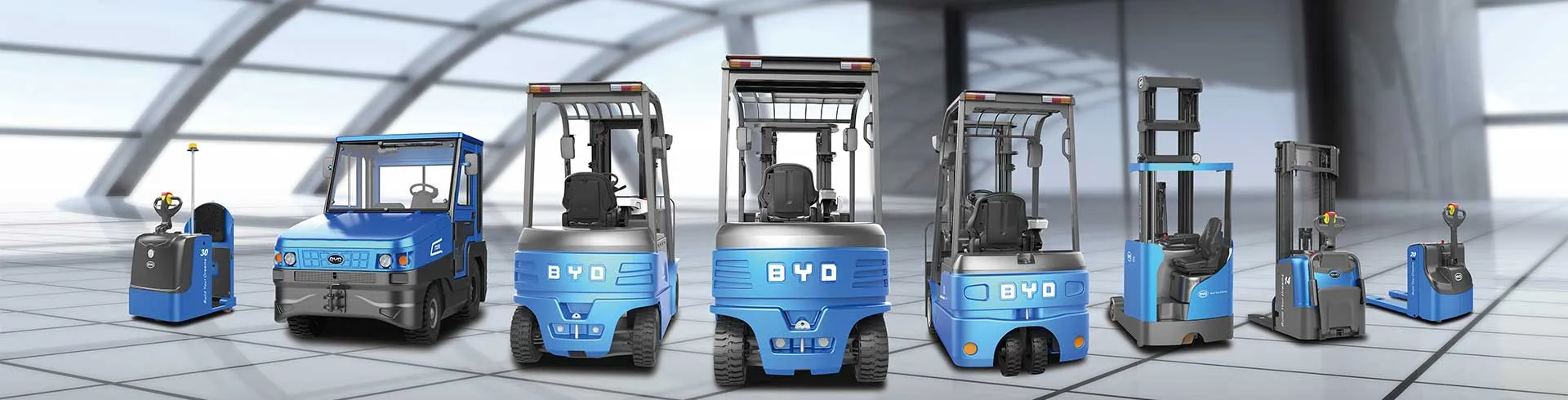
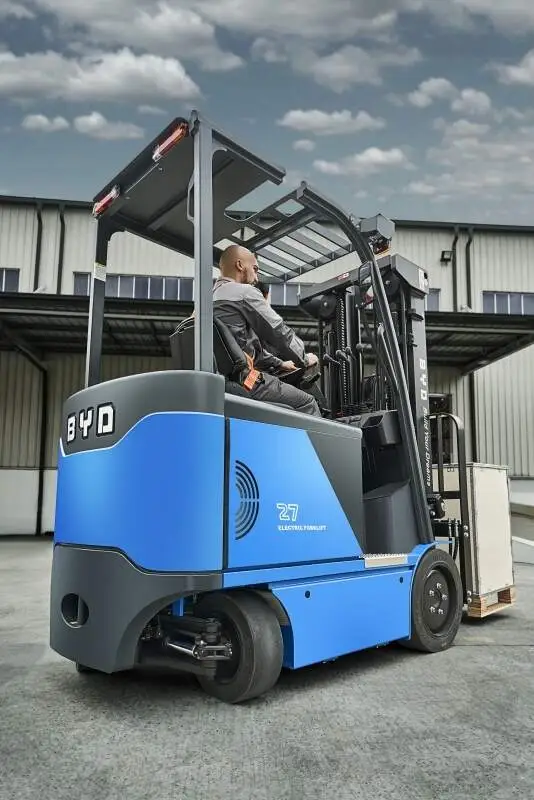
Narrow aisle storage is an important way to increase storage capacity, and its core challenge lies in the adaptability of equipment operations in limited spaces.
Spatial adaptation pain points of narrow channel warehousing
Turning radius is the core indicator of adaptation
In the narrow storage channel, the traditional handling equipment needs to reserve a wider working space due to the large turning radius, resulting in a reduction in the available storage space and directly restricting the improvement of storage capacity. The turning radius design of the electric forklift adapted to the narrow channel has been specially optimized by the project, which can complete the steering and forking of goods in the narrow space without greatly widening the channel width and effectively break through the space limit.
Turning radius adaptation value of electric forklift
The improvement effect of storage space utilization
By optimizing the steering system structure, this type of electric forklift can be adapted to a narrower storage channel, reducing the additional space required for steering on the basis of the original channel, increasing the storage space by nearly 15%, directly increasing the storage capacity. At the same time, the compact turning radius design reduces the space occupation during steering, avoids the collision of goods in the channel, and reduces the working loss.
Optimization of job efficiency
Adapted to narrow aisles, electric forklifts offer more flexible steering, eliminating the need to frequently adjust equipment positions, shortening the time for cargo forking and transshipment, and improving the overall efficiency of warehousing operations. They are especially suitable for high-frequency and high-frequency cargo handling scenarios.


