
 简体中文
简体中文 Deutsch
 日本語
日本語 한국어
한국어 Tiếng Việt
 Русский
 ไทย
ไทย Bahasa Indonesia
 Bahasa Melayu
 Filipino
 لالعربية
 Français
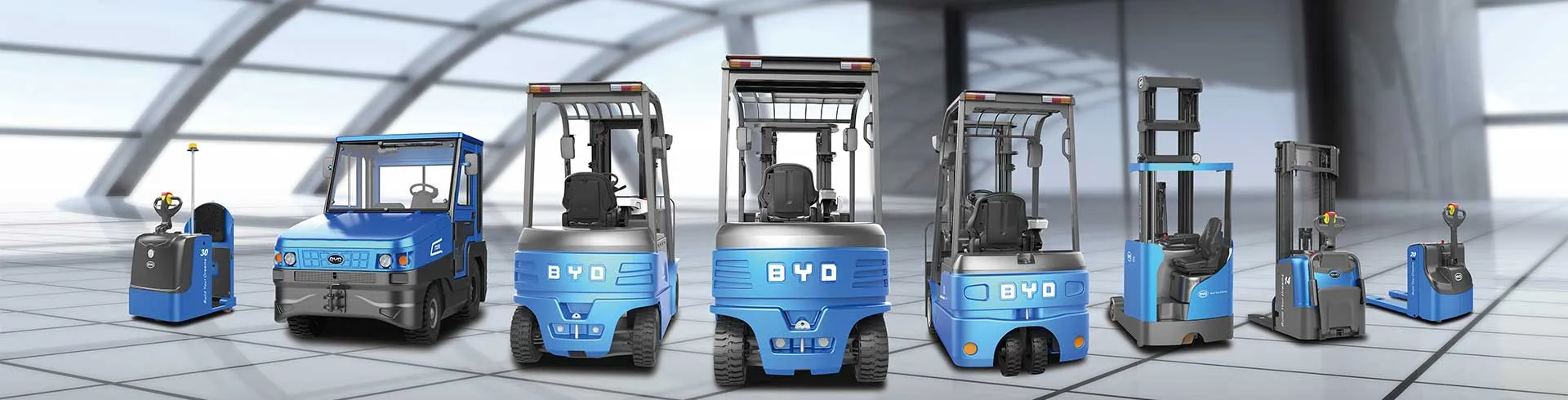
Core requirements for forklift trucks in indoor storage and handling
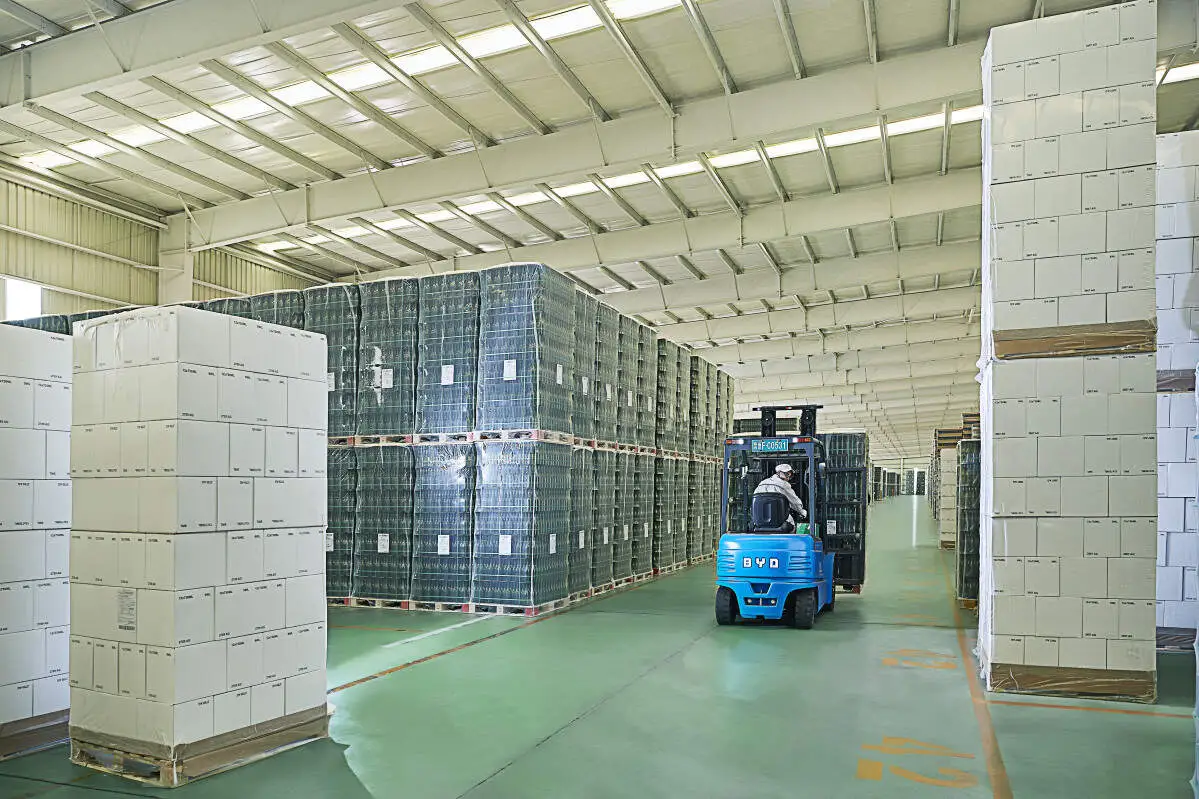
The indoor storage space is relatively narrow, the density of goods is high, and there are high requirements for the flexibility, environmental protection, and operation noise of handling equipment. Electric forklifts have become the mainstream choice for indoor storage and handling due to their lack of exhaust emissions, low noise, and flexible operation.
Reference for selection of commonly used electric forklift models
Among them, the ECB16D electric forklift is one of the commonly used models for indoor storage and handling. Its tonnage is suitable for the pallet handling needs of most small and medium-sized warehouses. The compact body can be adapted to indoor narrow channel operations, with low energy consumption and convenient maintenance. It can meet the daily needs of indoor cargo turnover, stacking, and other handling operations. During the operation, the noise is low, and it will not interfere with the storage environment and surrounding personnel. It meets the environmental requirements of indoor operations.
Key points to pay attention to when selecting a model
When selecting this type of forklift, it is necessary to consider factors such as the width of the storage channel, the single weight of the goods handled, and the frequency of operations in combination to avoid affecting the efficiency of warehousing operations due to improper selection. This model can be used as a reference choice for most indoor warehousing, with strong adaptability and can cover most of the conventional handling scenarios of indoor warehousing.


