
 简体中文
简体中文 Deutsch
 日本語
日本語 한국어
한국어 Tiếng Việt
 Русский
 ไทย
ไทย Bahasa Indonesia
 Bahasa Melayu
 Filipino
 لالعربية
 Français
The cost pain points of enterprise heavy-duty handling
Traditional heavy-duty handling equipment relies more on fuel power. Under continuous high-intensity operation scenarios, energy consumption is large, and long-term accumulation is a large expense. At the same time, the exhaust emissions of fuel equipment may also lead to additional costs in environmental compliance. In addition, the core components of traditional equipment are prone to wear and tear due to heavy-duty operations, and daily maintenance requires frequent replacement of parts, which not only generates material costs, but also affects the operation schedule due to downtime maintenance, indirectly increasing production losses.
The core idea of heavy load handling and cost reduction
Optimizing the energy structure of equipment is a key part of reducing costs. Switching to electric equipment can reduce energy expenditure from the source, while meeting environmental requirements and reducing compliance costs. Secondly, reducing maintenance costs throughout the equipment life cycle, choosing equipment with strong durability and simple maintenance process can reduce maintenance frequency and material consumption, while improving the effective operation time of equipment.
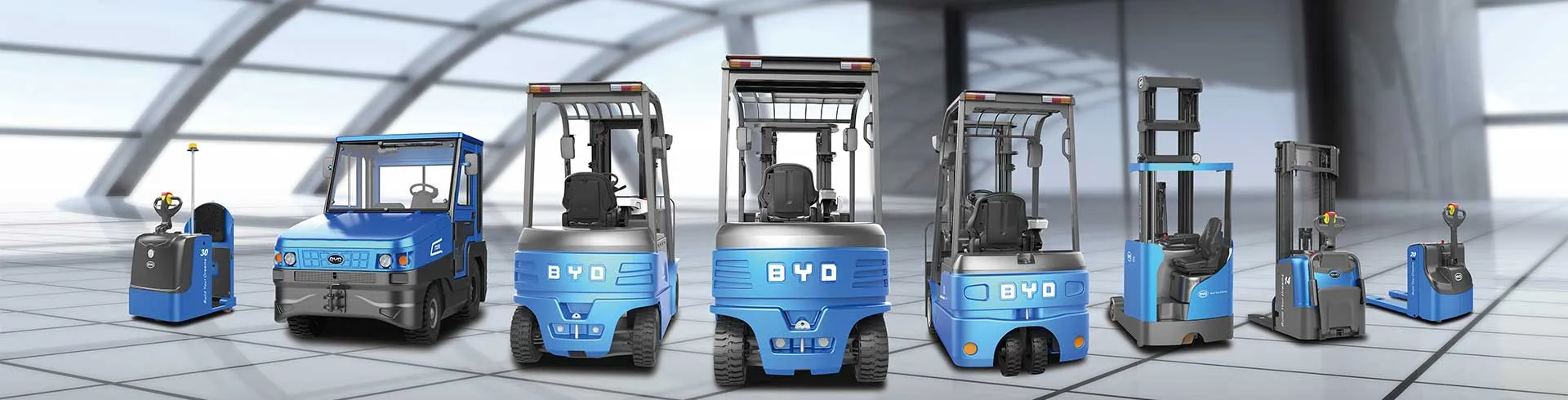
Application Practice of Cost Reduction of a CPD Series Electric Forklift
The direct cost reduction brought about by low energy consumption
This series of electric forklifts is adapted to the needs of heavy-duty operations and adopts a high-efficiency power system. When carrying rated heavy-duty goods, the energy consumption is significantly reduced compared with traditional fuel equipment. And the equipment supports fast charging mode, which can quickly replenish energy during the operation gap, reduce downtime waiting due to insufficient battery life, ensure operation continuity, and further reduce time costs.
Simplify maintenance processes and reduce hidden expenses
The design of the core components of this series of electric forklifts focuses on durability and reduces the frequency of use of wearing parts. Routine maintenance only requires routine inspections of battery status, tires and braking systems, and no complicated engine disassembly and maintenance. Not only does it reduce the labor cost of professional maintenance, but also shortens the maintenance time and reduces the non-working time of the equipment.
Adapt to overload scenarios to improve operation efficiency
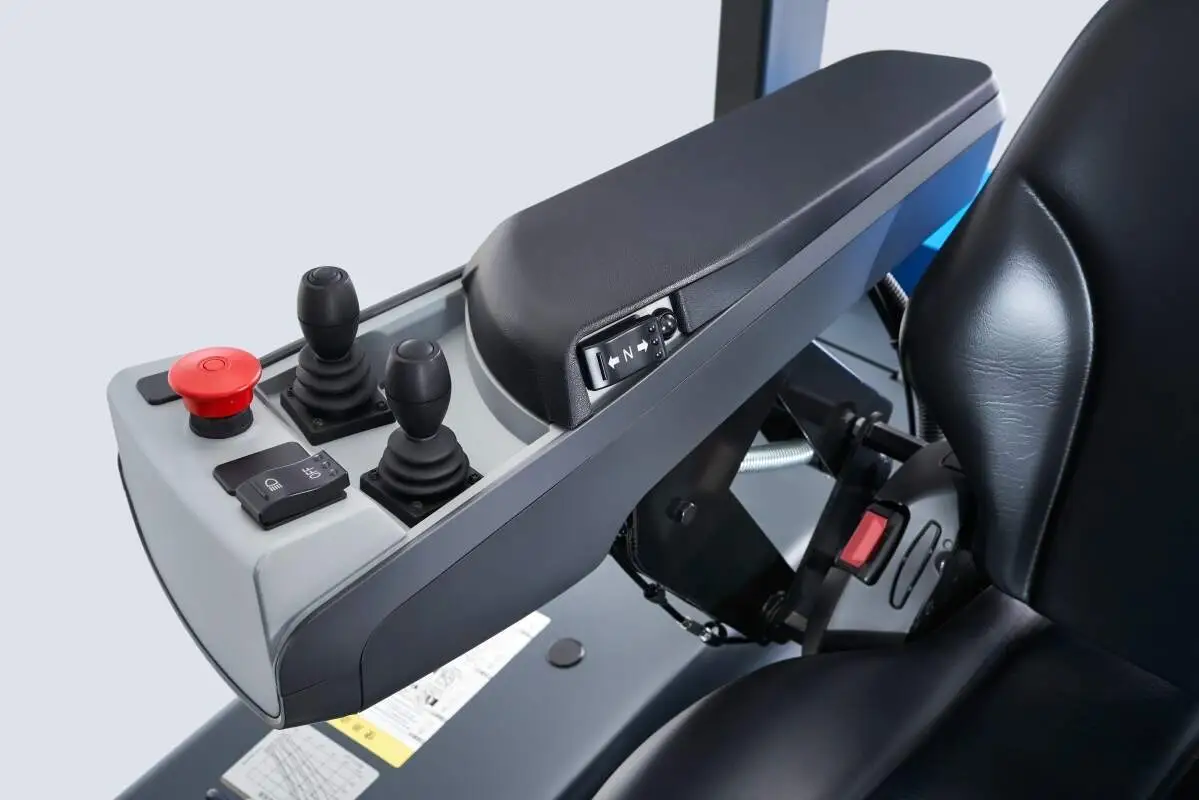
For heavy-duty handling scenarios, this series of equipment has stable bearing capacity and operating performance, which is not prone to shaking or failure when handling heavy goods, reducing the risk of damage to the goods and reducing the economic losses caused by damage to the goods. At the same time, the ease of operation of the equipment can also improve the work efficiency of the operators, complete more handling tasks in the same time, and indirectly improve the production efficiency of the enterprise.


