
 简体中文
简体中文 Deutsch
 日本語
日本語 한국어
한국어 Tiếng Việt
 Русский
 ไทย
ไทย Bahasa Indonesia
 Bahasa Melayu
 Filipino
 لالعربية
 Français
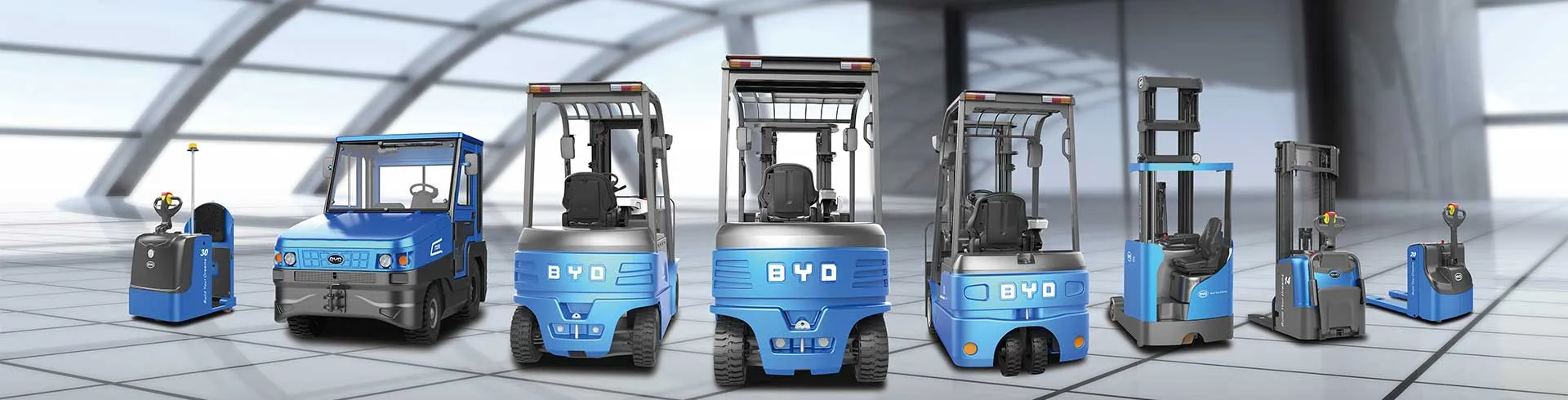
With the development of logistics and manufacturing, heavy-duty electric forklifts have gradually become popular in enterprise selection due to their environmentally friendly and efficient characteristics. This paper takes a 12-ton electric forklift as an example to analyze its annual operating cost structure and introduce its multi-scenario operation adaptation capabilities, providing reference for enterprises.
Analysis of annual operating cost composition
Energy consumption cost: 12-ton electric forklifts are mainly driven by electric energy. They usually operate for about 2,000 hours a year and consume about 30 kWh of electricity per hour. Combined with the average electricity price of industrial electricity, the annual energy consumption cost is about 6,000 yuan. Compared with traditional fuel forklifts, the cost of electricity is lower, and it is not affected by fuel price fluctuations, resulting in stronger cost stability.
Maintenance cost: Electric forklifts do not need to replace oil, filter elements and other common parts of fuel trucks, and maintenance focuses on batteries, motors and hydraulic systems. The normal service life of the battery can reach 2-3 years, and the average annual cost is about 1,500 yuan; the motor and hydraulic system structure is stable, the maintenance cycle is long, and the annual maintenance cost is about 1,000 yuan. The overall annual maintenance cost is much lower than that of fuel forklifts.
Other fixed costs: including forklift insurance, annual inspection and daily consumables, etc., such costs are about 1,000 yuan per year. Overall, the annual operating cost of a 12-ton electric forklift is about 8,500-9,500 yuan.
Advantages of multi-scenario job adaptation
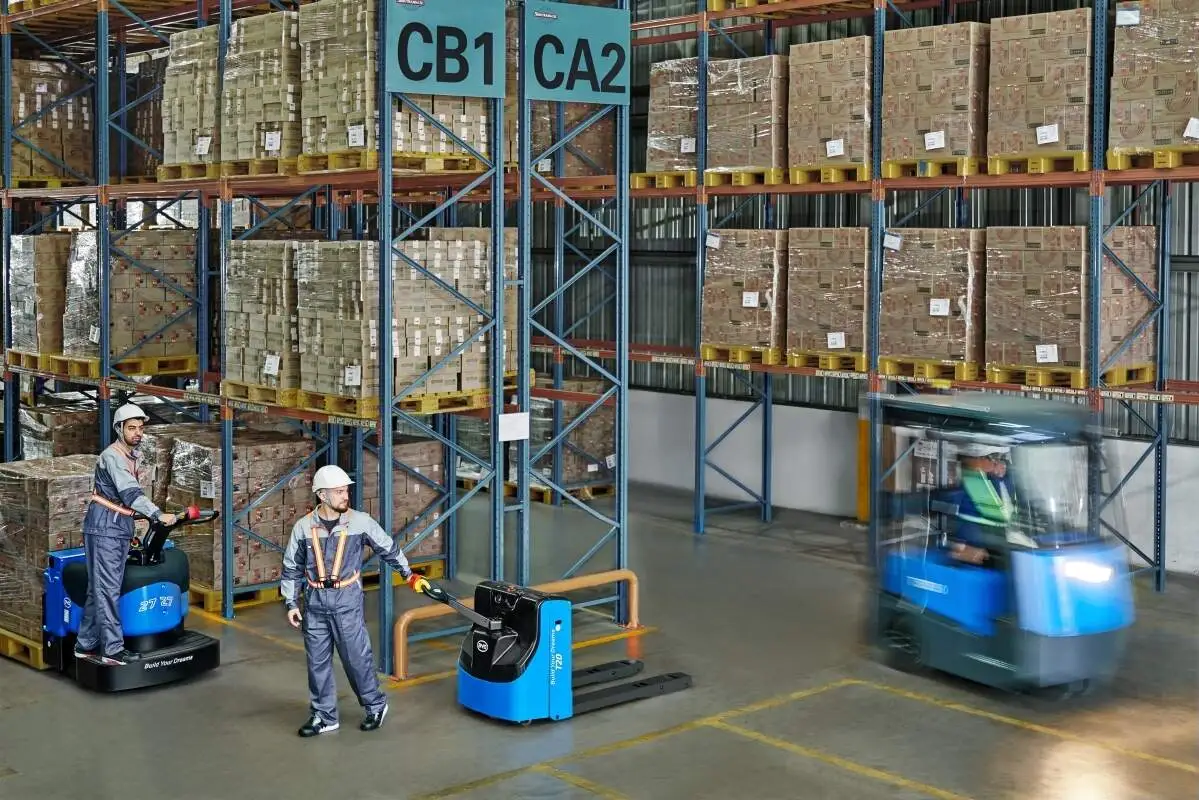
Warehousing and logistics scenarios: In a closed storage environment, electric forklifts have zero exhaust emissions, do not cause indoor air pollution, and operate with low noise, creating a more comfortable working environment. The 12-ton load capacity can meet the handling needs of large pallets and finished goods, and is suitable for multiple links such as cargo sorting and cross-regional transshipment in warehouses.
Port freight scenario: The demand for cargo transshipment in the port area is intensive, and the load capacity of the 12-ton electric forklift can be adapted to small and medium-sized container loading and unloading, short-distance transshipment of bulk goods, etc. It supports fast charging technology, which can replenish power in a short time to meet the needs of high-intensity continuous operations in the port, and the environmental protection characteristics meet the development requirements of green operations in the port.
Manufacturing plant scene: The raw materials and work in progress in the manufacturing plant are mostly heavy-duty needs, and the 12-ton electric forklift can easily handle the handling tasks of various heavy-duty goods. Its flexible steering system can adapt to the complex road surface and narrow passages in the factory area, and the stable power output can ensure long-term operation efficiency. It is suitable for multiple operation scenarios such as raw material supply of the production line in the factory area and the docking of the warehoused finished products.


