
 简体中文
简体中文 Deutsch
 日本語
日本語 한국어
한국어 Tiếng Việt
 Русский
 ไทย
ไทย Bahasa Indonesia
 Bahasa Melayu
 Filipino
 لالعربية
 Français
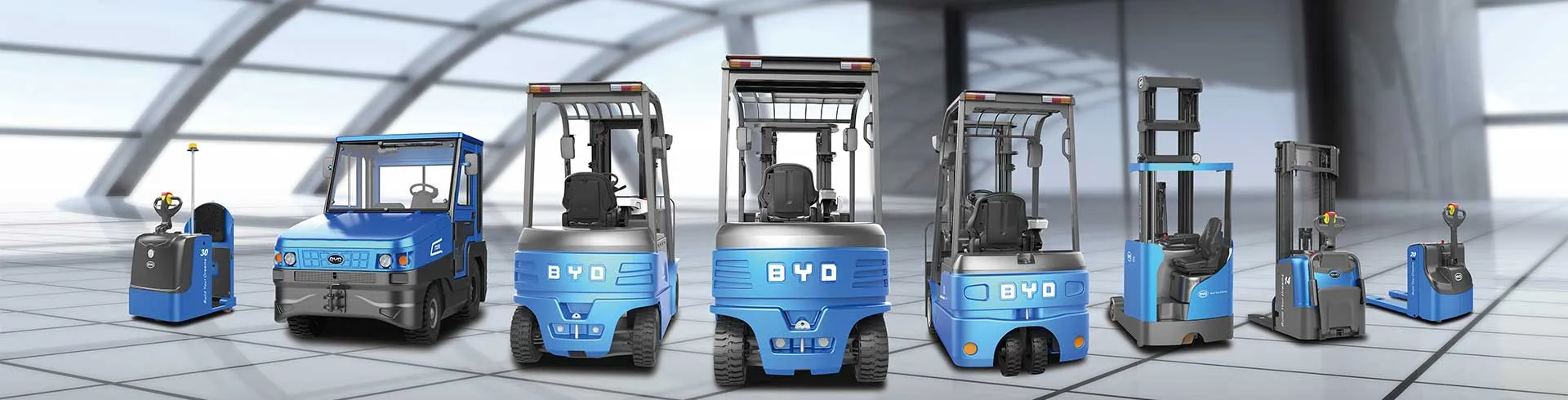
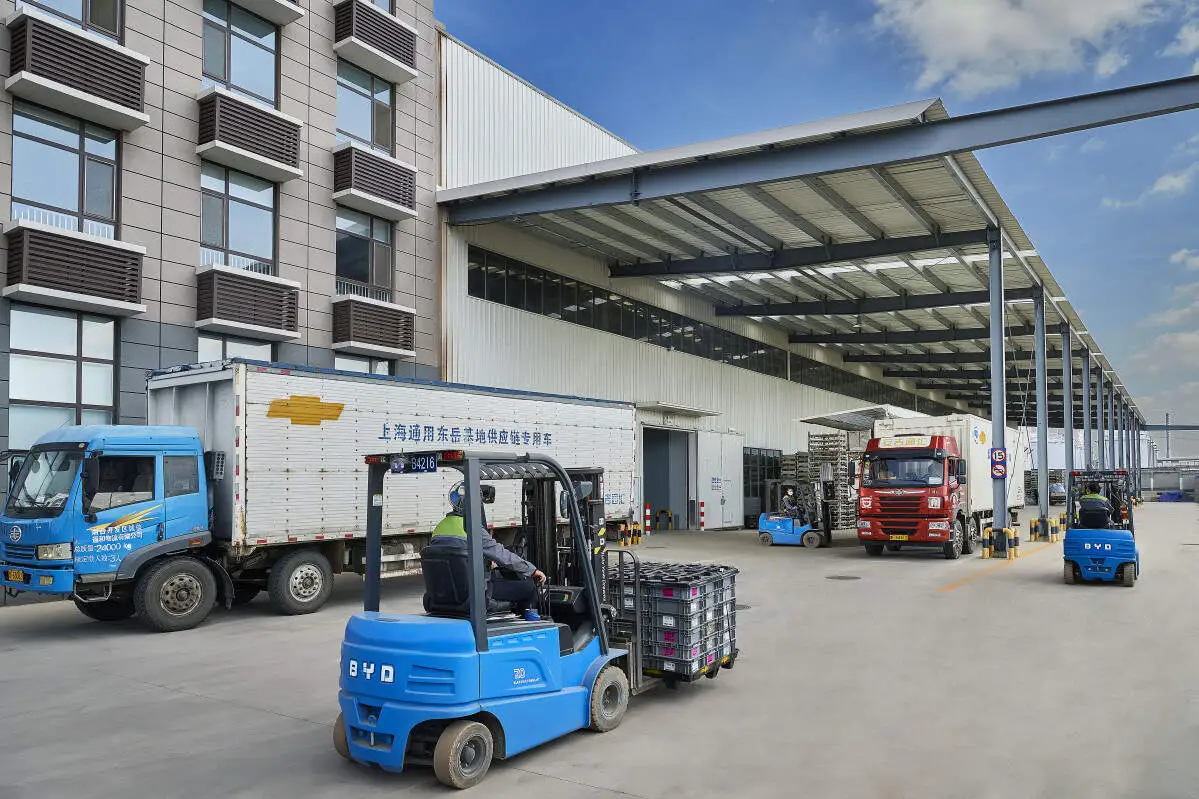
The difference in core load between 8-ton and 2-ton electric forklifts
The rated load is the core performance parameter of an electric forklift. The rated lifting capacity of a 1.8-ton electric forklift is 1800kg, and that of a 2-ton electric forklift is 2000kg. The difference in the load limit between the two directly affects the operation bearing capacity. Special attention should be paid to the fact that the rated load is not a fixed value, and it needs to be adjusted and adapted in combination with the lifting height of the goods and the structure of the gantry. It is not simply the higher the number, the wider the adaptation scene. It must match the actual operation of the goods weight, stacking height and operation requirements.
Job Scenario and Spatial Adaptation Differences
Narrow space adaptation: The 1.8-ton electric forklift body design is more compact, and the turning radius is generally 10% -15% smaller than that of 2-ton models. It is very suitable for the operation of narrow passages and high-rise dense shelves in warehouses. It can flexibly shuttle through limited space and maximize the utilization of warehouse space. This kind of scene is more common in e-commerce warehousing and fast-moving consumer goods warehouses.
Heavy-duty scenario adaptation: 2-ton electric forklifts are more suitable for handling heavier cargoes, industrial parts, heavy-duty packaging goods, etc. During heavy-duty operations, the stability of their chassis structure is better, which can reduce shaking and safety hazards during operation, while reducing operation frequency and improving overall operation efficiency. They are suitable for manufacturing warehouses, heavy logistics centers, and other scenarios.
Selection core reference dimension
Load demand matching: In daily operations, if the weight of the goods is more than 1.5-1 tons, the 1.8-ton model is preferred to avoid long-term overload operation affecting the service life of the forklift; if the goods are often 1.8-2 tons, the 2-ton model is a more suitable choice, which can meet the heavy load demand and does not waste performance.
Site conditions: If the width of the warehouse channel is less than 2.5 meters, the compact fuselage of the 1.8-ton model is more maneuverable; if the channel is spacious and the heavy load demand is outstanding, the load advantage of the 2-ton model can be fully realized, and the adaptability is higher.
Battery life and efficiency adaptation: Both meet the industry's mainstream standards in terms of battery life, and the battery of the corresponding capacity can be selected according to the single-day operation time. There is no need to over-tear the battery life due to load differences. It needs to be adjusted in combination with the actual charging site conditions to ensure the continuity of operation.


