简体中文
简体中文 Deutsch
 日本語
日本語 한국어
한국어 Tiếng Việt
 Русский
 ไทย
ไทย Bahasa Indonesia
 Bahasa Melayu
 Filipino
 لالعربية
 Français

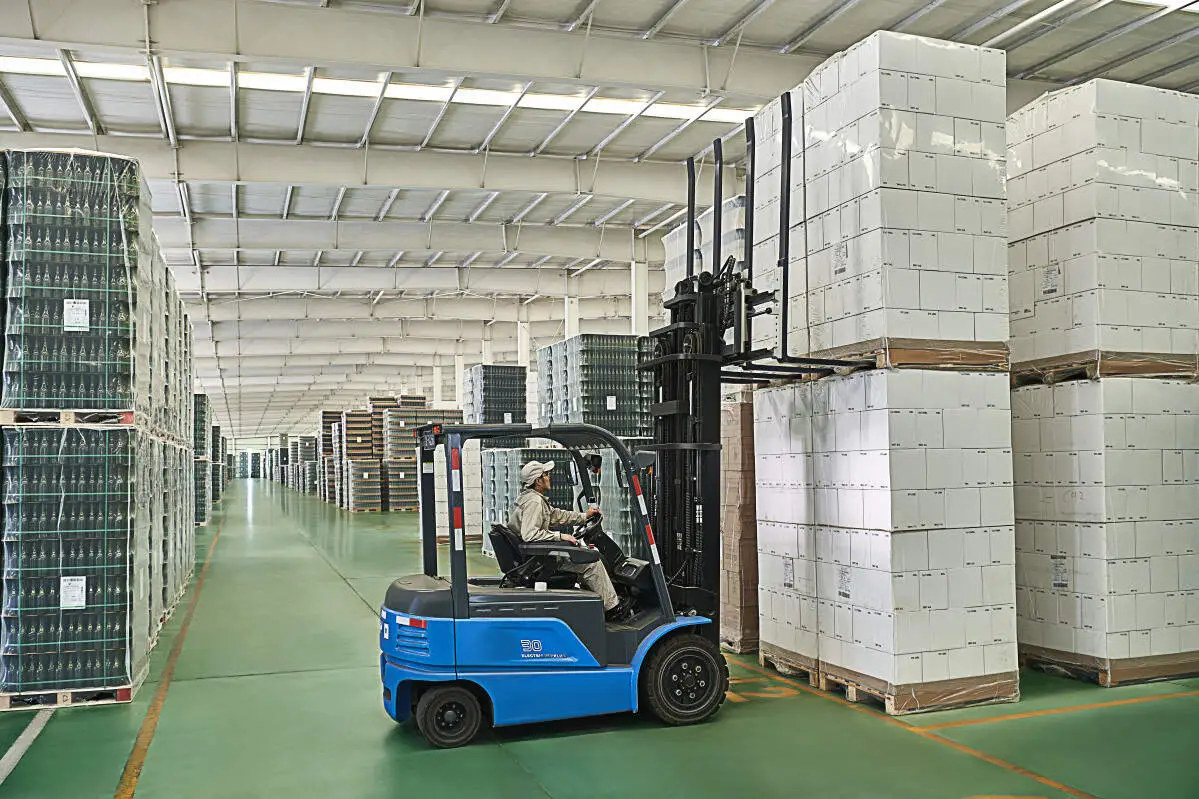
Battery system daily maintenance
Regularly check the battery status
Check the electrolyte level of the battery in time after daily operation to ensure that it is within the specified range. If the liquid level is too low, add distilled water. At the same time, check whether the battery terminals are loose and oxidized, clean and tighten in time to avoid failure caused by poor contact. When charging, choose a well-ventilated environment, follow the standard charging time, and avoid overcharging or overdischarging to prolong the service life of the battery.
Power and transmission system maintenance
Drive motor and reducer inspection
Daily attention should be paid to whether there is any abnormal sound or overheating when the drive motor is running, and regularly clean the motor heat sink to ensure good heat dissipation. At the same time, check whether the fixing bolts of the reducer are loose, and observe whether there is any oil leakage. If any abnormalities are found, they need to be investigated and dealt with in time.
Lubrication and maintenance of transmission parts
According to the cycle specified in the equipment user manual, replace the lubricating oil of the transmission system. Before replacement, thoroughly clean the old oil and select the appropriate type of lubricating oil. At the same time, check the seals of the transmission parts. If there is aging or damage, it needs to be replaced in time to prevent lubricating oil leakage from affecting the transmission performance.
Hydraulic system maintenance points
Hydraulic oil condition monitoring
Regularly check the oil level and oil quality of the hydraulic oil. If the oil level is lower than the standard value, the same type of hydraulic oil should be replenished in time. If the oil quality is turbid or black, it needs to be replaced in time. When replacing the hydraulic oil, it is necessary to clean the internal impurities of the hydraulic oil tank synchronously to ensure the cleanliness of the hydraulic system.
Hydraulic components sealing investigation
Pay attention to whether there is leakage in hydraulic pipelines and joints in daily operations. If hydraulic oil leakage is found, fasten the joints or replace the seals in time. At the same time check the running status of the hydraulic cylinder to ensure smooth lifting and tilting movements, no cards or abnormal sounds.
Daily operation precautions
Routine inspection before work
Before each operation, a comprehensive inspection of the forklift is required, including the sensitivity of the braking system, the flexibility of the steering system, and the effectiveness of the lighting and warning devices, to ensure that all components are in normal condition before starting the operation.
Standard operation in the job
During the operation, it is necessary to strictly follow the rated load standard to avoid overloading operations; keep a steady start and stop to avoid sudden braking and reduce the impact on components. At the same time, pay attention to avoid the forklift from driving on the uneven road for a long time to prevent damage to components.
After-work cleaning and parking
After the operation, it is necessary to clean up the debris and oil stains on the forklift in time to keep the body clean. Park the forklift in a dry and ventilated area, pull up the handbrake, turn off the power, and avoid long-term exposure to hot sun or rain and snow.