
 简体中文
简体中文 Deutsch
 日本語
日本語 한국어
한국어 Tiếng Việt
 Русский
 ไทย
ไทย Bahasa Indonesia
 Bahasa Melayu
 Filipino
 لالعربية
 Français
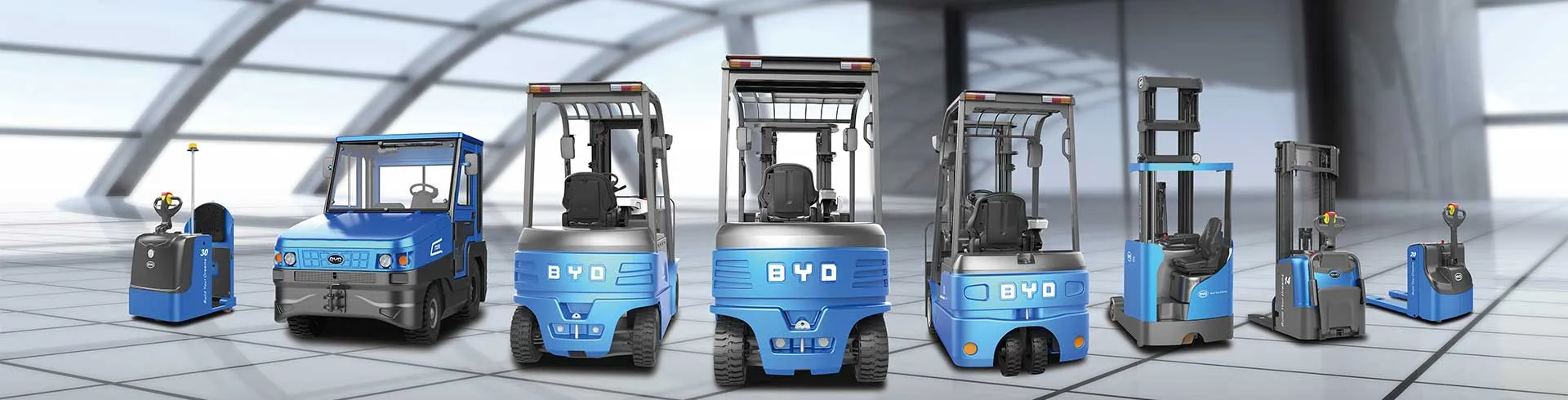
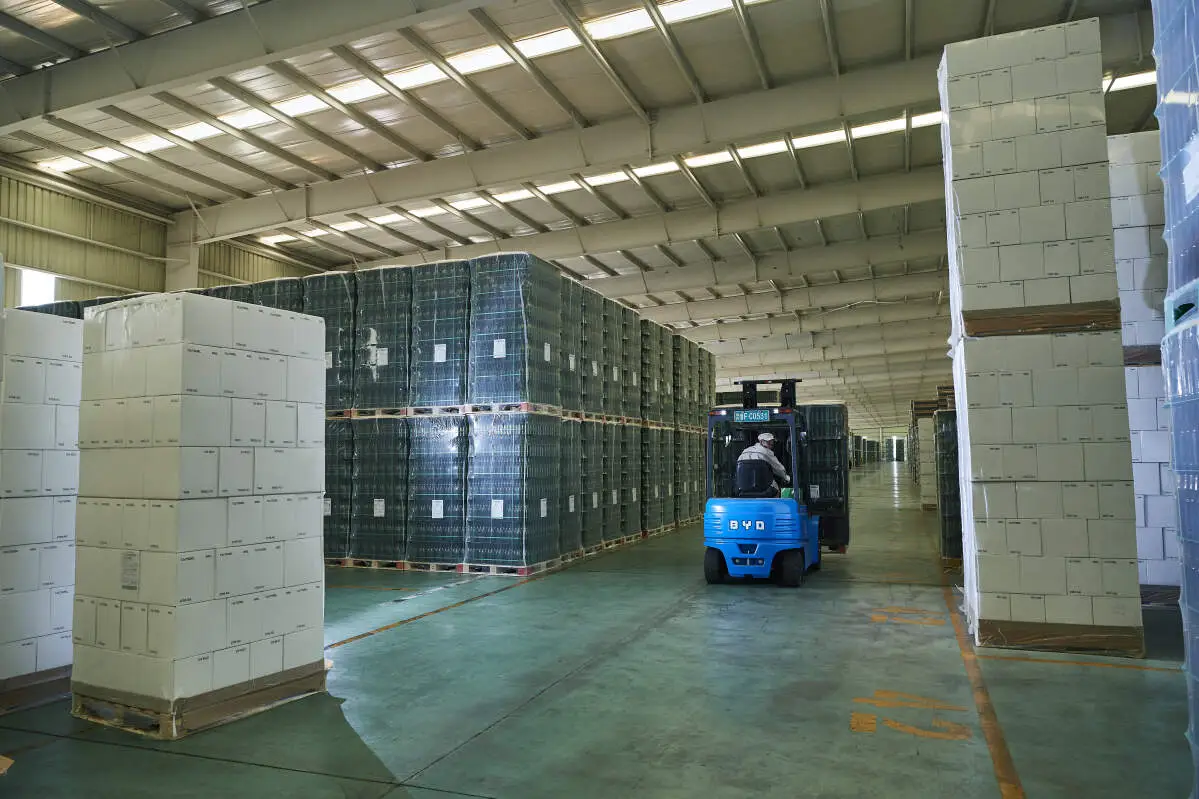
In the daily operation of the electric forklift AGV, the failure of the lift controller is a common problem affecting the operation efficiency. Mastering the standardized practical operation method can effectively shorten the downtime and ensure the stable operation of the equipment.
Before the actual operation, it is necessary to make preparations: first disconnect the total power supply of the equipment to ensure the safety of the maintenance process; prepare common maintenance tools such as multimeters, insulating tapes, and hexagonal wrenches, and consult the equipment operation manual to clarify the wiring logic and parameter range of the controller.
Common fault troubleshooting needs to be advanced step by step according to priority: if there is no response to the lifting action, first check the power supply line of the controller, use a multimeter to detect whether the input voltage meets the rated standard, and troubleshoot problems such as loose lines and joint oxidation; if the power supply is normal, further check the output signal of the controller to determine whether there is a signal transmission interruption. If the lifting action card and speed are abnormal, it is necessary to focus on the driving module inside the controller to observe whether the module has physical damage such as ablation and bulging, and at the same time detect whether the feedback signal of the sensor is accurate, and check the possibility of sensor position offset or damage.
The practical operation and repair process needs to follow the standard process: for the loose or oxidation problem of the line, re-tighten the joint and clean the oxide layer, and replace the damaged line if necessary; if the drive module is damaged, remove the controller shell according to the manual guidelines, accurately locate the faulty module, replace the new module of the same specification, re-comb the wiring and do a good job of insulation treatment; for the sensor failure, adjust the sensor installation position to the standard range, confirm that the feedback signal is normal, fix the sensor and practice running.
After the fault repair is completed, a comprehensive calibration is required: turn on the power supply, start the AGV lifting function, observe whether the lifting action is smooth and in place, and use the multimeter to check whether the voltage and signal output of each port of the controller are stable again; continuously carry out 3-5 lifting cycle tests to confirm that the fault is completely eliminated, record the maintenance process and parameters, and complete the inspection work before the equipment resumes work.
During daily maintenance, regularly clean the surface dust of the controller to avoid dust accumulation affecting heat dissipation; conduct a comprehensive inspection of the controller wiring and modules every quarter to check potential hidden dangers in advance, which can effectively reduce the probability of failure and prolong the service life of the equipment.


