
 简体中文
简体中文 Deutsch
 日本語
日本語 한국어
한국어 Tiếng Việt
 Русский
 ไทย
ไทย Bahasa Indonesia
 Bahasa Melayu
 Filipino
 لالعربية
 Français
Key points of adaptation to short-distance transshipment scenarios in the factory
Sort out the requirements of conventional transshipment scenarios
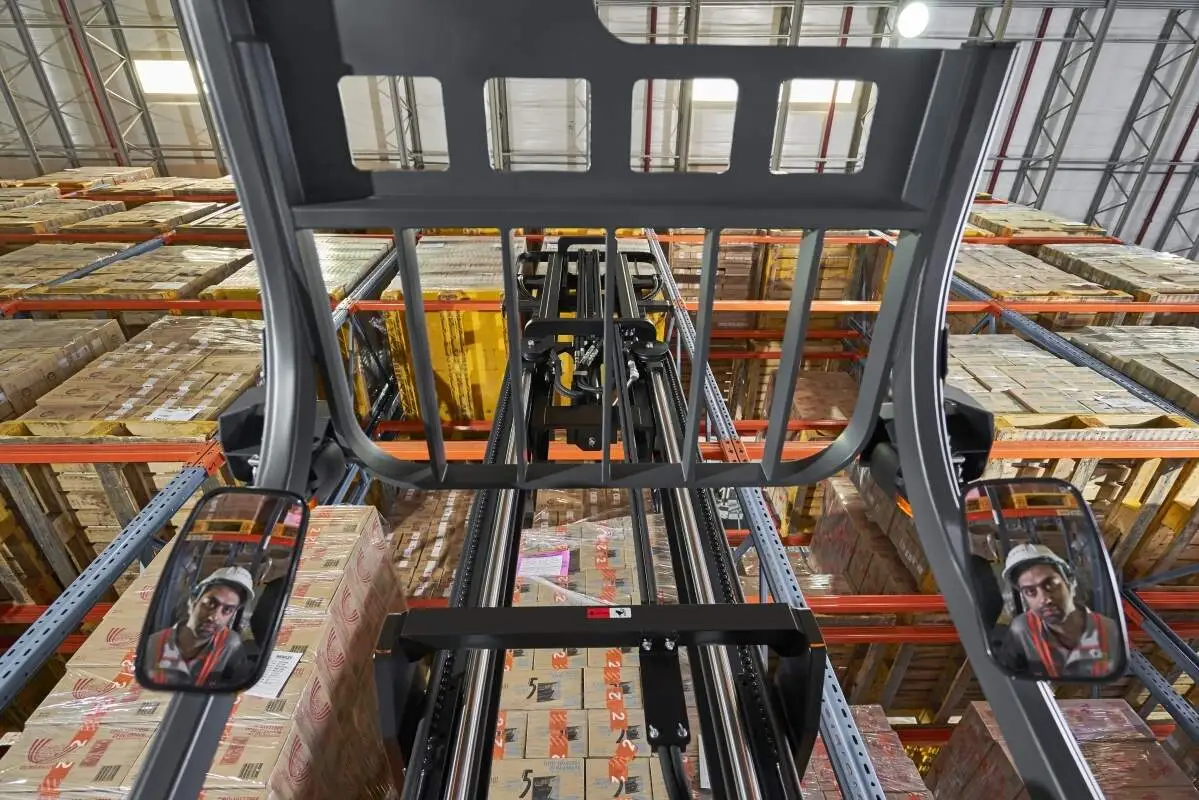
Most factory daily short-distance transshipment covers the workshop to the storage area, the yard to the loading and unloading platform and other scenarios. The single transshipment distance is usually in the range of 100 meters to kilometers, and there are clear requirements for the start-stop smoothness, site suitability and battery life of the handling equipment. Traditional handling methods are prone to problems such as loud noise, excessive emissions, and high operation and maintenance costs. It is difficult to adapt to the operation standards of modern green factories, and it is also difficult to meet the needs of multi-shift and high-frequency transshipment operations.
Scene Adaptation Logic of ECB27 Counterbalance Forklift
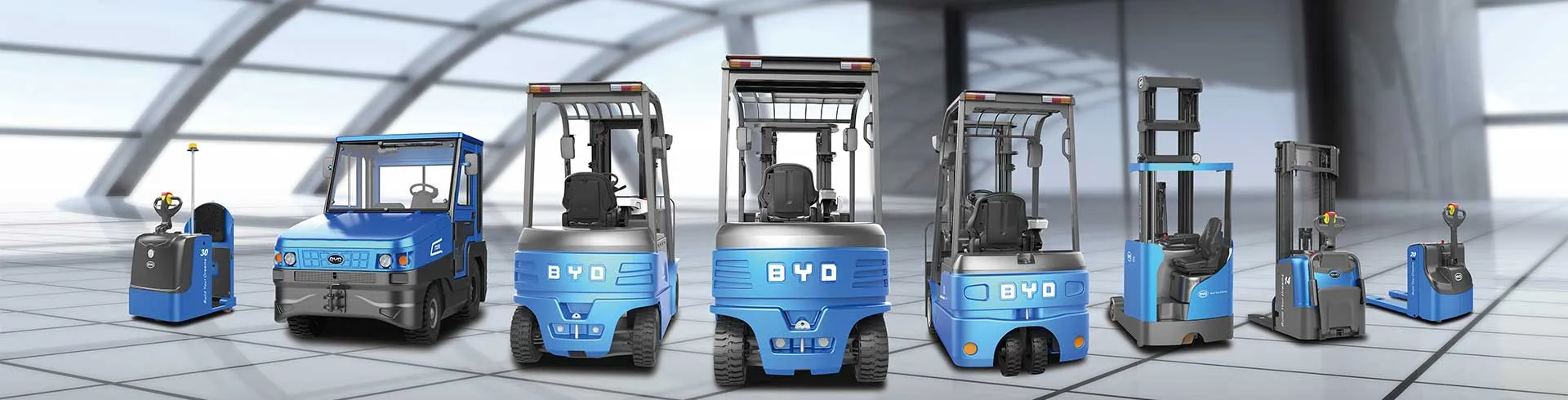
This electric counterbalance forklift has a compact body design and a small steering radius, allowing it to easily travel through storage channels and workshop working channels with limited shelf spacing. Its rated load-bearing capacity meets the transshipment needs of most conventional parts and pallets. The kinetic energy recovery system of the whole machine can extend the battery life under the operating scenarios of frequent starts and stops in the factory area, meeting the needs of conventional transshipment operations of more than 8 hours a day. The low-noise operation will not interfere with the normal production order in the workshop.
Practical operation guide for landing application
Daily work specification setting
During use, the exclusive traffic area of the equipment can be divided in advance according to the transshipment route planning of the factory area, and the corresponding charging point layout can be matched to complete the replenishment during the low peak period of the operation to ensure the continuous operation throughout the day. For transshipment goods of different weights, adjust the fork spacing and lifting height settings in advance, and synchronously provide basic operation training to the operators to avoid risks such as scratches and goods falling during the operation.
Operation and maintenance guarantee supporting plan
Daily only need to do regular inspections such as battery status inspection, tire wear inspection, and hydraulic system status confirmation, without the need for complex maintenance processes. The overall operation and maintenance is time-consuming and low-cost, which can fully adapt to the long-term use needs of high-frequency and short-distance transshipment in the factory area, and help the logistics operation efficiency of the factory to steadily improve.


