
 简体中文
简体中文 Deutsch
 日本語
日本語 한국어
한국어 Tiếng Việt
 Русский
 ไทย
ไทย Bahasa Indonesia
 Bahasa Melayu
 Filipino
 لالعربية
 Français
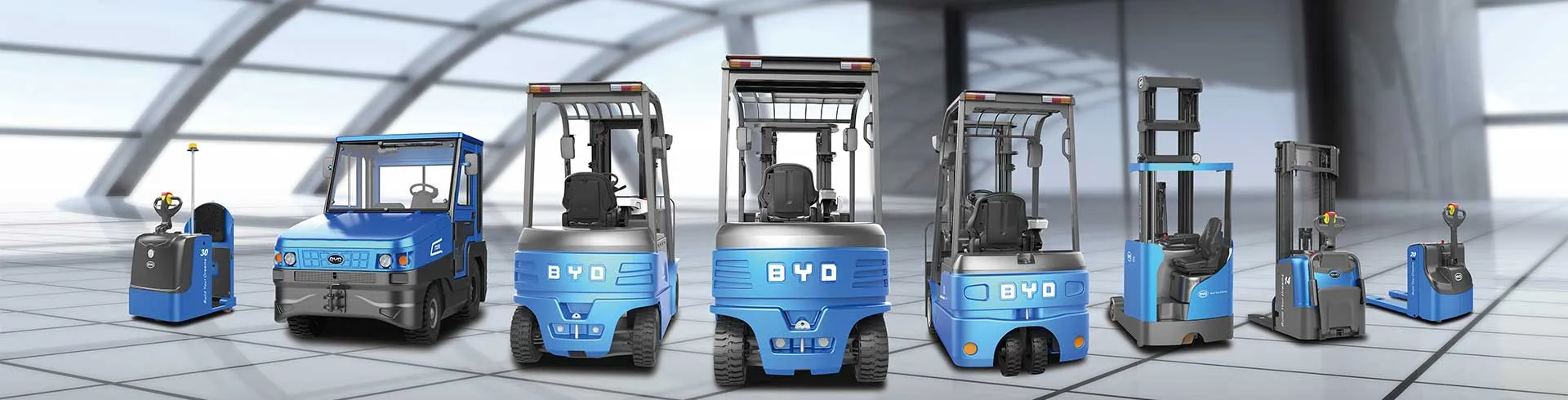
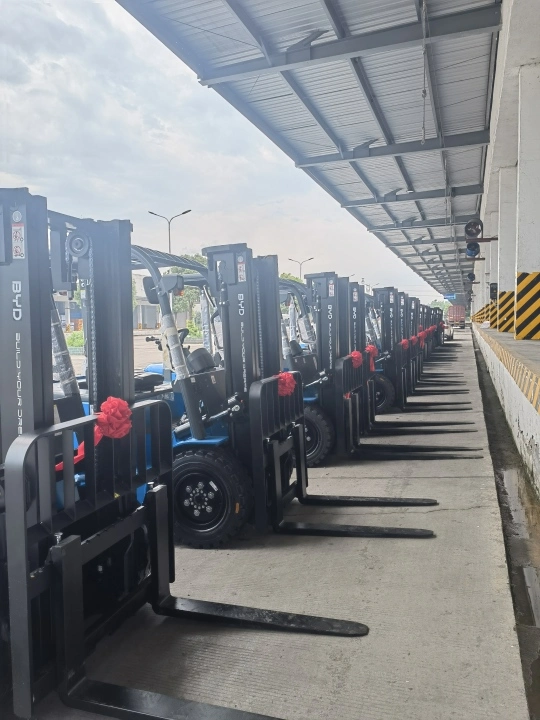
As the global export demand for lithium-ion forklifts continues to rise, 5-ton lithium-ion forklifts have become a popular choice in overseas markets due to their high efficiency, environmental protection and strong load capacity. For this forklift exported to the European Union, ECB50 certification is the core entry threshold, and a scientific and reasonable packing scheme can effectively reduce transportation costs and cargo damage risks.
ECB50 certification parameter description
ECB50 certification is a compliance certification standard launched by the European Union for industrial counterbalanced forklifts. It is suitable for lithium-ion forklift models with a rated load of 5 tons. The core performance parameters of this forklift need to strictly match the certification requirements: the rated load capacity needs to be stable to 5 tons, and the driving speed and climbing ability under standard operating conditions need to meet the performance indicators specified in the certification to ensure the stability of the equipment in different scenarios. In terms of power system, the energy density and charging and discharging efficiency of lithium batteries need to meet the European Union environmental protection and safety standards. The battery management system needs to have functions such as overcharge and discharge protection and real-time temperature monitoring to ensure the safety of the battery operation. In addition, the safety configuration of the forklift's braking system, rollover protection device, vision assistance device, etc., also needs to pass the special project inspection of ECB50 certification to ensure the safety of operators and equipment in an all-round way.
Export packing reference
Before exporting and packing, it is necessary to confirm the size parameters of the forklift, including length, width, height, etc., in order to select the suitable container type. Usually 40-foot high-cabinet containers are better suited to this forklift, and the forklift placement method can be adjusted according to actual transportation needs to improve the utilization rate of container space. When packing, special fixed tooling is required to firmly fix the forklift in the container to prevent displacement or collision damage during transportation; at the same time, the vulnerable parts of the forklift, such as headlights and control panels, are protected and packaged to avoid damage to components caused by bumps. In addition, it is necessary to control the battery power of the forklift within a reasonable range to avoid unnecessary power loss or safety hazards during transportation, and to prepare a complete packing list and ECB50 certification documents in advance for customs clearance inspection.


