
 简体中文
简体中文 Deutsch
 日本語
日本語 한국어
한국어 Tiếng Việt
 Русский
 ไทย
ไทย Bahasa Indonesia
 Bahasa Melayu
 Filipino
 لالعربية
 Français

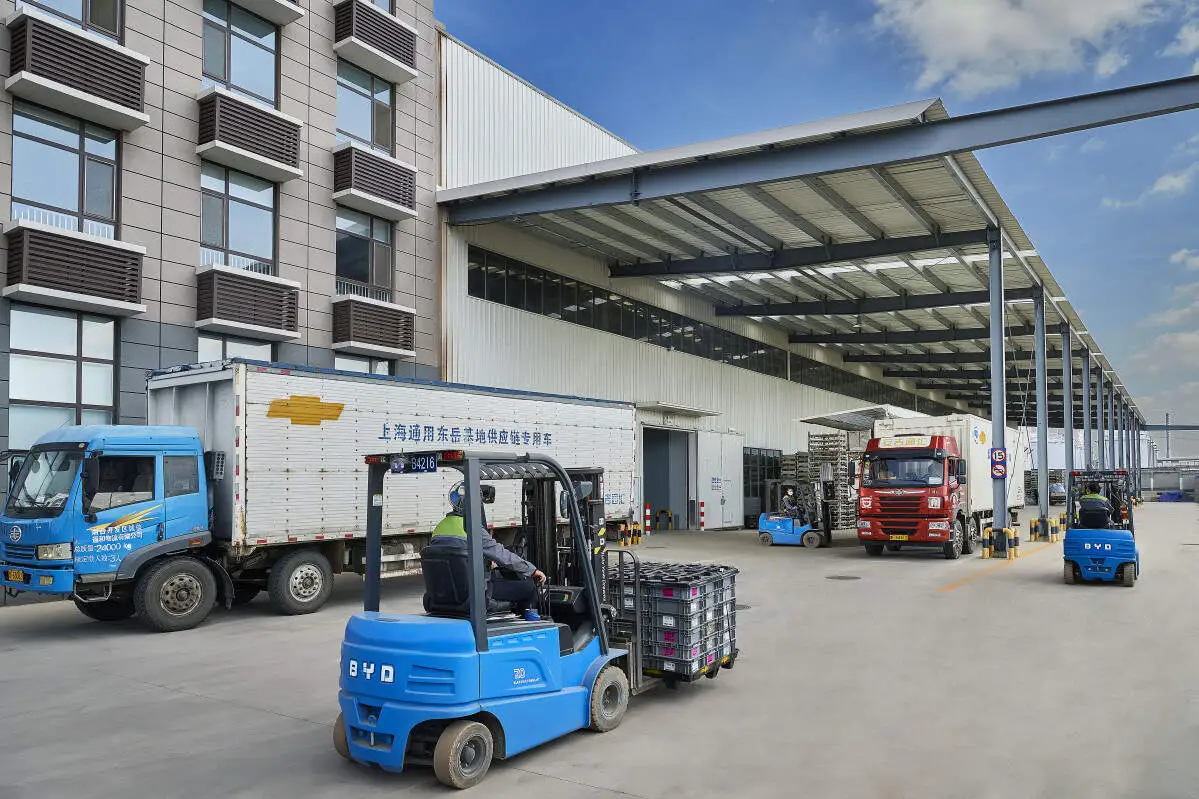
Dynamic system core analysis
Practical design of power output
The power system design of this electric forklift focuses on the actual needs of the operation scene, reducing losses by optimizing the energy transmission structure, ensuring the stability of the coordinated operation of various components, and avoiding power output fluctuations during heavy-duty operations. The power module is adapted to the operation characteristics of frequent start-stop, and when dealing with regular operations such as pallet loading and unloading, short-distance transfer, the response speed fits the rhythm of the operation, and can be integrated into the warehousing operation process without additional debugging, reducing operation time.
Operational efficiency measurement reference
Measured performance under storage conditions
Combined with the field measurement of industrial warehousing scenarios, the time-consuming data of completing pallet stacking, cross-regional transfer, etc. under rated load shows that the power performance of the equipment meets the requirements of daily operation, and it does not need to be replenished halfway for 8 hours of continuous operation. It is suitable for the time standard of single-shift operation. Under slightly rough ground conditions, the power output remains stable, there is no problem of skidding or power attenuation, and the operation efficiency meets the practical level of the same type of equipment in the industry. It provides a reference for the selection of electric forklifts in industrial scenarios and helps to improve the overall efficiency of the operation.


