简体中文
简体中文 Deutsch
 日本語
日本語 한국어
한국어 Tiếng Việt
 Русский
 ไทย
ไทย Bahasa Indonesia
 Bahasa Melayu
 Filipino
 لالعربية
 Français
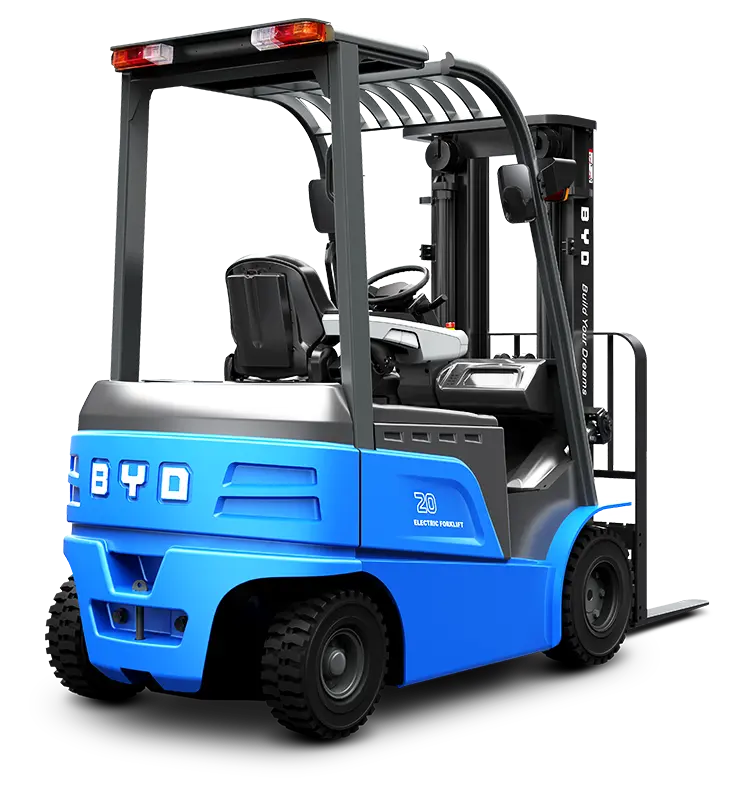
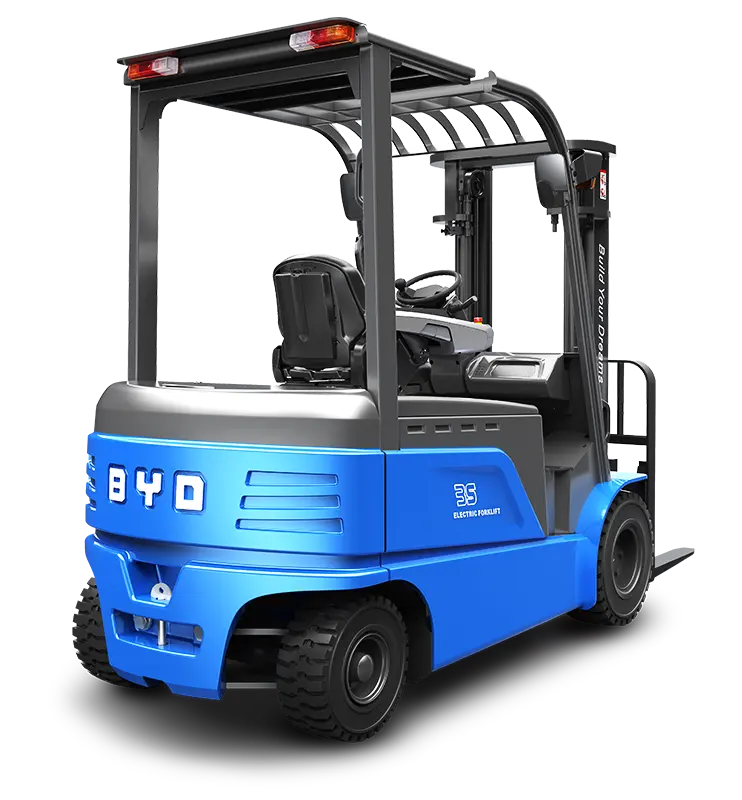
The rated load of a 3-ton forklift refers to the maximum allowable cargo weight when the equipment is in the standard load center distance, the gantry is kept vertical, and the lifting height does not exceed the specified value under the standard operating conditions of the factory calibration. This value is the safe bearing threshold obtained through rigorous testing, and not all operating scenarios can achieve a carrying capacity of 3 tons.
First of all, it is necessary to clarify the limited conditions of the rated load. The load center distance is an important factor affecting the actual bearing capacity. 3-ton forklifts usually have a fixed standard load center distance. If the center of gravity of the loaded goods exceeds this range, the overall stability of the forklift will decrease. At this time, the maximum allowable load capacity will be reduced accordingly, and the goods cannot be loaded directly according to the nominal value of 3 tons. In addition, the lifting height of the gantry and the working ground conditions will also affect the actual application range of the rated load, which cannot be generalized.
In the actual operation process, the load operation needs to follow a number of precautions.
Before the operation, do a good weight verification and cargo placement verification. Before loading, accurately confirm the actual weight of the goods, do not judge the weight only by visual estimation, to avoid overloading. When placing goods, try to align the center of gravity of the goods with the center of the fork to avoid partial loading and unilateral loading. When loading goods that are too long or too wide, calculate the position of the center of gravity in advance and appropriately reduce the bearing weight.
The load should be adjusted according to the operation scene. When working on ramps and the ground is soft and uneven, the overall stability of the forklift will decrease. At this time, the load should be appropriately reduced according to the size of the slope and ground conditions. When the lifting height exceeds the standard rated lifting height, the load should also be reduced accordingly to avoid the risk of rollover and cargo falling.
Also adjust the load according to the equipment status. Before each operation, check the forklift's braking system, lifting system, and tire wear. If the equipment has problems such as reduced braking sensitivity, wear on lifting parts, and insufficient tire pressure, the load should be appropriately reduced, and the equipment should be repaired and maintained in a timely manner. Do not operate with illness.
To clarify the safety risks of overloading, long-term overloading will not only accelerate the wear and tear of forklift frames, lifting chains, tires and other components, shorten the service life of the equipment, but also lead to longer braking distances, reduced steering stability, and even lead to serious safety accidents such as rollover and cargo collapse. Therefore, it is necessary to resolutely prevent overloading during operation.