
 简体中文
简体中文 Deutsch
 日本語
日本語 한국어
한국어 Tiếng Việt
 Русский
 ไทย
ไทย Bahasa Indonesia
 Bahasa Melayu
 Filipino
 لالعربية
 Français
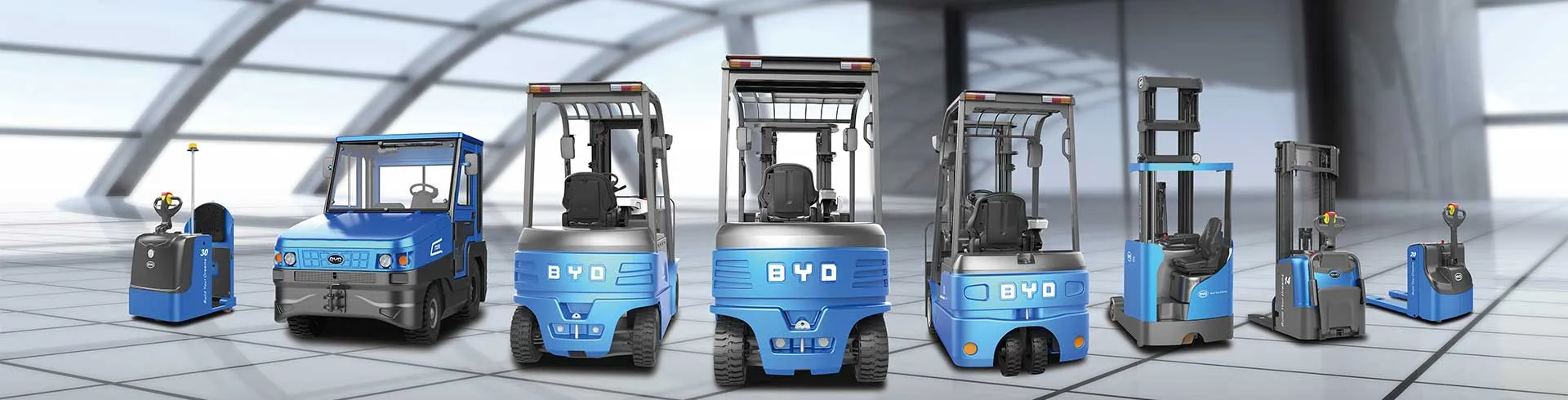
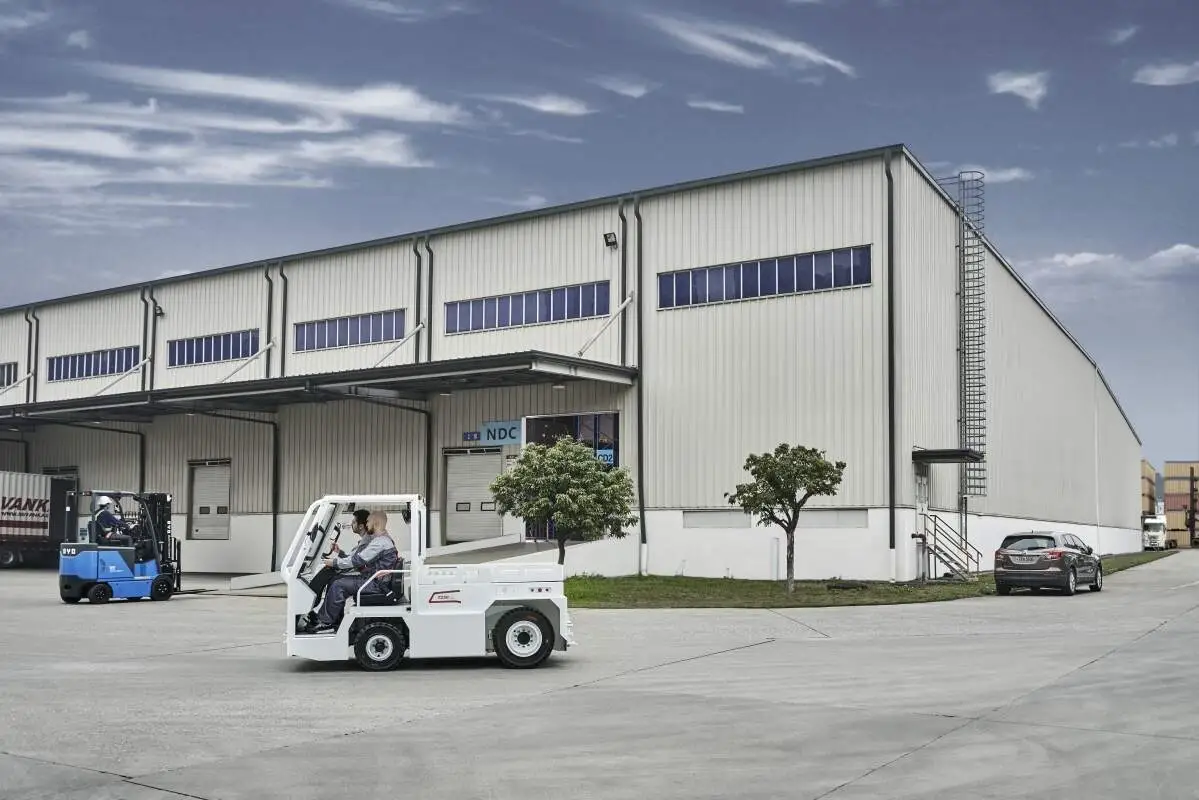
Due to its moderate size and flexible operation, 8-ton electric forklifts are widely used in warehousing sorting, light manufacturing, logistics transit, and other operating scenarios. Lithium-ion models are gradually replacing traditional fuel and lead-acid models as the mainstream of the market due to their advantages of zero emissions, low noise, and convenient charging.
In terms of the core characteristics of mainstream brands, there are differences in the adaptation performance of lithium battery technology: some brands focus on battery energy density improvement and adapt to long-term high-frequency operation scenarios; some brands optimize discharge efficiency in low-temperature environments to meet the needs of cold storage, northern outdoor and other special venues; There are also brands that introduce modular battery designs for easy replacement and maintenance.
The difference in operation performance is also an important reference for purchasing. Different brands adjust the steering system and load-bearing structure differently: some are suitable for narrow channel operation, and the turning radius is smaller; some improve the climbing ability and are suitable for workshop sites with ramps; some optimize the operation interface to reduce the learning cost for beginners.
The key reference for the purchase of lithium battery models needs to be combined with its own actual situation: first, determine the battery cycle life requirements according to the average daily operating hours. If the average daily operation exceeds 8 hours, you can choose a high cycle capacity model, and short-term operations can focus on cost performance; secondly, match the site conditions. Small turning radius models are preferred in narrow channel scenarios, and waterproof and dustproof grades are concerned in open-air operations. Finally, considering maintenance costs, modular battery design and fast charging function can reduce subsequent use investment. Reasonable planning of the selection direction can effectively improve operation efficiency, reduce equipment usage costs, and adapt to more scene requirements.


