
 简体中文
简体中文 Deutsch
 日本語
日本語 한국어
한국어 Tiếng Việt
 Русский
 ไทย
ไทย Bahasa Indonesia
 Bahasa Melayu
 Filipino
 لالعربية
 Français
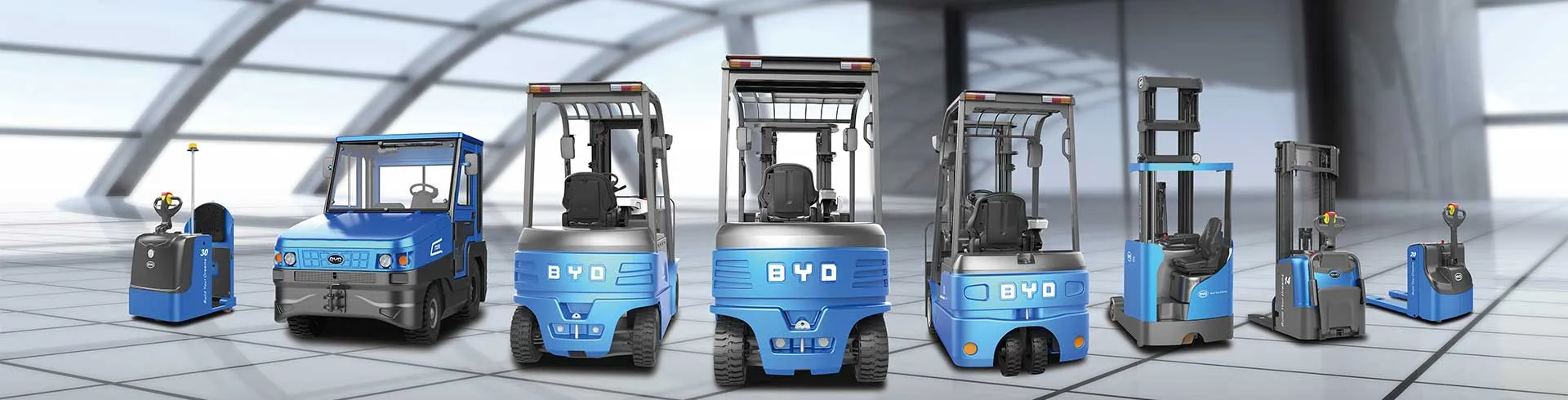
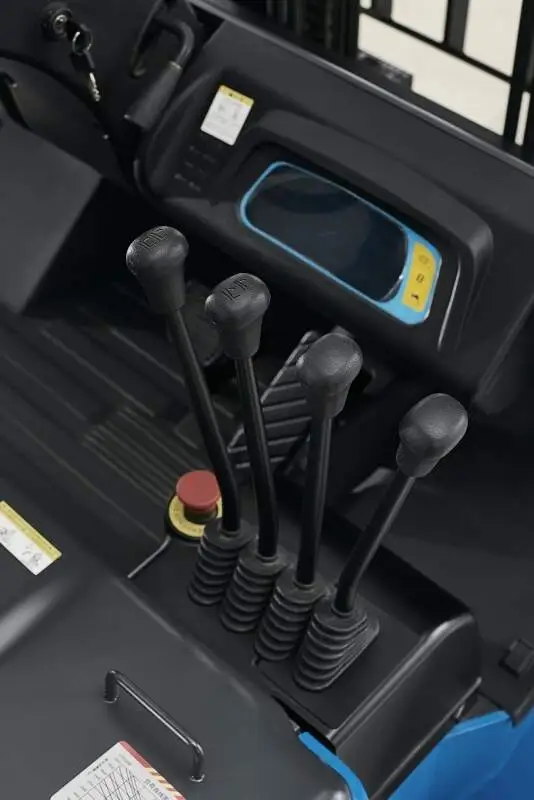
The core positioning of the 1.6-ton electric forklift
This 1.6-ton electric forklift has a clear positioning and mainly focuses on medium and small-scale warehousing, logistics terminal transfer, and material handling scenarios in lightweight industrial workshops. Compared with large-tonnage forklifts, it is more suitable for sites with limited space and high handling frequency, and can flexibly respond to the needs of narrow-channel operations, making up for the lack of flexibility of large-tonnage forklifts in such scenarios. It also reduces the comprehensive cost of acquisition and use, especially in the small-piece sorting area of e-commerce distribution centers and the replenishment link of community supermarkets. The advantages of this type of forklift are more obvious.
core feature analysis
Load adaptation and handling
The 1.6-ton load parameters meet the needs of small and medium-sized batch cargo handling, and can be adapted to standard pallets of different specifications. It can be put into use without additional customization, and can meet the handling operations of common materials such as pallets and turnover boxes. Its steering system is designed to fit operating habits, with a small turning radius, which can be flexibly turned in narrow passages, reducing dependence on site space and improving operation efficiency.
Energy consumption and maintenance characteristics
As an electric equipment, it adopts electric drive, energy consumption cost is lower than fuel forklift, and there is no exhaust emission, which is suitable for indoor operation scenarios with high environmental protection requirements. The battery life meets the needs of a single shift of 8 hours, without frequent charging, to ensure the continuity of operation. The power system structure is simple, and daily maintenance only needs to pay attention to battery status, brake parts, etc., which reduces the time and capital investment for later maintenance.
Scenario expansion
In addition to basic handling operations, it can also be matched with a variety of attachments to realize stacking, unstacking and other operations, further expanding the scope of application. Some attachments can be adjusted according to the needs of the operation, such as installing side-shifting attachments to facilitate the alignment of goods, improve the convenience of operation, and adapt to the material processing needs of multiple scenarios such as e-commerce warehousing and convenience store logistics.


