2026-07-08

Ang pagbara ng hydraulic filter element ng forklift ay nagdulot ng kahinaan sa pag-angat, at ang proseso ng pagpapalit ng mga bahagi ay ibinahagi.

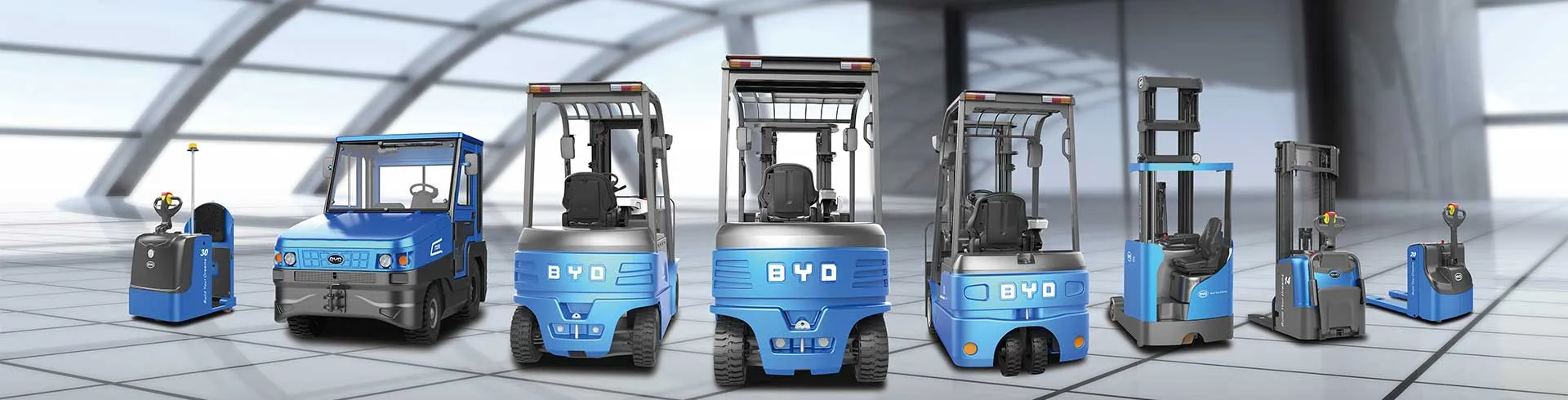
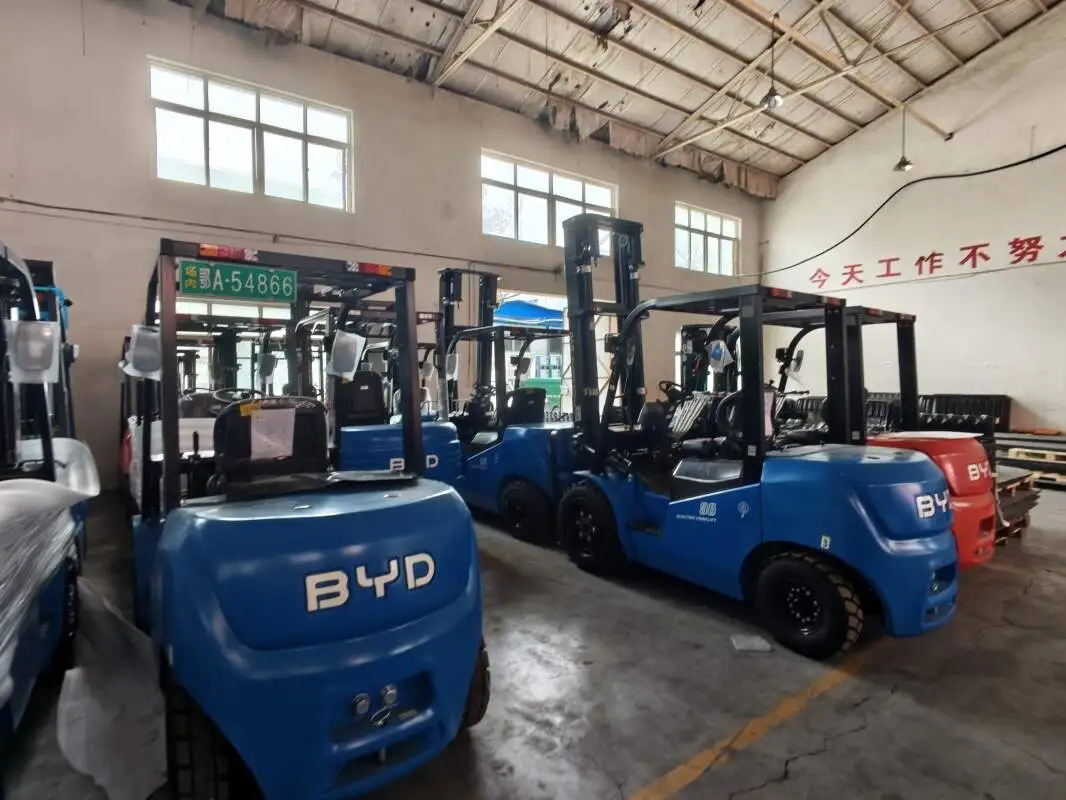
Ang pagbara ng hydraulic filter element ng forklift ay nagdulot ng kahinaan sa pag-angat, at ang proseso ng pagpapalit ng mga bahagi ay ibinahagi.(larawan1)

Sa pang-araw-araw na operasyon ng mga electric forklift, ang mahinang pag-aangat ay isang medyo pangkaraniwang pagkakamali. Maraming mga operator ang kadalasang walang paraan upang magsimula kapag nakakaranas ng mga ganitong problema. Sa katunayan, ang salarin ay ang pagbara ng hydraulic filter. Bilang pangunahing pinagmumulan ng kuryente para sa pag-angat ng function ng electric forklift, ang hydraulic filter ay gumaganap ng isang mahalagang papel sa pag-filter ng mga impurities sa langis at pagtiyak ng kalinisan ng langis. Kapag ang filter ay na-block, ito ay direktang makakaapekto sa normal na operasyon ng hydraulic system.

Ang prinsipyo ng kahinaan sa pag-aangat na dulot ng pagbara ng elemento ng hydraulic filter ay hindi kumplikado. Ang pagkilos ng pag-aangat ng electric forklift ay umaasa sa hydraulic pump upang maghatid ng mataas na presyon ng langis upang itulak ang silindro, at ang hydraulic filter ay may pananagutan sa pagharang ng mga dumi tulad ng mga labi ng metal, alikabok, at colloid sa langis. Kapag ang elemento ng filter ay ginamit nang masyadong mahaba o mayroong maraming mga dumi sa kapaligiran ng pagtatrabaho, ang butas ng filter ng elemento ng filter ay unti-unting mababara, na magreresulta sa pagtaas ng resistensya ng daloy ng langis, at ang hydraulic pump ay hindi makakapagbigay ng sapat na presyon para sa silindro, at sa kalaunan ay magaganap ang mabagal na pag-aangat o kahit na imposibleng pag-angat. sitwasyon. Bilang karagdagan, ang pangmatagalang pagbara ay maaari ring magpalala sa pagkasira ng mga hydraulic pump, mga silindro ng langis at iba pang mga bahagi, na nagdudulot ng mas malubhang pagkabigo.

Bago palitan ang elemento ng hydraulic filter, kailangan mong gumawa ng sapat na paghahanda. Una, iparada ang electric forklift sa isang patag at well-ventilated na lugar, hilahin pataas ang handbrake at patayin ang kuryente upang matiyak ang ligtas na operasyon; pangalawa, maghanda ng mga bagong hydraulic filter, wrenches, oil receiving container, cleaning wipes at iba pang mga tool at accessories. Tandaan na ang modelo ng bagong elemento ng filter ay dapat tumugma sa hydraulic system ng forklift upang maiwasan ang mahinang sealing o mahinang epekto ng pag-filter dahil sa hindi pantay na mga modelo. Panghuli, suriin ang manual ng pagpapatakbo ng forklift nang maaga upang maunawaan ang partikular na lokasyon ng pag-install ng hydraulic elemento ng filter.

Ang partikular na proseso ng pagpapalit ay maaaring nahahati sa mga sumusunod na hakbang: Ang unang hakbang ay ang paglabas ng lumang hydraulic oil. Hanapin ang oil drain port ng hydraulic oil tank, ilagay ang oil receiving container sa ibaba, dahan-dahang buksan ang oil drain valve, at isara ang valve pagkatapos na ganap na ma-discharge ang lumang langis. Bigyang-pansin ang wastong pagtatapon ng nakolektang lumang langis upang maiwasan ang pagdumi sa kapaligiran. Ang ikalawang hakbang ay i-disassemble ang lumang elemento ng filter. Gumamit ng wrench upang maingat na tanggalin ang lumang elemento ng filter. Sa panahon ng proseso, ang mga dumi sa elemento ng filter ay dapat na pigilan na mahulog sa hydraulic oil circuit. Pagkatapos ng disassembly, ang antas ng polusyon sa ibabaw ng elemento ng filter ay maaaring obserbahan upang higit pang kumpirmahin ang sanhi ng pagkabigo. Ang ikatlong hakbang ay linisin ang installation seat. Punasan ang contact surface ng installation seat ng filter element gamit ang malinis na basahan upang suriin kung nasira o luma na ang sealing gasket. Kung may anumang problema, palitan ang bagong seal sa oras upang maiwasan ang kasunod na pagtagas ng langis. Ang ikaapat na hakbang ay ang pag-install ng bagong elemento ng filter. Maglagay ng kaunting malinis na hydraulic oil sa sealing ring ng bagong elemento ng filter, at pagkatapos ay i-screw ang elemento ng filter sa installation seat sa pamamagitan ng kamay. Pagkatapos magkasya ang sealing ring, dahan-dahang higpitan ito ng wrench. Mag-ingat na huwag gumamit ng labis na puwersa upang maiwasan pinsala sa elemento ng filter o sa upuan ng pag-install. Ang ikalimang hakbang ay magdagdag ng bagong hydraulic oil. Ayon sa pamantayan ng antas ng langis na itinakda sa manwal ng forklift, idagdag ang katugmang hydraulic oil sa hydraulic oil tank, at iwasan ang paghahalo ng langis sa mga dumi sa panahon ng proseso ng pagdaragdag. Ang ikaanim na hakbang ay subukan ang lifting function. Simulan ang forklift, paandarin ang lifting handle nang paulit-ulit, obserbahan kung bumalik sa normal ang pagkilos ng pag-aangat, at suriin kung mayroong anumang pagtagas ng langis sa hydraulic system upang matiyak ang matatag na operasyon ng pinalitan na sistema.

Bilang karagdagan sa pagpapalit pagkatapos ng pagkabigo, ang pang-araw-araw na pagpapanatili ay mahalaga din. Inirerekomenda na regular na palitan ang elemento ng hydraulic filter ayon sa ikot ng pagpapanatili ng forklift. Sa pangkalahatan, maaari itong palitan tuwing 500 oras o higit pa; pagkatapos ng pang-araw-araw na operasyon, ang alikabok at mga labi sa ibabaw ng forklift ay dapat linisin sa oras upang mabawasan ang posibilidad ng mga dumi na pumapasok sa hydraulic system; Regular na suriin ang kulay at estado ng hydraulic oil. Kung ang langis ay nakitang maulap o itim, kailangan itong palitan sa oras upang mabawasan ang panganib ng pagbara ng elemento ng filter mula sa pinagmulan.
Telepono

WeChat

Whatsapp

e-mail

We use cookie to improve your online experience. By continuing to browse this website, you agree to our use of cookie.

Cookies

Please read our Terms and Conditions and this Policy before accessing or using our Services. If you cannot agree with this Policy or the Terms and Conditions, please do not access or use our Services. If you are located in a jurisdiction outside the European Economic Area, by using our Services, you accept the Terms and Conditions and accept our privacy practices described in this Policy.
We may modify this Policy at any time, without prior notice, and changes may apply to any Personal Information we already hold about you, as well as any new Personal Information collected after the Policy is modified. If we make changes, we will notify you by revising the date at the top of this Policy. We will provide you with advanced notice if we make any material changes to how we collect, use or disclose your Personal Information that impact your rights under this Policy. If you are located in a jurisdiction other than the European Economic Area, the United Kingdom or Switzerland (collectively “European Countries”), your continued access or use of our Services after receiving the notice of changes, constitutes your acknowledgement that you accept the updated Policy. In addition, we may provide you with real time disclosures or additional information about the Personal Information handling practices of specific parts of our Services. Such notices may supplement this Policy or provide you with additional choices about how we process your Personal Information.


Cookies

Cookies are small text files stored on your device when you access most Websites on the internet or open certain emails. Among other things, Cookies allow a Website to recognize your device and remember if you've been to the Website before. Examples of information collected by Cookies include your browser type and the address of the Website from which you arrived at our Website as well as IP address and clickstream behavior (that is the pages you view and the links you click).We use the term cookie to refer to Cookies and technologies that perform a similar function to Cookies (e.g., tags, pixels, web beacons, etc.). Cookies can be read by the originating Website on each subsequent visit and by any other Website that recognizes the cookie. The Website uses Cookies in order to make the Website easier to use, to support a better user experience, including the provision of information and functionality to you, as well as to provide us with information about how the Website is used so that we can make sure it is as up to date, relevant, and error free as we can. Cookies on the Website We use Cookies to personalize your experience when you visit the Site, uniquely identify your computer for security purposes, and enable us and our third-party service providers to serve ads on our behalf across the internet.

We classify Cookies in the following categories:
 ●  Strictly Necessary Cookies
 ●  Performance Cookies
 ●  Functional Cookies
 ●  Targeting Cookies


Cookie List
A cookie is a small piece of data (text file) that a website – when visited by a user – asks your browser to store on your device in order to remember information about you, such as your language preference or login information. Those cookies are set by us and called first-party cookies. We also use third-party cookies – which are cookies from a domain different than the domain of the website you are visiting – for our advertising and marketing efforts. More specifically, we use cookies and other tracking technologies for the following purposes:

Strictly Necessary Cookies
These cookies are necessary for the website to function and cannot be switched off in our systems. They are usually only set in response to actions made by you which amount to a request for services, such as setting your privacy preferences, logging in or filling in forms. You can set your browser to block or alert you about these cookies, but some parts of the site will not then work. These cookies do not store any personally identifiable information.

Functional Cookies
These cookies enable the website to provide enhanced functionality and personalisation. They may be set by us or by third party providers whose services we have added to our pages. If you do not allow these cookies then some or all of these services may not function properly.

Performance Cookies
These cookies allow us to count visits and traffic sources so we can measure and improve the performance of our site. They help us to know which pages are the most and least popular and see how visitors move around the site. All information these cookies collect is aggregated and therefore anonymous. If you do not allow these cookies we will not know when you have visited our site, and will not be able to monitor its performance.

Targeting Cookies
These cookies may be set through our site by our advertising partners. They may be used by those companies to build a profile of your interests and show you relevant adverts on other sites. They do not store directly personal information, but are based on uniquely identifying your browser and internet device. If you do not allow these cookies, you will experience less targeted advertising.

How To Turn Off Cookies
You can choose to restrict or block Cookies through your browser settings at any time. Please note that certain Cookies may be set as soon as you visit the Website, but you can remove them using your browser settings. However, please be aware that restricting or blocking Cookies set on the Website may impact the functionality or performance of the Website or prevent you from using certain services provided through the Website. It will also affect our ability to update the Website to cater for user preferences and improve performance. Cookies within Mobile Applications

We only use Strictly Necessary Cookies on our mobile applications. These Cookies are critical to the functionality of our applications, so if you block or delete these Cookies you may not be able to use the application. These Cookies are not shared with any other application on your mobile device. We never use the Cookies from the mobile application to store personal information about you.

If you have questions or concerns regarding any information in this Privacy Policy, please contact us by email at . You can also contact us via our customer service at our Site.