2026-06-13

รถยกแบตเตอรี่ลิเธียมสามารถชาร์จได้ตลอดเวลาหรือไม่? ความเข้าใจผิดที่พบบ่อยหลายประการเกี่ยวกับแบตเตอรี่

ด้วยการใช้รถยกไฟฟ้าอย่างกว้างขวางในสถานการณ์ต่างๆ เช่น คลังสินค้าและโลจิสติกส์ รถยกแบตเตอรี่ลิเธียมจึงค่อยๆ กลายเป็นตัวเลือกหลักที่มีข้อดีในการปกป้องสิ่งแวดล้อมและประสิทธิภาพสูง ในกระบวนการใช้งาน ความสามารถในการ "ชาร์จตามการใช้งาน" และความเข้าใจผิดในการใช้งานที่เกี่ยวข้องของแบตเตอรี่รถยกแบตเตอรี่ลิเธียมเป็นจุดสนใจของผู้ใช้มาโดยตลอด บทความนี้จะรวมลักษณะการทำงานของแบตเตอรี่ลิเธียมแบตเตอรี่เพื่อวิเคราะห์ข้อผิดพลาดในการใช้งานทั่วไป ช่วยให้ผู้ใช้เข้าใจและบำรุงรักษาแบตเตอรี่อย่างถูกต้อง ยืดอายุการใช้งาน และปรับปรุงประสิทธิภาพการใช้อุปกรณ์

ความเชื่อที่ 1: รถยกแบตเตอรี่ลิเธียมต้องชาร์จให้เต็มก่อนใช้งาน

ผู้ใช้หลายคนเชื่อว่าเพื่อให้แน่ใจว่ารถยกมีพลังงานเพียงพอแบตเตอรี่จะต้องชาร์จจนเต็มก่อนนำไปใช้งาน ในความเป็นจริงแบตเตอรี่ลิเธียมไอออนซึ่งแตกต่างจากแบตเตอรี่ตะกั่วกรดทั่วไปไม่มี "ผลหน่วยความจำ" ที่ชัดเจนและไม่จำเป็นต้องเปิดใช้งานผ่านวงจร "คายประจุเต็ม - ชาร์จเต็ม" ในทางตรงกันข้ามการคายประจุมากเกินไป (เช่นพลังงานน้อยกว่า 10%) จะทำให้ยากต่อการฝังลิเธียมไอออนภายในแบตเตอรี่ส่งผลกระทบต่อความเสถียรของวัสดุอิเล็กโทรดและในระยะยาวจะลดความจุของแบตเตอรี่และอายุการใช้งานของวงจร วิธีที่ถูกต้องคือ: เริ่มการชาร์จเมื่อพลังงานแบตเตอรี่ลดลงเหลือ 20% -30% และหลีกเลี่ยงการใช้งานหลังจากใช้งานจนหมดซึ่งไม่เพียง แต่รับประกันความต่อเนื่องในการทำงาน แต่ยังช่วยลดความเสียหายต่อแบตเตอรี่ที่เกิดจากการคายประจุลึก

ความเชื่อที่ 2: การชาร์จบ่อยครั้งจะทำให้อายุการใช้งานแบตเตอรี่สั้นลง
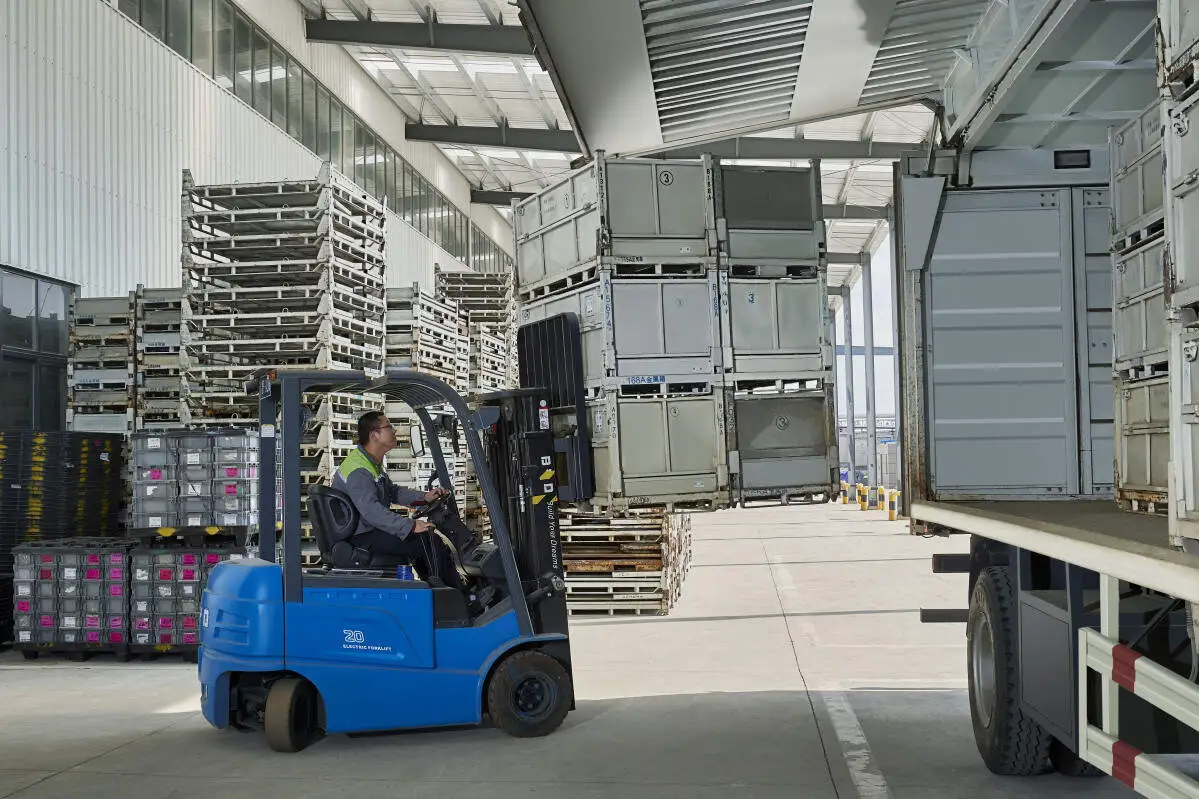
รถยกแบตเตอรี่ลิเธียมสามารถชาร์จได้ตลอดเวลาหรือไม่? ความเข้าใจผิดที่พบบ่อยหลายประการเกี่ยวกับแบตเตอรี่(รูป1)

ผู้ใช้บางคนกังวลว่าการชาร์จรถยกแบตเตอรี่ลิเธียมบ่อยครั้งจะช่วยเร่งการเสื่อมสภาพของแบตเตอรี่ อย่างไรก็ตามจากหลักการชาร์จและการคายประจุของแบตเตอรี่ลิเธียมไอออนอายุการใช้งานแบตเตอรี่ส่วนใหญ่ขึ้นอยู่กับ "จำนวนการคายประจุลึก" และ "สภาพแวดล้อมที่มีอุณหภูมิสูง" หากใช้ "การชาร์จแบบตื้นและการคายประจุแบบตื้น" (เช่นจาก 80% ถึง 20% ของการชาร์จเต็มในแต่ละครั้ง) สำหรับการชาร์จแต่ละครั้งจะเทียบเท่ากับการลดจำนวนการคายประจุลึก แต่จะช่วยยืดอายุการใช้งานแบตเตอรี่ ตัวอย่างเช่นหากรถยกทำงาน 3 ครั้งต่อวันปริมาณการใช้พลังงานจะอยู่ที่ 80% ถึง 20% ต่อการใช้งานและปริมาณการคายประจุรวมจะอยู่ที่ 60% ซึ่งต่ำกว่าวงจรลึกของการชาร์จหลังจากคายประจุจนหมด ดังนั้นภายในช่วงที่เหมาะสม (เช่นการเติมพลังงานระหว่างการทำงานในแต่ละวัน) การชาร์จบ่อยครั้งจะส่งผลต่ออายุการใช้งานแบตเตอรี่น้อยลงและไม่จำเป็นต้องกังวลมากเกินไป

ความเชื่อที่ 3: ยิ่งเวลาในการชาร์จนานเท่าใด การชาร์จแบตเตอรี่ก็จะยิ่งเต็มมากขึ้นเท่านั้น

ผู้ใช้บางคนคุ้นเคยกับการชาร์จแบตเตอรี่เป็นเวลานานในเวลากลางคืนหรือในช่วงเวลาที่ไม่ได้ใช้งานโดยคิดว่า "ยิ่งเวลาในการชาร์จนานเท่าไหร่ก็ยิ่งมีพลังงานมากขึ้นเท่านั้น" แต่ในความเป็นจริงแบตเตอรี่รถยกแบตเตอรี่ลิเธียมมักจะติดตั้งวงจรป้องกันอัจฉริยะเมื่อแบตเตอรี่เต็มแล้วจะเข้าสู่สถานะการชาร์จแบบลอยตัวหรือการชาร์จแบบหยดโดยอัตโนมัติในเวลานี้ประสิทธิภาพการชาร์จต่ำมากและแบตเตอรี่ยังคงอยู่ในสถานะไฟฟ้าแรงสูงอาจทำให้วัสดุอิเล็กโทรดร้อนขึ้น การสลายตัวของอิเล็กโทรไลต์ซึ่งจะส่งผลต่อประสิทธิภาพและอายุการใช้งานของแบตเตอรี่ โดยทั่วไปก็เพียงพอแล้วที่จะปฏิบัติตามเวลาการชาร์จมาตรฐานที่กำหนดไว้ในคู่มือการชาร์จ หลังจากชาร์จเต็มแล้วขอแนะนำให้ปิดเครื่องให้ทันเวลาเพื่อหลีกเลี่ยงการชาร์จเป็นเวลานาน

ความเชื่อที่ 4: ไม่สามารถใช้งานได้หากประสิทธิภาพการชาร์จต่ำในสภาพแวดล้อมที่มีอุณหภูมิต่ำ

ในสภาพแวดล้อมที่มีอุณหภูมิต่ำในฤดูหนาวกิจกรรมของแบตเตอรี่ของรถยกแบตเตอรี่ลิเธียมจะลดลงและความเร็วในการชาร์จอาจช้าลงดังนั้นผู้ใช้บางคนจึงคิดว่า "ไม่สามารถใช้งานได้เมื่ออุณหภูมิต่ำ" ในความเป็นจริงผลกระทบของอุณหภูมิต่ำต่อแบตเตอรี่สามารถย้อนกลับได้: หากรถยกทำงานในสภาพแวดล้อมที่มีอุณหภูมิต่ำสามารถย้ายแบตเตอรี่ไปยังสภาพแวดล้อมในร่ม (อุณหภูมิสูงกว่า 5 ℃) สำหรับการชาร์จหรือเลือกเครื่องชาร์จที่มีฟังก์ชั่นชดเชยอุณหภูมิ ปรับให้เข้ากับอุณหภูมิต่ำโดยการปรับกระแสการชาร์จและแรงดันไฟฟ้า อุณหภูมิพื้นผิวของแบตเตอรี่สามารถเพิ่มขึ้นได้ประมาณ 15 ℃ก่อนการชาร์จซึ่งสามารถปรับปรุงประสิทธิภาพการชาร์จได้อย่างมีประสิทธิภาพ นอกจากนี้หลีกเลี่ยงการเก็บแบตเตอรี่ที่คายประจุอย่างสมบูรณ์ในสภาพแวดล้อมที่มีอุณหภูมิต่ำเป็นเวลานานสามารถรักษาพลังงานได้อย่างเหมาะสม 20% -30% เพื่อลดความเสียหายต่อแบตเตอรี่ที่อุณหภูมิต่ำ

ความเชื่อที่ 5: ไม่เป็นไรที่จะชาร์จอีกครั้งเมื่อแบตเตอรี่หมด

ผู้ใช้บางคนคิดว่า "แบตเตอรี่สามารถใช้งานได้ตามปกติหลังจากชาร์จใหม่เมื่อแบตเตอรี่หมด" แต่การคายประจุมากเกินไป (เช่นพลังงานน้อยกว่า 5%) จะทำให้ไอออนโลหะลิเธียมภายในแบตเตอรี่ฝังอยู่ในวัสดุขั้วลบได้ยาก ทำให้เกิด "ลิเธียมเดนไดรต์" ซึ่งอาจเจาะทะลุไดอะแฟรมทำให้เกิดอันตรายด้านความปลอดภัยในขณะที่ลดความจุของแบตเตอรี่อย่างไม่สามารถย้อนกลับได้ ดังนั้นเมื่อการแสดงพลังงานน้อยกว่า 20% ควรเริ่มการชาร์จให้ทันเวลาเพื่อหลีกเลี่ยงการคายประจุแบตเตอรี่มากเกินไป ในการใช้งานประจำวัน ขอแนะนำให้พัฒนานิสัยของ "การเติมพลังงานขนาดเล็กในเวลาที่เหมาะสมและไม่หมดพลังงานขนาดใหญ่" เพื่อให้แบตเตอรี่อยู่ในช่วงการชาร์จและการคายประจุที่เหมาะสมเสมอ ซึ่งไม่เพียงแต่รับประกันความปลอดภัยเท่านั้น แต่ยังช่วยยืดอายุการใช้งานอีกด้วย

สรุป: ความสามารถในการ "ชาร์จตามการใช้งาน" ของแบตเตอรี่รถยกแบตเตอรี่ลิเธียมนั้นขึ้นอยู่กับพฤติกรรมการใช้งานที่ถูกต้องเป็นหลัก โดยการหลีกเลี่ยงการคายประจุมากเกินไปการควบคุมเวลาในการชาร์จที่เหมาะสมและการปรับกลยุทธ์การใช้งานให้เหมาะสมในสภาพแวดล้อมที่มีอุณหภูมิต่ำผู้ใช้สามารถยืดอายุการใช้งานแบตเตอรี่ได้อย่างมีประสิทธิภาพและปรับปรุงประสิทธิภาพการทำงานของรถยก ในการใช้งานจริงจำเป็นต้องรวมคู่มืออุปกรณ์และลักษณะของแบตเตอรี่และการบำรุงรักษาทางวิทยาศาสตร์เพื่อให้การเล่นเต็มรูปแบบกับข้อดีของรถยกแบตเตอรี่ลิเธียม

Whatsapp

Skype

VK

ส่งคำถาม

We use cookie to improve your online experience. By continuing to browse this website, you agree to our use of cookie.

Cookies

Please read our Terms and Conditions and this Policy before accessing or using our Services. If you cannot agree with this Policy or the Terms and Conditions, please do not access or use our Services. If you are located in a jurisdiction outside the European Economic Area, by using our Services, you accept the Terms and Conditions and accept our privacy practices described in this Policy.
We may modify this Policy at any time, without prior notice, and changes may apply to any Personal Information we already hold about you, as well as any new Personal Information collected after the Policy is modified. If we make changes, we will notify you by revising the date at the top of this Policy. We will provide you with advanced notice if we make any material changes to how we collect, use or disclose your Personal Information that impact your rights under this Policy. If you are located in a jurisdiction other than the European Economic Area, the United Kingdom or Switzerland (collectively “European Countries”), your continued access or use of our Services after receiving the notice of changes, constitutes your acknowledgement that you accept the updated Policy. In addition, we may provide you with real time disclosures or additional information about the Personal Information handling practices of specific parts of our Services. Such notices may supplement this Policy or provide you with additional choices about how we process your Personal Information.


Cookies

Cookies are small text files stored on your device when you access most Websites on the internet or open certain emails. Among other things, Cookies allow a Website to recognize your device and remember if you've been to the Website before. Examples of information collected by Cookies include your browser type and the address of the Website from which you arrived at our Website as well as IP address and clickstream behavior (that is the pages you view and the links you click).We use the term cookie to refer to Cookies and technologies that perform a similar function to Cookies (e.g., tags, pixels, web beacons, etc.). Cookies can be read by the originating Website on each subsequent visit and by any other Website that recognizes the cookie. The Website uses Cookies in order to make the Website easier to use, to support a better user experience, including the provision of information and functionality to you, as well as to provide us with information about how the Website is used so that we can make sure it is as up to date, relevant, and error free as we can. Cookies on the Website We use Cookies to personalize your experience when you visit the Site, uniquely identify your computer for security purposes, and enable us and our third-party service providers to serve ads on our behalf across the internet.

We classify Cookies in the following categories:
 ●  Strictly Necessary Cookies
 ●  Performance Cookies
 ●  Functional Cookies
 ●  Targeting Cookies


Cookie List
A cookie is a small piece of data (text file) that a website – when visited by a user – asks your browser to store on your device in order to remember information about you, such as your language preference or login information. Those cookies are set by us and called first-party cookies. We also use third-party cookies – which are cookies from a domain different than the domain of the website you are visiting – for our advertising and marketing efforts. More specifically, we use cookies and other tracking technologies for the following purposes:

Strictly Necessary Cookies
These cookies are necessary for the website to function and cannot be switched off in our systems. They are usually only set in response to actions made by you which amount to a request for services, such as setting your privacy preferences, logging in or filling in forms. You can set your browser to block or alert you about these cookies, but some parts of the site will not then work. These cookies do not store any personally identifiable information.

Functional Cookies
These cookies enable the website to provide enhanced functionality and personalisation. They may be set by us or by third party providers whose services we have added to our pages. If you do not allow these cookies then some or all of these services may not function properly.

Performance Cookies
These cookies allow us to count visits and traffic sources so we can measure and improve the performance of our site. They help us to know which pages are the most and least popular and see how visitors move around the site. All information these cookies collect is aggregated and therefore anonymous. If you do not allow these cookies we will not know when you have visited our site, and will not be able to monitor its performance.

Targeting Cookies
These cookies may be set through our site by our advertising partners. They may be used by those companies to build a profile of your interests and show you relevant adverts on other sites. They do not store directly personal information, but are based on uniquely identifying your browser and internet device. If you do not allow these cookies, you will experience less targeted advertising.

How To Turn Off Cookies
You can choose to restrict or block Cookies through your browser settings at any time. Please note that certain Cookies may be set as soon as you visit the Website, but you can remove them using your browser settings. However, please be aware that restricting or blocking Cookies set on the Website may impact the functionality or performance of the Website or prevent you from using certain services provided through the Website. It will also affect our ability to update the Website to cater for user preferences and improve performance. Cookies within Mobile Applications

We only use Strictly Necessary Cookies on our mobile applications. These Cookies are critical to the functionality of our applications, so if you block or delete these Cookies you may not be able to use the application. These Cookies are not shared with any other application on your mobile device. We never use the Cookies from the mobile application to store personal information about you.

If you have questions or concerns regarding any information in this Privacy Policy, please contact us by email at . You can also contact us via our customer service at our Site.


WhatsApp avatar

Click to Chat.

Im online now.

Hey, my name is Tim. The CPO of JXD, how can I assist you today?

WhatsApp Us

WhatsApp us