
 简体中文
简体中文 English
 Deutsch
 日本語
日本語 한국어
한국어 Tiếng Việt
 Русский
 ไทย
ไทย Bahasa Indonesia
 Bahasa Melayu
 لالعربية
 Français
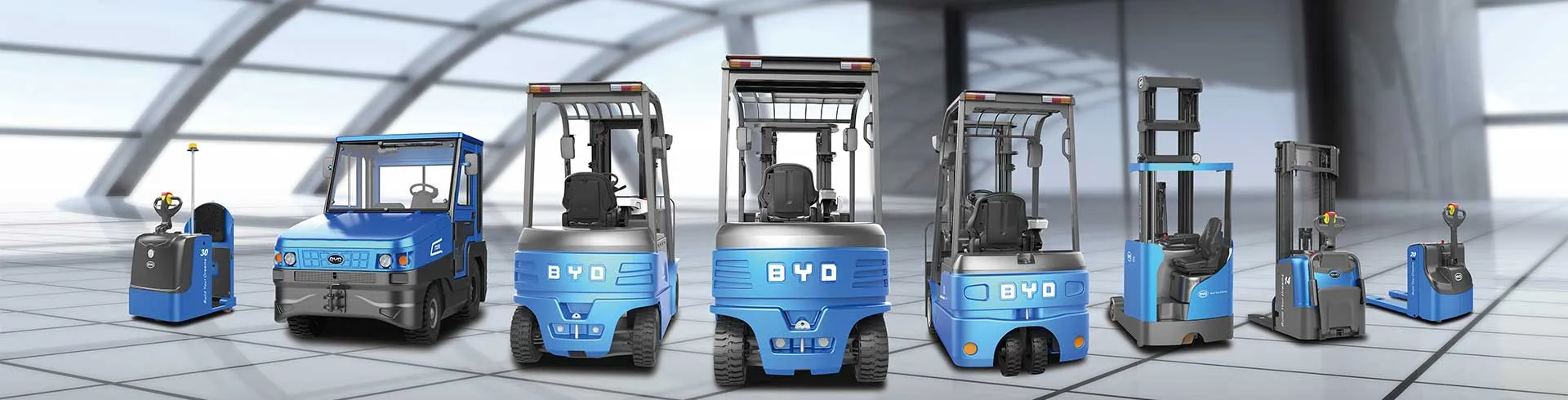
Sa malawak na aplikasyon ng mga electric forklift sa warehousing at logistics scenario, ang mga lithium-ion forklift ay unti-unting naging pangunahing pagpipilian dahil sa kanilang mga pakinabang sa pangangalaga sa kapaligiran at mataas na kahusayan. Sa proseso ng paggamit, ang kakayahang "mag-charge habang ginagamit mo" at mga kaugnay na hindi pagkakaunawaan tungkol sa mga baterya ng lithium-ion forklift ay palaging pinagtutuunan ng pansin ng mga gumagamit. Pagsasamahin ng artikulong ito ang mga gumaganang katangian ng mga baterya ng lithium-ion upang suriin ang mga karaniwang hindi pagkakaunawaan sa paggamit, tulungan ang mga user na maunawaan at mapanatili nang tama ang mga baterya, pahabain ang buhay ng serbisyo, at pagbutihin ang kahusayan ng kagamitan.
Hindi Pagkakaunawaan 1: Ang mga forklift ng baterya ng lithium ay dapat na ganap na ma-charge bago gamitin.
Maraming mga gumagamit ang naniniwala na upang matiyak na ang forklift ay ganap na naka-charge, ang baterya ay dapat na ganap na naka-charge bago ito gamitin. Sa katunayan, ang mga baterya ng lithium-ion, hindi tulad ng mga tradisyonal na lead-acid na baterya, ay walang malinaw na "memory effect" at hindi kailangang i-activate sa pamamagitan ng isang "full discharge-full charge" cycle. Sa kabaligtaran, ang labis na paglabas (tulad ng kapangyarihan na mas mababa sa 10%) ay hahantong sa kahirapan sa pag-embed ng mga lithium ions sa loob ng baterya, na makakaapekto sa katatagan ng materyal ng elektrod, na magbabawas sa kapasidad ng baterya at buhay ng ikot sa katagalan. Ang tamang diskarte ay: simulan ang pag-charge kapag ang lakas ng baterya ay bumaba sa 20% -30%, at iwasang gamitin ito pagkatapos na ito ay ganap na maubos.
Pabula 2: Ang madalas na pag-charge ay magpapaikli sa buhay ng baterya
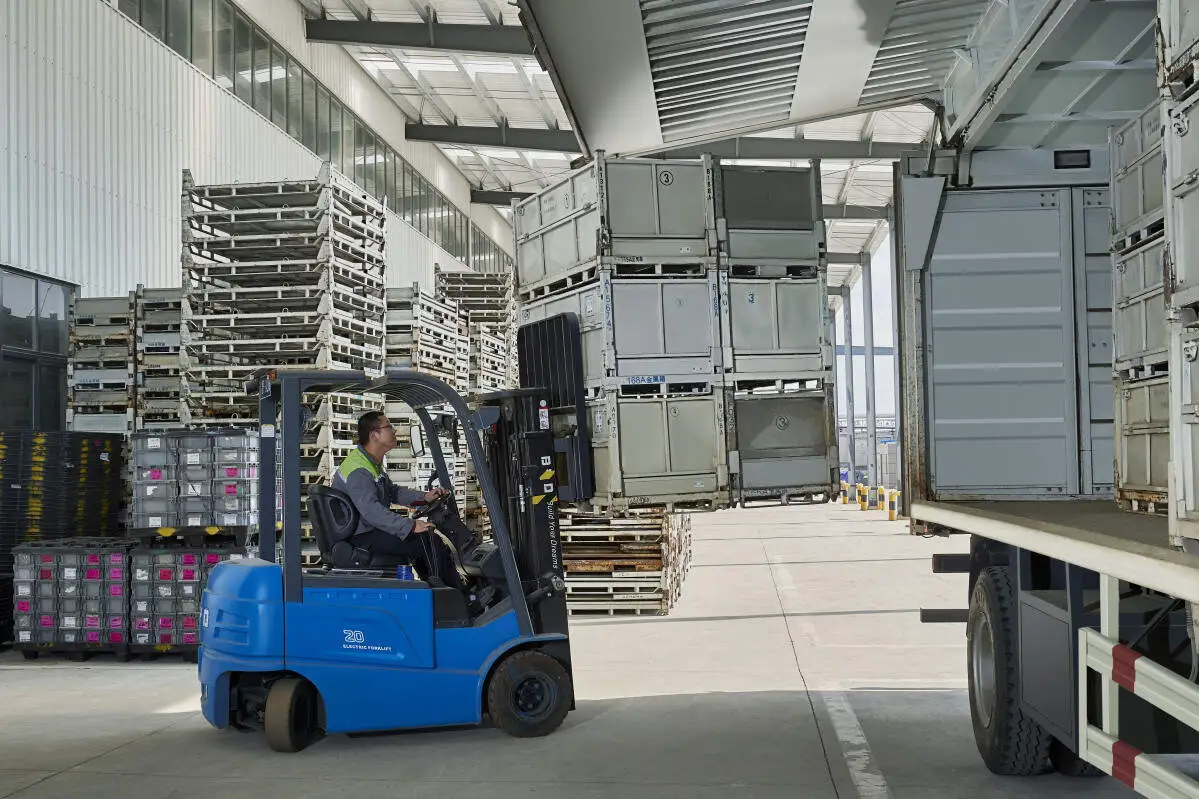
Ang ilang mga gumagamit ay nag-aalala na ang madalas na pag-charge ng mga forklift ng baterya ng lithium ay magpapabilis sa pagtanda ng baterya. Gayunpaman, mula sa pananaw ng prinsipyo ng pag-charge at pagdiskarga ng mga baterya ng lithium-ion, ang buhay ng baterya ay pangunahing nakasalalay sa "bilang ng mga malalim na paglabas" at "mataas na temperatura na kapaligiran". Kung ang "mababaw na pag-charge at mababaw na paglabas" ay ginagamit para sa bawat pag-charge (halimbawa, ang bawat paggamit ng kuryente ay mula 80% hanggang 20% ng buong singil), ito ay katumbas ng pagbabawas ng bilang ng mga malalim na paglabas, na makakatulong sa pagpapahaba ng buhay ng ikot ng baterya. Halimbawa, kung ang forklift ay gumagana nang tatlong beses sa isang araw, ang konsumo ng kuryente sa bawat oras ay mula 80% hanggang 20%, at ang kabuuang discharge ay 60%, na mas mababa kaysa sa malalim na cycle ng recharging pagkatapos ng buong discharge. Samakatuwid, sa loob ng makatwirang saklaw (tulad ng muling pagdadagdag ng kuryente sa pagitan ng mga pang-araw-araw na operasyon), ang madalas na pag-
Pabula 3: Kung mas mahaba ang oras ng pag-charge, mas ganap na ma-charge ang baterya.
Nakasanayan na ng ilang user na i-charge ang baterya nang mahabang panahon sa gabi o sa mga oras na walang pasok, iniisip na "mas mahaba ang oras ng pag-charge, mas maraming baterya". Ngunit sa katunayan, ang mga baterya ng lithium-ion forklift ay karaniwang nilagyan ng mga intelligent na circuit ng proteksyon. Kapag ang baterya ay ganap na na-charge, awtomatiko itong papasok sa floating o trickle-down na estado ng pag-charge. Sa oras na ito, ang kahusayan sa pag-charge ay napakababa, at ang baterya ay patuloy na nasa isang mataas na boltahe na estado, na maaaring maging sanhi ng pag-init ng materyal ng elektrod at pagkabulok ng electrolyte. Sa halip, makakaapekto ito sa pagganap at buhay ng baterya. Sa pangkalahatan, sapat na ang karaniwang oras ng pag-charge na itinakda sa manual ng charger. Inirerekomenda na putulin ang kuryente sa oras pagkatapos itong ganap na ma-charge upang maiwasan ang pangmatagalang pag-charge.
Hindi Pagkakaunawaan 4: Hindi ito magagamit kung mababa ang kahusayan sa pag-charge sa isang mababang temperatura na kapaligiran.
Sa mababang temperatura na kapaligiran sa taglamig, ang aktibidad ng baterya ng lithium battery forklift ay mababawasan, at ang bilis ng pag-charge ay maaaring bumagal. Samakatuwid, ang ilang mga gumagamit ay nag-iisip na "hindi ito magagamit sa mababang temperatura". Sa katunayan, ang epekto ng mababang temperatura sa baterya ay nababaligtad: kung ang forklift ay gumagana sa isang mababang temperatura na kapaligiran, ang baterya ay maaaring ilipat sa isang panloob na kapaligiran (ang temperatura ay higit sa 5 ° C) para sa pag-charge, o maaaring pumili ng charger na may function ng kompensasyon sa temperatura upang ayusin ang kasalukuyang pag-charge at boltahe. Iangkop sa mababang temperatura. Bago mag-charge, ang temperatura sa ibabaw ng baterya ay maaaring tumaas sa humigit-kumulang 15 ° C, na maaaring epektibong mapabuti ang kahusayan sa pag-charge. Bilang karagdagan, iwasan ang pag-iimbak ng ganap na na-discharge na baterya sa isang mababang temperatura na kapaligiran sa loob ng mahabang panahon, at maayos na mapanatili ang 20% -30% ng kapangyarihan upang mabawasan ang pinsala sa baterya na dulot ng mababang temperatura.
Hindi pagkakaunawaan 5: Hindi mahalaga kung patay na ang baterya at pagkatapos ay i-recharge.
Ang ilang mga gumagamit ay nag-iisip na "ang baterya ay maaaring gamitin nang normal kahit na ito ay patay na", ngunit ang labis na paglabas (tulad ng kapangyarihan ay mas mababa sa 5%) ay magiging mahirap para sa mga lithium metal ions sa loob ng baterya na ganap na mai-embed sa negatibong materyal ng elektrod, na bumubuo ng "lithium dendrites", na maaaring tumusok sa diaphragm. Magdulot ng panganib sa kaligtasan, habang hindi maibabalik na binabawasan ang kapasidad ng baterya. Samakatuwid, kapag ang power display ay mas mababa sa 20%, ang pag-charge ay dapat na simulan sa oras upang maiwasan ang labis na pag-discharge ng baterya. Sa pang-araw-araw na paggamit, inirerekumenda na bumuo ng ugali ng "muling pagdadagdag ng maliit na kapangyarihan sa oras, at hindi nauubos ang malaking kapangyarihan", upang ang baterya ay palaging nasa isang makatwirang hanay ng pag-charge at pagdiskarga, na hindi lamang matiyak ang kaligtasan, ngunit pahabain din ang buhay ng serbisyo
Buod: Ang kakayahan ng baterya ng lithium battery forklift na "mag-charge habang ginagamit mo ito" ay mahalagang nakasalalay sa tamang mga gawi sa paggamit. Sa pamamagitan ng pag-iwas sa labis na paglabas, makatwirang pagkontrol sa oras ng pag-charge, at pag-optimize ng diskarte sa paggamit sa mga kapaligirang mababa ang temperatura, maaaring epektibong pahabain ng mga user ang buhay ng baterya at pagbutihin ang kahusayan ng mga operasyon ng forklift. Sa aktwal na operasyon, kinakailangang pagsamahin ang manual ng kagamitan at mga katangian ng baterya at pang-agham na pagpapanatili upang bigyan ng buong laro ang mga pakinabang ng mga forklift ng baterya ng lithium.


