
 简体中文
简体中文 Deutsch
 日本語
日本語 한국어
한국어 Tiếng Việt
 Русский
 ไทย
ไทย Bahasa Indonesia
 Bahasa Melayu
 Filipino
 لالعربية
 Français
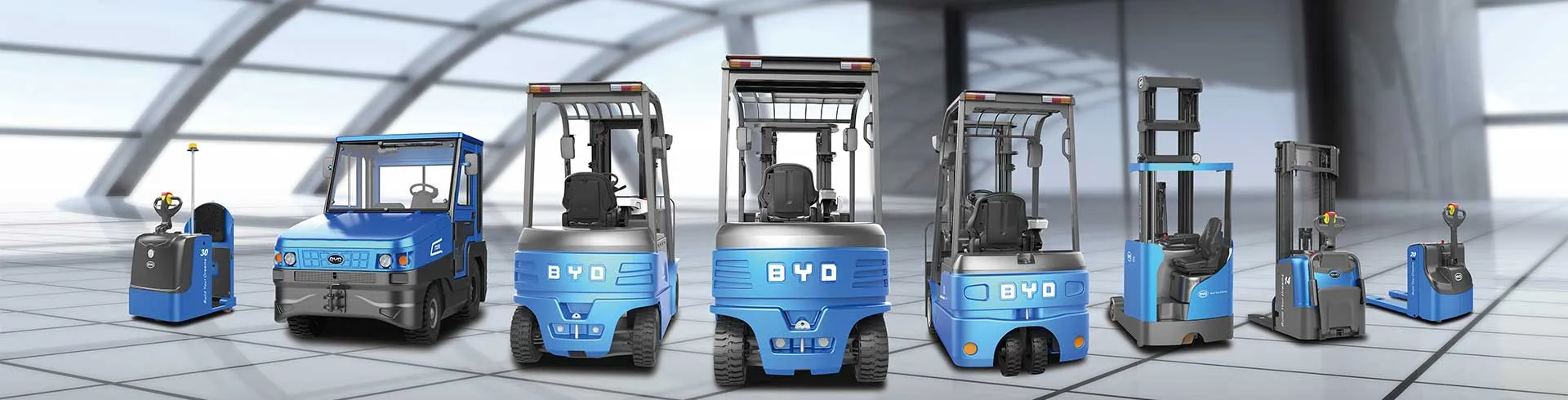
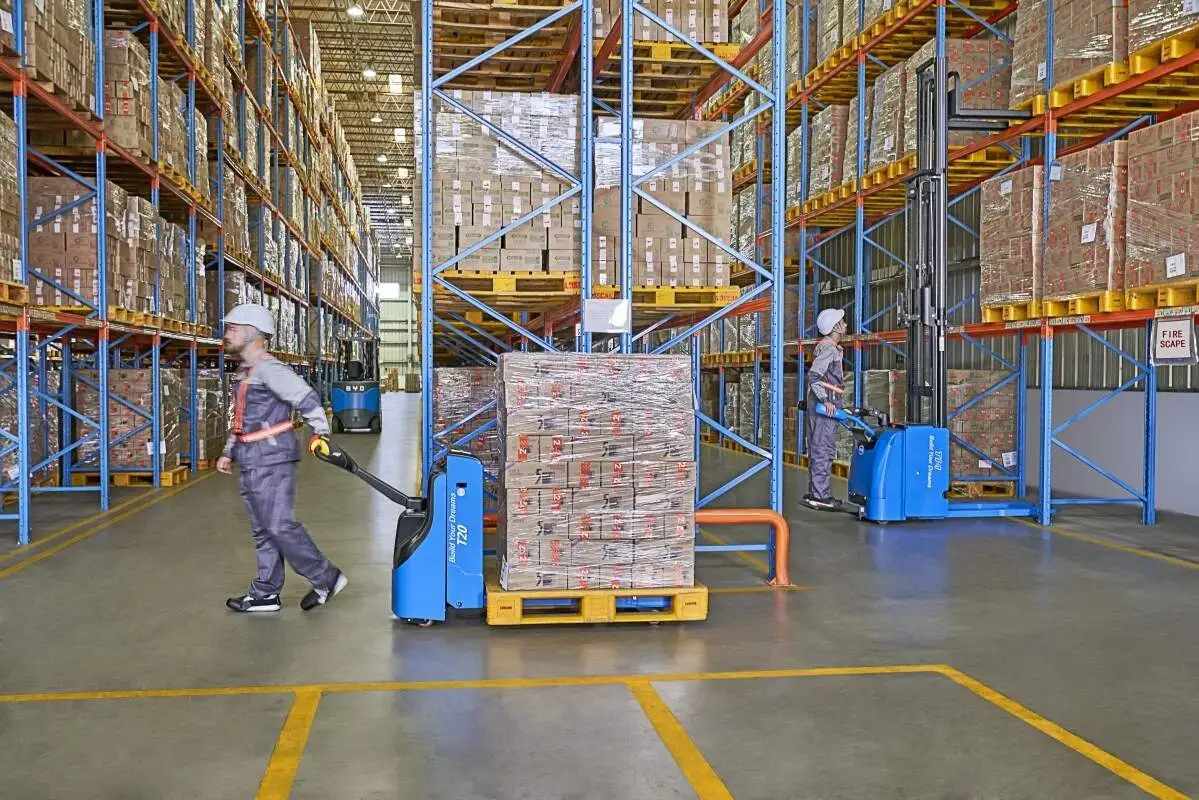
The gantry configuration of the electric forklift directly affects the operation efficiency and scene adaptability. For the type and selection of the gantry of the 1.6-ton electric forklift, it is necessary to comprehensively consider the operation requirements.
The door frame configuration is mainly divided into three categories: the standard door frame has a stable structure, convenient operation and maintenance, suitable for flat handling and low-level cargo loading and unloading, and suitable for pallet handling scenarios in ordinary warehouses; the three-section door frame can achieve a larger lifting height, expand the vertical working space, meet the needs of multi-layer cargo stacking, and is suitable for high-level storage and picking in logistics transit warehouses; when the door frame is lifted freely, it does not exceed the body as a whole, and is suitable for indoor operations with narrow spaces, such as cold storage or narrow channel storage, to avoid collisions between the door frame and obstacles.
The selection of different working conditions needs to match the core requirements: conventional storage and handling and moderate passages can be met by standard gantry; high-level stacking needs to be lifted by more than 5 meters, and three-section gantry is more suitable; narrow passages with limited space, free lifting gantry can effectively utilize space and ensure operation safety. When selecting the type, it is also necessary to take into account the details such as the height of the site and the number of stacked layers of goods to ensure the accurate adaptation of the gantry configuration to the operation scene and improve the overall operation efficiency.


