
 简体中文
简体中文 Deutsch
 日本語
日本語 한국어
한국어 Tiếng Việt
 Русский
 ไทย
ไทย Bahasa Indonesia
 Bahasa Melayu
 Filipino
 لالعربية
 Français
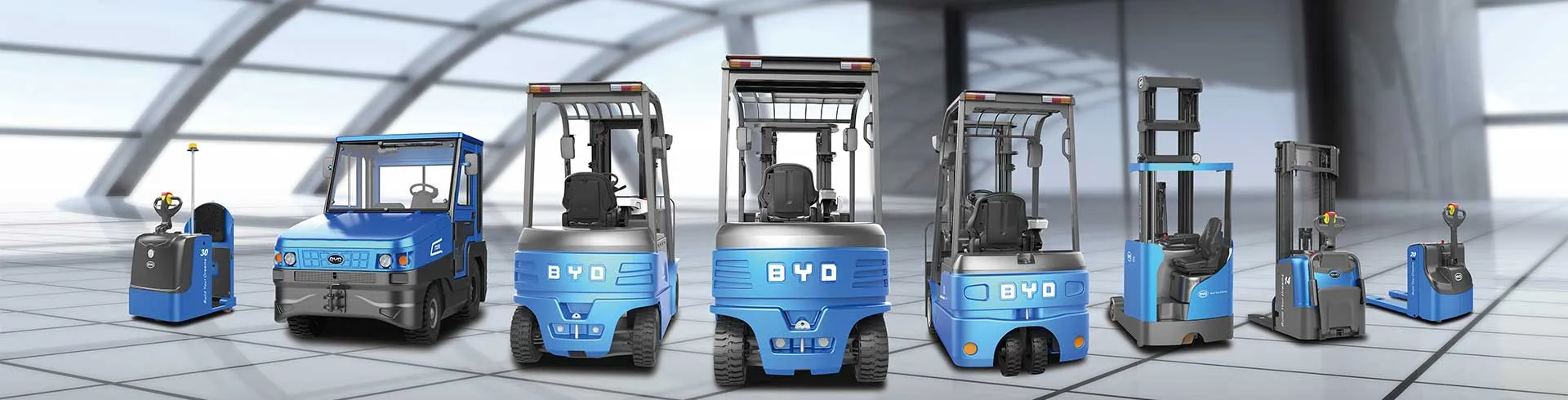
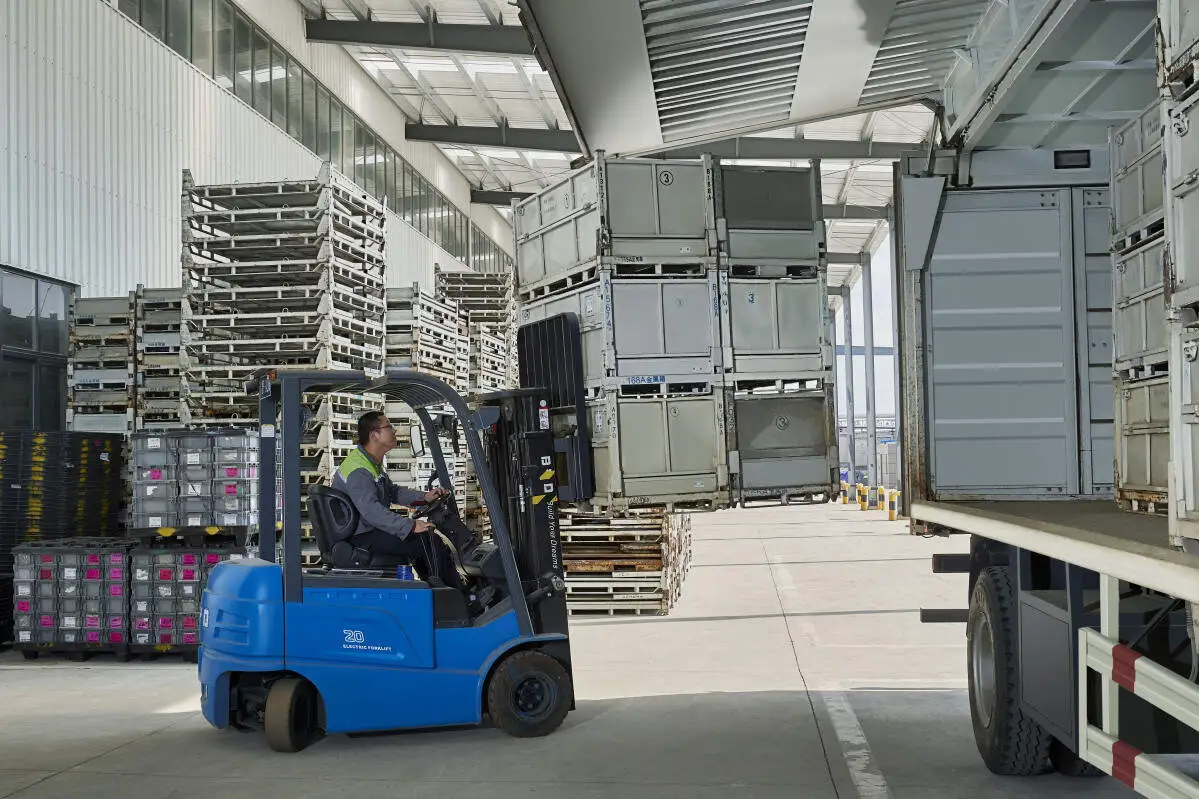
In the waste recycling scene, the forklift clip is the core accessory for processing various types of waste, and its supporting wear-resistant splint directly affects the operation efficiency and equipment service life. For the customization of wear-resistant splints suitable for mainstream electric forklifts, it is necessary to combine the particularity of waste recycling operations and consider the customization details from multiple dimensions to ensure the practicality and adaptability of the accessories.
Material selection is the core link in the customization of wear-resistant splints. In the waste recycling operation, the splint needs to be frequently exposed to sharp and heavy waste, so the material needs to have high strength, wear resistance and impact resistance. When customizing, wear-resistant alloy steel and other materials can be preferred, which can effectively resist the scratch and impact of waste and prolong the replacement cycle of the splint. At the same time, according to the type of waste in the operation scene, such as metal waste, plastic waste, etc., the hardness and toughness ratio of the material should be adjusted to ensure that it is suitable for different operation needs.
The structural design needs to consider both adaptability and practicality. The wear-resistant splint needs to be accurately matched with the structure of the forklift clamp. Before customization, the size, connection method, opening and closing angle and other parameters of the clamp need to be clarified to ensure that the splint can smoothly cooperate with the clamp to complete the grasping and handling actions after installation. In addition, in view of the irregular shape of the waste in the waste recycling operation, a non-slip texture or a raised structure can be designed on the surface of the splint to improve the stability during grasping, avoid waste slipping, and improve operation efficiency.
Performance matching needs to fit the overall operating requirements of the forklift. When customizing the wear-resistant splint, it is necessary to match the overall performance of the forklift. For example, the weight of the splint needs to be controlled in an appropriate range to avoid increasing the load of the forklift and affecting the mobility and endurance of the forklift. At the same time, the opening and closing force of the splint needs to be adapted to the power system of the forklift clip to ensure that when grabbing heavy waste, the splint can provide enough clamping force without causing damage to the splint due to excessive force.
Customization process requires attention to detail control. Before customization, it is necessary to fully communicate with the supplier the requirements of operation scenarios, forklift parameters, waste types, etc., so that the supplier can accurately design the plan. After the plan is determined, samples can be made for field testing to observe the wear resistance, adaptability and stability of the splint in actual operation, and adjust and optimize according to the test results, and finally determine the mass production plan.
Overall, the customization of the wear-resistant splint for the special forklift for waste recycling needs to focus on the particularity of the operation scene and the adaptability of the forklift, and control the details from multiple dimensions such as material, structure, and performance in order to customize high-quality accessories that meet the needs and improve the efficiency of the waste recycling operation and the service life of the equipment.


