
 简体中文
简体中文 Deutsch
 日本語
日本語 한국어
한국어 Tiếng Việt
 Русский
 ไทย
ไทย Bahasa Indonesia
 Bahasa Melayu
 Filipino
 لالعربية
 Français
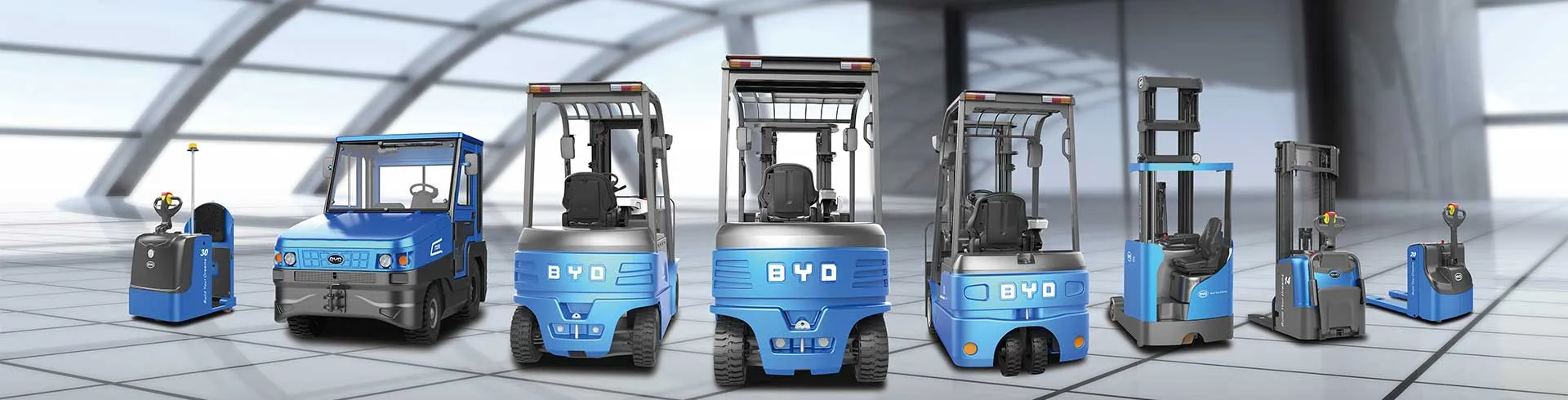
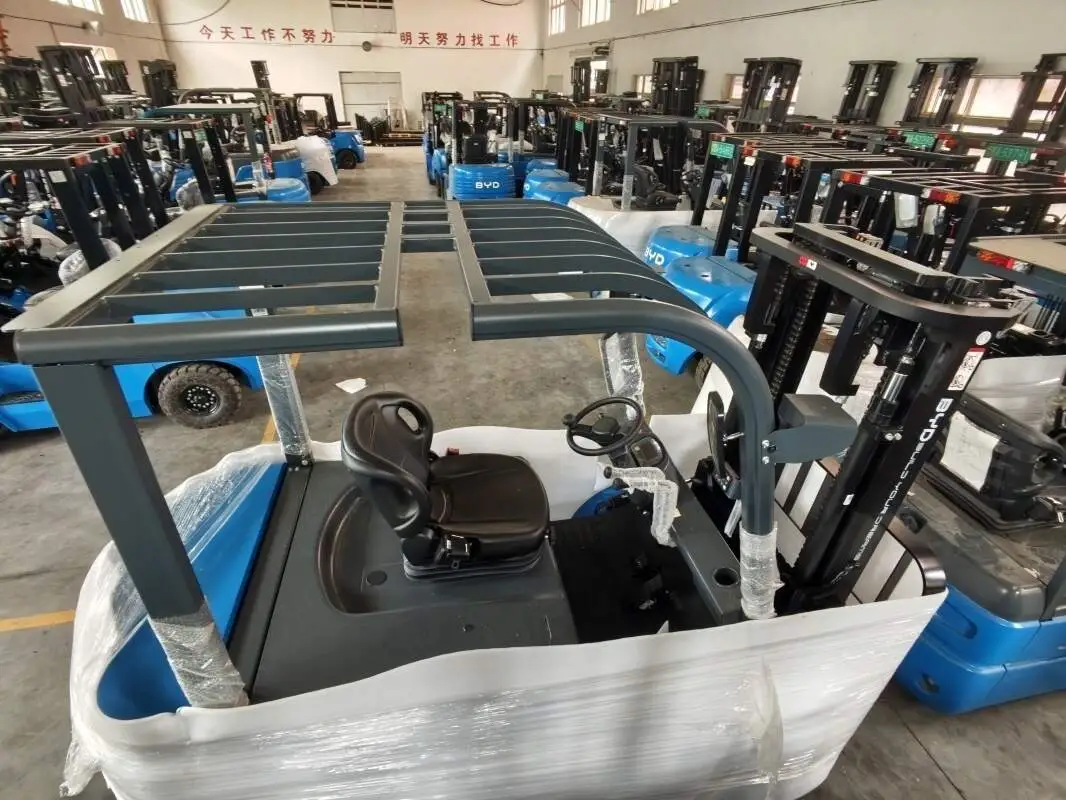
In the logistics operation scenario of the comprehensive bonded area, the turnover of goods is fast and temporary orders are frequent. Small lithium-ion forklifts have become the preferred tool for many enterprises to deal with short-term operation needs due to their environmentally friendly zero-emission, flexible body shape and convenient operation. Compared with direct procurement, short-term leasing mode can reduce the fixed investment pressure of enterprises and adapt to the changeable operation rhythm.
At present, there are three main types of common plans for short-term leasing of small lithium-ion forklifts in the comprehensive bonded area. The first type is leasing according to a fixed period, covering two core forms of daily rent and weekly rent. It is suitable for scenarios with a clear short-term operation cycle, such as temporary replenishment, short-term exhibition stocking, etc. The leasing party will do a good job of vehicle debugging and basic maintenance in advance to ensure that the vehicle can be put into use when it arrives. The second type is leasing according to the operation volume, which is based on the actual handling time or the turnover of goods. It is suitable for enterprises with large fluctuations in the operation volume and can avoid the cost waste of the empty lease period. The third type is emergency leasing services. In response to emergencies such as sudden orders or vehicle failures, the leasing party can deploy the adapted model to the designated operation area in a short time to ensure that the logistics link
Regarding the rental cost, it is mainly composed of several parts. The first is the base rent, which is the core part of the cost. According to the model specifications and rental cycle, the short-term average daily rent of a small lithium-ion forklift is generally within a reasonable range. The longer the cycle, the average daily rent will usually decrease. The second is maintenance and wear and tear costs. Most regular rental plans will include daily maintenance and replacement of wearing parts in the rent, but if the damage is caused by improper human operation, additional compensation costs may be incurred. In addition, some rental services will include third-party liability insurance, which is usually included in the overall quotation. Enterprises need to clarify the details of the terms before signing the contract. There are also a small amount of additional service fees, such as operation training for special operation requirements in the bonded area, special personnel scheduling, etc., which can be selected independently according to the needs of the enterprise.
When choosing a leasing plan, enterprises need to consider the actual needs of their own operating scenarios: if the operating cycle is clear, a fixed-period lease is preferred to obtain more stable costs; if the operating volume fluctuates greatly, the plan of charging according to the operating volume is more cost-effective; emergency leasing is used as a backup guarantee. At the same time, it is necessary to confirm in advance whether the leased vehicle meets the environmental protection and operating standards of the bonded area, clarify the inclusion of all expenses, and avoid additional expenses in the later stage. By reasonably choosing a short-term leasing plan, enterprises in the comprehensive bonded area can not only meet the needs of temporary operations, but also effectively control logistics costs and improve operational flexibility.


