
 简体中文
简体中文 Deutsch
 日本語
日本語 한국어
한국어 Tiếng Việt
 Русский
 ไทย
ไทย Bahasa Indonesia
 Bahasa Melayu
 Filipino
 لالعربية
 Français

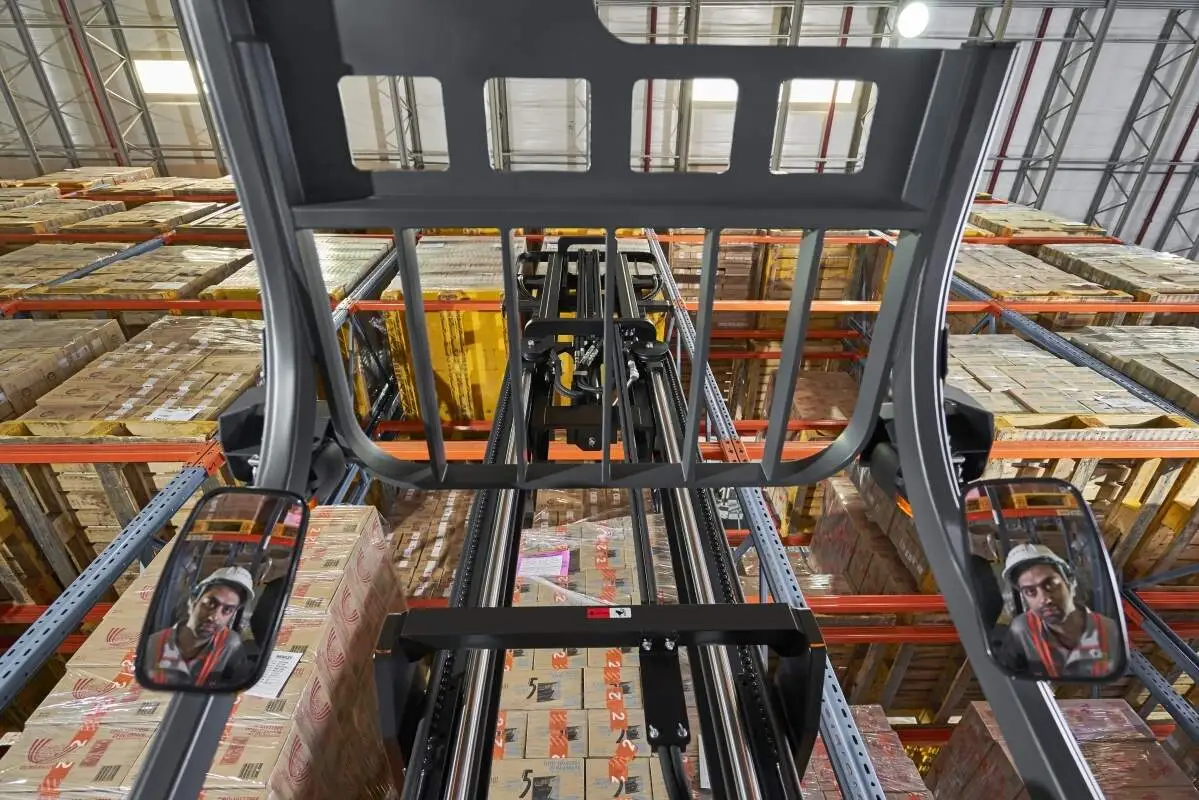
The hydraulic pump is the core component of the hydraulic system of the manual stacker, which directly affects the efficiency and safety of the lifting operation of the equipment. When the hydraulic pump has abnormal noise, weak lifting or oil leakage and other failures, timely replacement of the adapter parts is the key to restore the performance of the equipment. The following are the core precautions in the replacement process.
Before replacement, make full preparations. First of all, make sure that the stacker is in a stable parking state, pull up the parking brake and reduce the fork to the lowest position, cut off the power supply of the equipment (if equipped with an electric auxiliary system), and avoid accidents during operation. Then it is necessary to perform pressure relief operation on the hydraulic system, slowly loosen the exhaust valve of the hydraulic oil tank, and then close it after the system pressure is fully released to prevent the danger of hydraulic oil splashing during disassembly. At the same time, prepare the corresponding type of hydraulic pump accessories, special disassembly tools, cleaning rags and sealants and other materials to ensure that the specifications of the accessories are consistent with the original requirements, and avoid subsequent failures due to mismatch of accessories.
The dismantling process needs to pay attention to details and specifications. First clean up the dust and oil around the hydraulic pump to prevent impurities from entering the hydraulic system. During the dismantling process, mark the installation position of each component, such as the order of bolts and the orientation of seals, to avoid dislocation during subsequent installation. When dismantling the connection between the hydraulic pump and the hydraulic pipeline, use a container to catch the outgoing hydraulic oil to avoid oil waste and environmental pollution. When taking out the old accessories, act gently to avoid forcibly prying and damaging the surrounding valve body or pipeline. If you encounter a stuck part, you can use special tools to assist in dismantling, and do not operate violently.
When installing new accessories, you need to strictly follow the operating specifications. First check the appearance of the new accessories for cracks, scratches and other defects to confirm the integrity of the seal. When installing, reset the parts one by one according to the marked position. When tightening the bolts, you need to use a cross-symmetrical method to control the torque and avoid deformation of the parts or oil leakage caused by excessive loosening of the bolts. When replacing the seals, you need to apply a small amount of clean hydraulic oil to the surface of the seals to facilitate installation and enhance the sealing. It is forbidden to use aging or damaged seals. After completing the installation of the accessories, reconnect the hydraulic pipeline to ensure that the interface is tightly fitted without loosening.
After the installation is completed, a test machine inspection is required. First add hydraulic oil that meets the specifications to the hydraulic oil tank to eliminate the air in the system. After starting the equipment, operate the fork for multiple lifting operations, observe whether the hydraulic pump has abnormal noises and oil leaks, and check whether the lifting speed of the fork is uniform and stable. If any abnormality is found, it is necessary to stop the machine immediately for inspection, check whether the accessories are installed in place and the pipeline is blocked, and confirm that there is no fault before it can be put into normal use.
In daily use, it is also necessary to regularly maintain the hydraulic pump, maintain the cleanliness of the hydraulic oil, and replace the hydraulic oil and filter element on time to avoid impurities entering the hydraulic system and causing wear and tear of accessories, thus prolonging the service life of the hydraulic pump.


