
 简体中文
简体中文 Deutsch
 日本語
日本語 한국어
한국어 Tiếng Việt
 Русский
 ไทย
ไทย Bahasa Indonesia
 Bahasa Melayu
 Filipino
 لالعربية
 Français
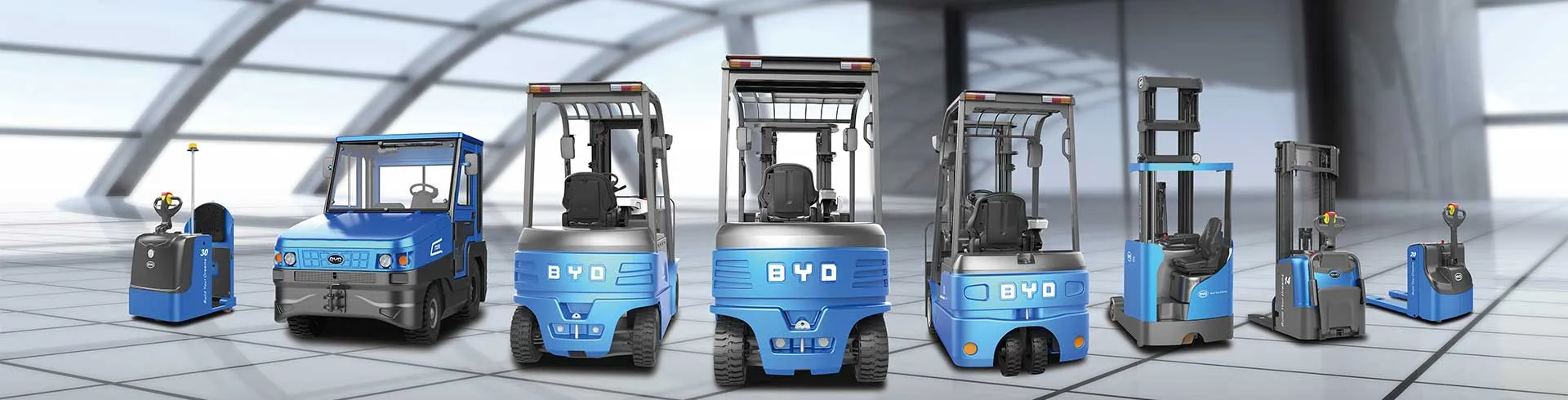
With the wide application of electric forklifts in warehousing, logistics, factory handling and other scenarios, electric forklifts with lithium batteries as power sources have gradually become the mainstream due to their advantages of environmental protection, high efficiency and easy maintenance. The service life of lithium batteries is closely related to the charging method, and users are often concerned about "whether it can be charged at any time" and "whether it is harmful to overcharge". This article combines the characteristics of lithium batteries with actual operation specifications to answer relevant questions in detail and provide charging precautions.
First, the basic charging characteristics of lithium batteries
The charging and discharging mechanism of lithium batteries is different from that of lead-acid batteries. The charging process relies on the embedding and deembedding of lithium ions between the positive and negative electrodes. Modern lithium forklift batteries usually adopt a "shallow charge and shallow discharge" design, that is, the single charge and discharge amount is controlled between 20% and 80% of the battery capacity, which can effectively extend the cycle life. The battery management system (BMS) will monitor the voltage, current, temperature and other parameters in real time to ensure that the charging process is carried out within the safety threshold.
Second, can it be charged at any time?
#2.1 Feasibility of charging at any time
For most lithium-ion forklift batteries, it is feasible to charge at any time when the remaining battery power is not less than 20%. This is because lithium batteries do not have a "memory effect" and do not need to be booster charged after full discharge. Instead, frequent shallow charging is more in line with their chemical characteristics. For example, if the remaining power of the forklift after a single operation is 60%, charging at this time (charging to about 80%) can not only meet the needs of the next operation, but also avoid the aging of active substances caused by long-term deep discharge of the battery.
#2.2 Pay attention to the points of charging at any time
It should be noted that if the battery is deeply discharged due to unexpected conditions (such as less than 10% power), it should be avoided to charge immediately. At this time, the distribution of lithium ions inside the battery is uneven, and forced charging may cause some negative electrode materials to "precipitate lithium" (lithium ions cannot be embedded and deposited), which affects the battery capacity. It is recommended to perform a shallow discharge of 10% -20% first, and then start charging, or wait for the battery to recover naturally before operating.
Is overcharging harmful?
#3.1 The impact of overcharging on battery life
Overcharge refers to the battery charging time exceeding the full charge protection threshold set by the BMS (usually 4-6 hours, depending on the battery capacity). At this time, the lithium ions in the electrolyte inside the battery continue to be embedded in the positive electrode material, resulting in the negative electrode material not being "de-embedded" in time, causing the following problems:
Electrolyte decomposition: overcharging causes the temperature of the electrolyte to rise, and some organic solvents decompose to produce gas, resulting in battery bulging and leakage;
- Electrode structure damage: The positive electrode material falls off due to high-potential oxidation, and the negative electrode material forms "dendrites" due to excessive embedding, which may cause a short circuit after piercing the diaphragm;
Increased internal resistance: Changes in the electrode material structure increase the internal resistance of the battery, which is manifested as a decrease in battery life and charging efficiency.
#3.2 Security risks of overcharging
The battery temperature may exceed 50 ° C during overcharging. Although most lithium battery forklifts are equipped with temperature protection functions, it may still cause heat loss in extreme cases (low probability but need to be vigilant). In addition, leakage may corrode the forklift circuit or cause environmental pollution, affecting operation safety and compliance.
IV. Other precautions for charging lithium-ion forklifts
#4.1 Charging environment requirements
Avoid charging in high temperature (> 40 ° C), low temperature (
#4.2 Charging Device Specifications
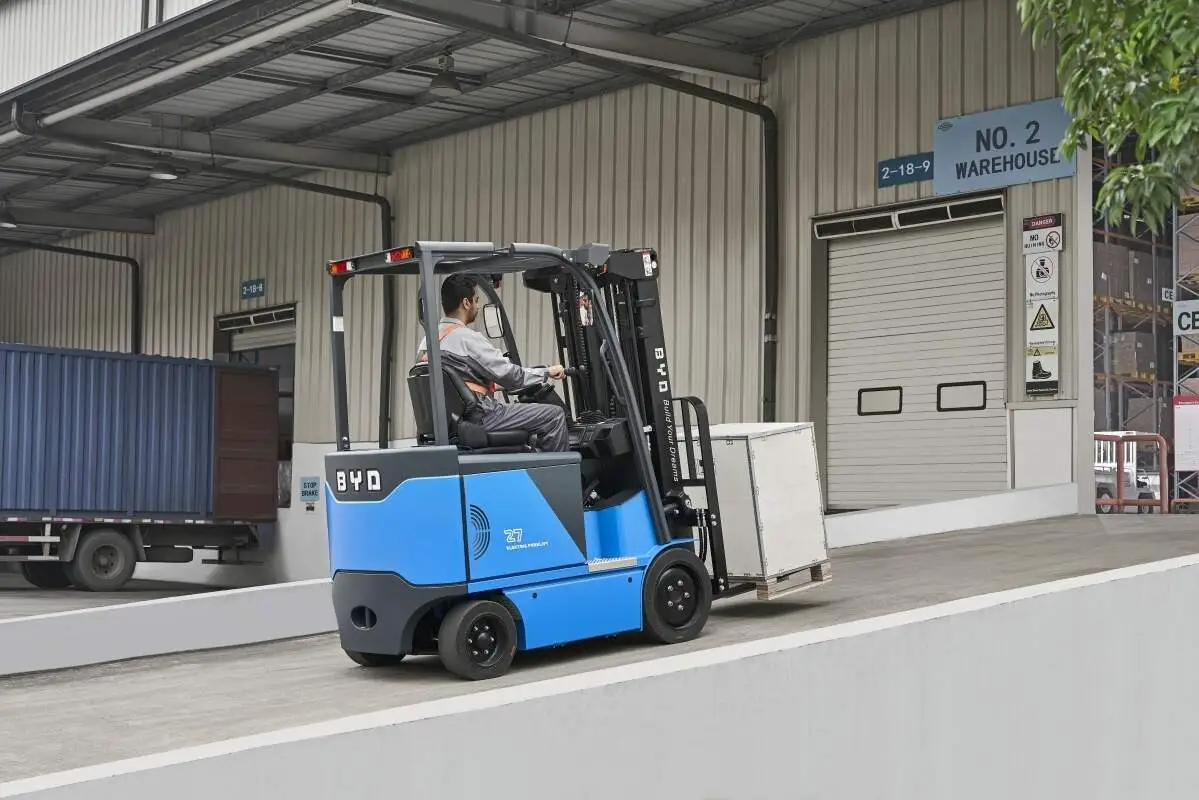
Use the original or certified charger to avoid mixing chargers of different brands or models. Before charging, check whether the output voltage and current of the charger match the rated parameters of the battery (such as 48V batteries need to match 48V chargers), and whether the plug and socket are in good contact to avoid local overheating due to poor contact.
#4.3 Charging process monitoring
When charging, someone should be on duty to observe the status of the charger indicator light (if the green light is always on to indicate full, the flashing red light may be a fault). If you find that the battery is heating abnormally (the feel is obviously hot), the charger is smoking or smelling, you need to immediately disconnect the power supply and contact a professional for maintenance.
#4.4 Daily use and maintenance suggestions
Avoid frequent "high current fast charging" and "high current discharge" alternating use, and try to keep the battery power in the range of 30% -70%. When storing the forklift for a long time, it is recommended to replenish the power to 50% every 3 months to prevent the battery from being damaged due to self-discharge.
V. Summary
Whether a lithium battery forklift can be charged at any time depends on the remaining battery power and usage scenarios: in daily operations, as long as the battery is not deeply discharged (> 20%), it can be charged at any time; overcharging will shorten battery life and increase safety hazards Threatening equipment operation. The correct use of lithium battery forklifts requires combining the principle of "shallow charge and shallow release", and doing a good job in environmental monitoring, equipment matching, process management and daily maintenance to maximize battery value and ensure the efficient and safe operation of forklifts.


