2026-06-13

ข้อควรระวังในการชาร์จรถยกแบตเตอรี่ลิเธียม: สามารถชาร์จขณะใช้งานได้หรือไม่? การชาร์จไฟเกินเป็นอันตรายหรือไม่?

ด้วยการใช้รถยกไฟฟ้าอย่างกว้างขวางในสถานการณ์ต่าง ๆ เช่นคลังสินค้าและโลจิสติกส์การจัดการโรงงานและอื่น ๆ รถยกไฟฟ้าที่มีแบตเตอรี่ลิเธียมเป็นแหล่งพลังงานได้กลายเป็นกระแสหลักเนื่องจากข้อดีของการปกป้องสิ่งแวดล้อมประสิทธิภาพสูงและการบำรุงรักษาที่ง่าย อายุการใช้งานของแบตเตอรี่ลิเธียมมีความสัมพันธ์อย่างใกล้ชิดกับวิธีการชาร์จและผู้ใช้มักกังวลเกี่ยวกับคำถามเช่น "สามารถชาร์จได้ตามการใช้งานหรือไม่" และ "การชาร์จไฟเกินเป็นอันตรายหรือไม่" บทความนี้รวมคุณสมบัติของแบตเตอรี่ลิเธียมและข้อกำหนดการใช้งานจริงเพื่อตอบคำถามที่เกี่ยวข้องโดยละเอียดและให้ข้อควรระวังในการชาร์จ

1. ลักษณะการชาร์จพื้นฐานของแบตเตอรี่ลิเธียม

กลไกการชาร์จและการคายประจุของแบตเตอรี่ลิเธียมนั้นแตกต่างจากแบตเตอรี่ตะกั่วกรดและกระบวนการชาร์จนั้นขึ้นอยู่กับการฝังและการแยกลิเธียมไอออนระหว่างขั้วบวกและขั้วลบ แบตเตอรี่รถยกลิเธียมแบตเตอรี่ที่ทันสมัยมักใช้การออกแบบ "การชาร์จแบบตื้นและการคายประจุแบบตื้น" นั่นคือปริมาณการชาร์จและการคายประจุแบบครั้งเดียวจะถูกควบคุมระหว่าง 20% -80% ของความจุของแบตเตอรี่ซึ่งสามารถยืดอายุการใช้งานของวงจรได้อย่างมีประสิทธิภาพ ระบบการจัดการแบตเตอรี่ (BMS) จะตรวจสอบพารามิเตอร์เช่นแรงดันไฟฟ้ากระแสอุณหภูมิและพารามิเตอร์อื่น ๆ แบบเรียลไทม์เพื่อให้แน่ใจว่ากระบวนการชาร์จจะดำเนินการภายในเกณฑ์ความปลอดภัย

2. สามารถชาร์จได้ตลอดเวลาหรือไม่?

# 2.1 ความเป็นไปได้ของการชาร์จตามการใช้งาน

สำหรับแบตเตอรี่รถยกแบตเตอรี่ลิเธียมส่วนใหญ่ การชาร์จขณะใช้งานเป็นไปได้เมื่อพลังงานที่เหลืออยู่ของแบตเตอรี่ไม่ต่ำกว่า 20% เนื่องจากแบตเตอรี่ลิเธียมไม่มี "เอฟเฟกต์หน่วยความจำ" และไม่จำเป็นต้องชาร์จหลังจากคายประจุจนหมด แต่การชาร์จแบบตื้นบ่อยครั้งนั้นสอดคล้องกับคุณสมบัติทางเคมีมากกว่า ตัวอย่างเช่น หากพลังงานที่เหลืออยู่ของรถยกคือ 60% หลังจากการทำงานครั้งเดียว การชาร์จในเวลานี้ (ประมาณ 80%) ไม่เพียงแต่สามารถตอบสนองความต้องการในการทำงานครั้งต่อไปเท่านั้น แต่ยังหลีกเลี่ยงการเสื่อมสภาพของสารออกฤทธิ์ที่เกิดจากการคายประจุแบตเตอรี่อย่างล้ำลึกในระยะยาว

# 2.2 จุดที่ควรทราบสำหรับการชาร์จขณะใช้งาน

ควรสังเกตว่าหากแบตเตอรี่ถูกคายประจุอย่างล้ำลึกเนื่องจากสถานการณ์ที่ไม่คาดคิด (เช่นพลังงานน้อยกว่า 10%) ควรหลีกเลี่ยงการชาร์จทันที ในเวลานี้การกระจายลิเธียมไอออนภายในแบตเตอรี่ไม่สม่ำเสมอและการชาร์จแบบบังคับอาจทำให้วัสดุแอโนดบางชนิด "แยกลิเธียม" (ลิเธียมไอออนไม่สามารถฝังและสะสมได้) ซึ่งส่งผลต่อความจุของแบตเตอรี่ ขอแนะนำให้ทำการคายประจุแบบตื้น 10% -20% ก่อนเริ่มการชาร์จหรือรอให้แบตเตอรี่ฟื้นตัวตามธรรมชาติก่อนใช้งาน

3. การชาร์จไฟเกินเป็นอันตรายหรือไม่?

# 3.1 ผลกระทบของการชาร์จไฟเกินอายุการใช้งานแบตเตอรี่

การชาร์จไฟเกินหมายความว่าเวลาในการชาร์จแบตเตอรี่เกินเกณฑ์การป้องกันการชาร์จเต็มรูปแบบที่กำหนดโดย BMS (โดยปกติคือ 4-6 ชั่วโมงขึ้นอยู่กับความจุของแบตเตอรี่) ในขณะนี้ ลิเธียมไอออนในอิเล็กโทรไลต์ภายในแบตเตอรี่ยังคงฝังอยู่ในวัสดุแคโทด ส่งผลให้วัสดุขั้วลบไม่สามารถ "ลบ" ได้ทันเวลา ทำให้เกิดปัญหาดังต่อไปนี้:

- การสลายตัวของอิเล็กโทรไลต์: การชาร์จไฟเกินทำให้อุณหภูมิของอิเล็กโทรไลต์สูงขึ้นและตัวทำละลายอินทรีย์บางส่วนสลายตัวเพื่อผลิตก๊าซซึ่งทำให้แบตเตอรี่นูนและรั่วไหล

- ความเสียหายของโครงสร้างอิเล็กโทรด: วัสดุอิเล็กโทรดบวกหลุดออกมาเนื่องจากการเกิดออกซิเดชันที่มีศักยภาพสูงและวัสดุอิเล็กโทรดเชิงลบก่อตัวเป็น "dendrite" เนื่องจากการฝังมากเกินไปซึ่งอาจทำให้เกิดไฟฟ้าลัดวงจรหลังจากเจาะไดอะแฟรม

- ความต้านทานภายในที่เพิ่มขึ้น: การเปลี่ยนแปลงโครงสร้างของวัสดุอิเล็กโทรดทำให้ความต้านทานภายในของแบตเตอรี่เพิ่มขึ้นซึ่งแสดงให้เห็นว่าอายุการใช้งานแบตเตอรี่ลดลงและประสิทธิภาพการชาร์จลดลง

# 3.2 ความเสี่ยงด้านความปลอดภัยของการชาร์จไฟเกิน

อุณหภูมิของแบตเตอรี่อาจเกิน 50 ℃ในระหว่างการชาร์จไฟเกิน แม้ว่ารถยกแบตเตอรี่ลิเธียมส่วนใหญ่จะมีฟังก์ชั่นป้องกันอุณหภูมิ แต่ก็ยังสามารถทำให้เกิดความร้อนและควบคุมไม่ได้ในกรณีที่รุนแรง (ความน่าจะเป็นต่ำ แต่ต้องระวัง) นอกจากนี้การรั่วไหลของของเหลวอาจกัดกร่อนวงจรรถยกหรือก่อให้เกิดมลภาวะต่อสิ่งแวดล้อมซึ่งส่งผลต่อความปลอดภัยในการปฏิบัติงานและการปฏิบัติตาม

4. ข้อควรระวังอื่นๆ สำหรับการชาร์จรถยกแบตเตอรี่ลิเธียม

# 4.1 ข้อกำหนดสภาพแวดล้อมการชาร์จ

หลีกเลี่ยงการชาร์จในอุณหภูมิสูง (> 40 ℃) อุณหภูมิต่ำ (<0 ℃) หรือสภาพแวดล้อมที่ชื้น อุณหภูมิสูงจะเร่งอายุของแบตเตอรี่และอุณหภูมิต่ำจะลดประสิทธิภาพการชาร์จ สภาพแวดล้อมที่ชื้นอาจทำให้เครื่องชาร์จลัดวงจรหรือชิ้นส่วนโลหะของแบตเตอรี่เกิดสนิม ขอแนะนำให้เลือกพื้นที่ในร่มที่มีการระบายอากาศที่ดีและแห้งและอุณหภูมิแวดล้อมควรอยู่ที่ 15-35 ℃

# 4.2 ข้อกำหนดอุปกรณ์ชาร์จ

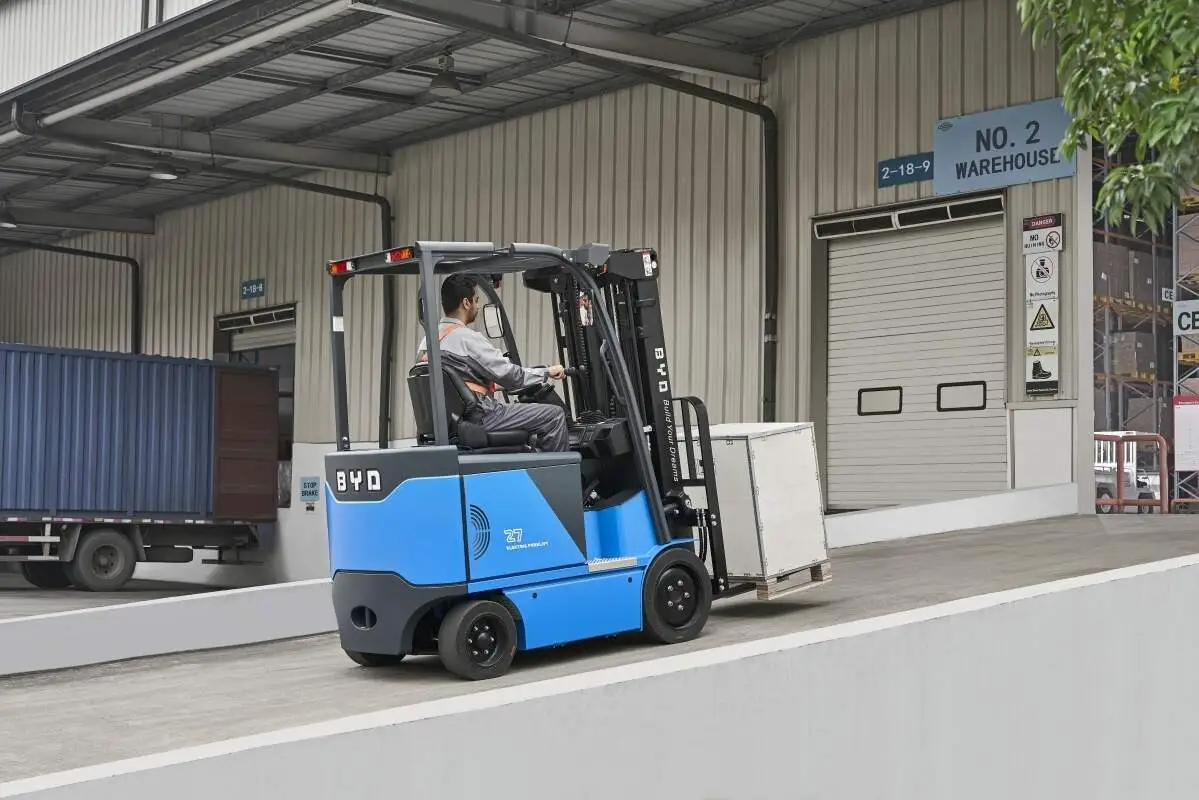
ข้อควรระวังในการชาร์จรถยกแบตเตอรี่ลิเธียม: สามารถชาร์จขณะใช้งานได้หรือไม่? การชาร์จไฟเกินเป็นอันตรายหรือไม่?(รูป1)

ใช้ที่ชาร์จของแท้หรือที่ผ่านการรับรองเพื่อหลีกเลี่ยงการผสมกับยี่ห้อหรือรุ่นที่แตกต่างกัน ก่อนชาร์จ ให้ตรวจสอบว่าแรงดันไฟขาออกและกระแสไฟของเครื่องชาร์จตรงกับพารามิเตอร์ที่กำหนดของแบตเตอรี่หรือไม่ (เช่น แบตเตอรี่ 48V ต้องตรงกับที่ชาร์จ 48V) ปลั๊กและซ็อกเก็ตมีการสัมผัสที่ดีหรือไม่ และหลีกเลี่ยงความร้อนสูงเกินไปในพื้นที่เนื่องจากการสัมผัสที่ไม่ดี

# 4.3 การตรวจสอบกระบวนการชาร์จ

ควรมีคนคอยดูแลขณะชาร์จ และสังเกตสถานะไฟแสดงสถานะของเครื่องชาร์จ (เช่น ไฟสีเขียวติดสว่างตลอดเวลาเพื่อระบุว่าชาร์จเต็มแล้ว และไฟสีแดงกะพริบอาจเป็นความผิดปกติ) หากคุณพบว่าแบตเตอรี่ร้อนผิดปกติ (รู้สึกร้อนอย่างเห็นได้ชัด) เครื่องชาร์จมีควันหรือมีกลิ่น คุณต้องถอดปลั๊กไฟทันทีและติดต่อผู้เชี่ยวชาญเพื่อทำการยกเครื่อง

# 4.4 คำแนะนำการบำรุงรักษาสำหรับการใช้งานประจำวัน

หลีกเลี่ยงการใช้สลับกันบ่อย ๆ ระหว่าง "การชาร์จเร็วกระแสไฟสูง" และ "การคายประจุกระแสไฟสูง" และพยายามรักษาพลังงานแบตเตอรี่ให้อยู่ในช่วง 30% -70% เมื่อเก็บรถยกเป็นเวลานานขอแนะนำให้เพิ่มพลังงานเป็น 50% ทุก ๆ 3 เดือนเพื่อป้องกันไม่ให้แบตเตอรี่เสียหายเนื่องจากการคายประจุเอง

5. สรุป

รถยกแบตเตอรี่ลิเธียมสามารถชาร์จได้ตามต้องการหรือไม่นั้นขึ้นอยู่กับพลังงานที่เหลืออยู่ของแบตเตอรี่และสถานการณ์การใช้งาน: ในการทำงานประจำวัน ตราบใดที่แบตเตอรี่ไม่คายประจุอย่างล้ำลึก (>20%) ก็สามารถชาร์จได้ตามต้องการ อันตรายด้านความปลอดภัยที่อาจเกิดขึ้นคุกคามการทำงานของอุปกรณ์ การใช้รถยกแบตเตอรี่ลิเธียมอย่างถูกต้องจำเป็นต้องรวมหลักการของ "การชาร์จแบบตื้นและการคายประจุแบบตื้น" และทำงานได้ดีในการตรวจสอบสิ่งแวดล้อม การจับคู่อุปกรณ์ การจัดการกระบวนการ และการบำรุงรักษารายวัน เพื่อเพิ่มมูลค่าของแบตเตอรี่ให้สูงสุดและรับประกันการทำงานที่มีประสิทธิภาพและปลอดภัยของรถยก

Whatsapp

Skype

VK

ส่งคำถาม

We use cookie to improve your online experience. By continuing to browse this website, you agree to our use of cookie.

Cookies

Please read our Terms and Conditions and this Policy before accessing or using our Services. If you cannot agree with this Policy or the Terms and Conditions, please do not access or use our Services. If you are located in a jurisdiction outside the European Economic Area, by using our Services, you accept the Terms and Conditions and accept our privacy practices described in this Policy.
We may modify this Policy at any time, without prior notice, and changes may apply to any Personal Information we already hold about you, as well as any new Personal Information collected after the Policy is modified. If we make changes, we will notify you by revising the date at the top of this Policy. We will provide you with advanced notice if we make any material changes to how we collect, use or disclose your Personal Information that impact your rights under this Policy. If you are located in a jurisdiction other than the European Economic Area, the United Kingdom or Switzerland (collectively “European Countries”), your continued access or use of our Services after receiving the notice of changes, constitutes your acknowledgement that you accept the updated Policy. In addition, we may provide you with real time disclosures or additional information about the Personal Information handling practices of specific parts of our Services. Such notices may supplement this Policy or provide you with additional choices about how we process your Personal Information.


Cookies

Cookies are small text files stored on your device when you access most Websites on the internet or open certain emails. Among other things, Cookies allow a Website to recognize your device and remember if you've been to the Website before. Examples of information collected by Cookies include your browser type and the address of the Website from which you arrived at our Website as well as IP address and clickstream behavior (that is the pages you view and the links you click).We use the term cookie to refer to Cookies and technologies that perform a similar function to Cookies (e.g., tags, pixels, web beacons, etc.). Cookies can be read by the originating Website on each subsequent visit and by any other Website that recognizes the cookie. The Website uses Cookies in order to make the Website easier to use, to support a better user experience, including the provision of information and functionality to you, as well as to provide us with information about how the Website is used so that we can make sure it is as up to date, relevant, and error free as we can. Cookies on the Website We use Cookies to personalize your experience when you visit the Site, uniquely identify your computer for security purposes, and enable us and our third-party service providers to serve ads on our behalf across the internet.

We classify Cookies in the following categories:
 ●  Strictly Necessary Cookies
 ●  Performance Cookies
 ●  Functional Cookies
 ●  Targeting Cookies


Cookie List
A cookie is a small piece of data (text file) that a website – when visited by a user – asks your browser to store on your device in order to remember information about you, such as your language preference or login information. Those cookies are set by us and called first-party cookies. We also use third-party cookies – which are cookies from a domain different than the domain of the website you are visiting – for our advertising and marketing efforts. More specifically, we use cookies and other tracking technologies for the following purposes:

Strictly Necessary Cookies
These cookies are necessary for the website to function and cannot be switched off in our systems. They are usually only set in response to actions made by you which amount to a request for services, such as setting your privacy preferences, logging in or filling in forms. You can set your browser to block or alert you about these cookies, but some parts of the site will not then work. These cookies do not store any personally identifiable information.

Functional Cookies
These cookies enable the website to provide enhanced functionality and personalisation. They may be set by us or by third party providers whose services we have added to our pages. If you do not allow these cookies then some or all of these services may not function properly.

Performance Cookies
These cookies allow us to count visits and traffic sources so we can measure and improve the performance of our site. They help us to know which pages are the most and least popular and see how visitors move around the site. All information these cookies collect is aggregated and therefore anonymous. If you do not allow these cookies we will not know when you have visited our site, and will not be able to monitor its performance.

Targeting Cookies
These cookies may be set through our site by our advertising partners. They may be used by those companies to build a profile of your interests and show you relevant adverts on other sites. They do not store directly personal information, but are based on uniquely identifying your browser and internet device. If you do not allow these cookies, you will experience less targeted advertising.

How To Turn Off Cookies
You can choose to restrict or block Cookies through your browser settings at any time. Please note that certain Cookies may be set as soon as you visit the Website, but you can remove them using your browser settings. However, please be aware that restricting or blocking Cookies set on the Website may impact the functionality or performance of the Website or prevent you from using certain services provided through the Website. It will also affect our ability to update the Website to cater for user preferences and improve performance. Cookies within Mobile Applications

We only use Strictly Necessary Cookies on our mobile applications. These Cookies are critical to the functionality of our applications, so if you block or delete these Cookies you may not be able to use the application. These Cookies are not shared with any other application on your mobile device. We never use the Cookies from the mobile application to store personal information about you.

If you have questions or concerns regarding any information in this Privacy Policy, please contact us by email at . You can also contact us via our customer service at our Site.


WhatsApp avatar

Click to Chat.

Im online now.

Hey, my name is Tim. The CPO of JXD, how can I assist you today?

WhatsApp Us

WhatsApp us