
 简体中文
简体中文 Deutsch
 日本語
日本語 한국어
한국어 Tiếng Việt
 Русский
 ไทย
ไทย Bahasa Indonesia
 Bahasa Melayu
 Filipino
 لالعربية
 Français
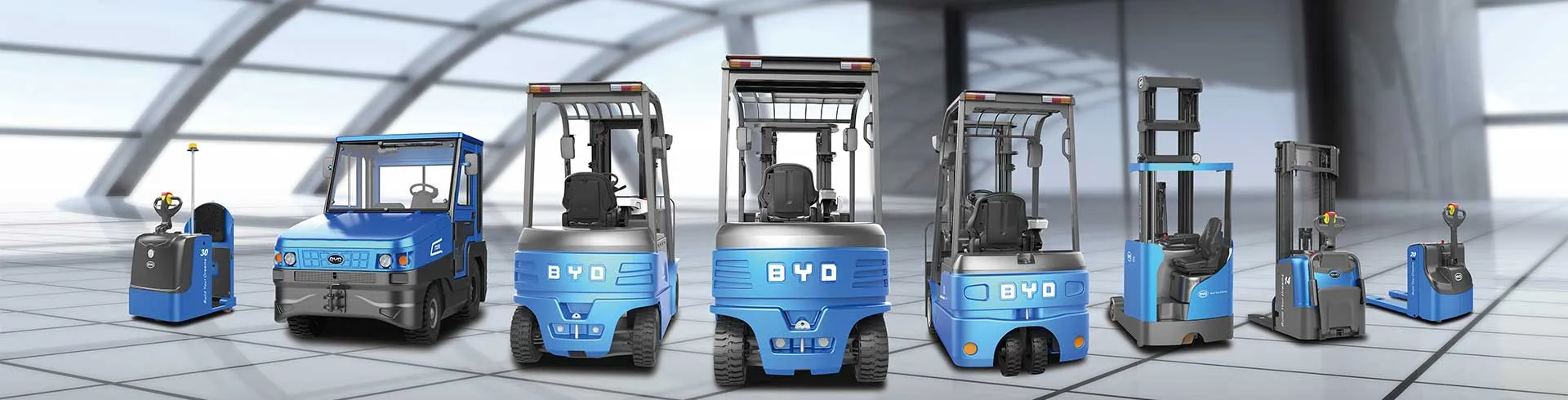
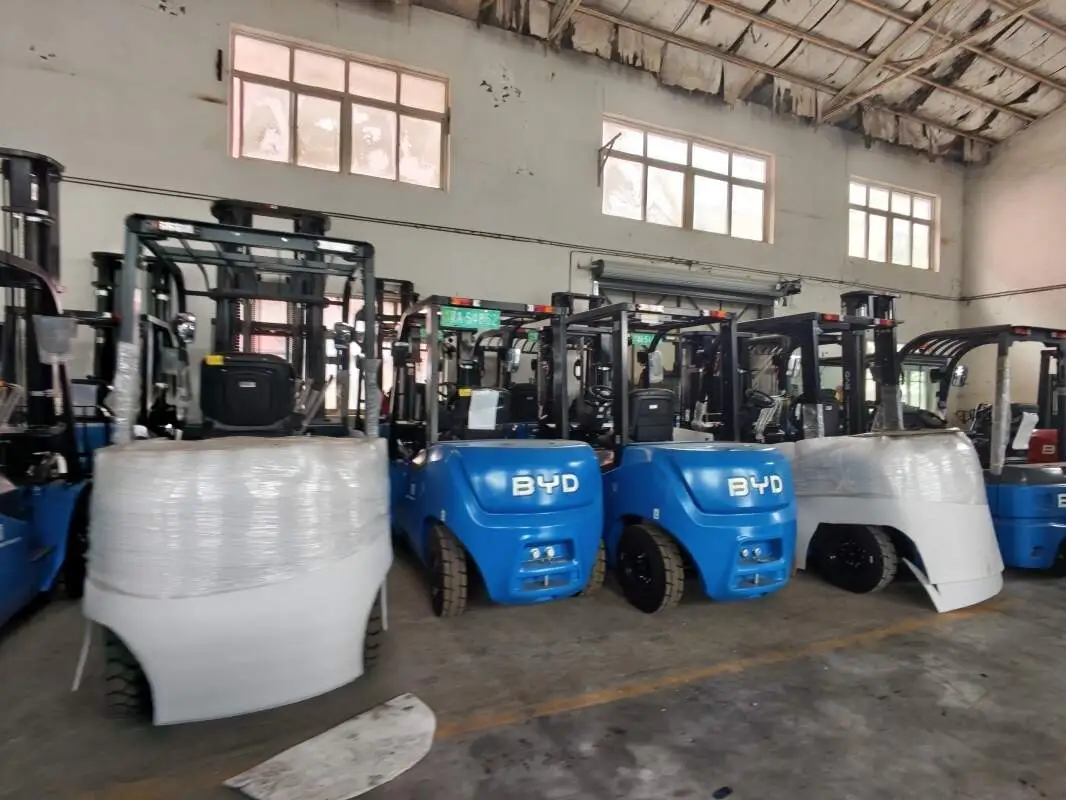
As a production scene with frequent material turnover, high-frequency transshipment is one of the core requirements of daily operations in food factories. At the same time, some workshops have strict requirements for the explosion-proof performance of transshipment equipment due to flammable and explosive risks such as flour dust and alcohol raw materials. Three-point explosion-proof forklifts have gradually become an important choice for adapting to such working conditions by virtue of their own characteristics.
From the perspective of space adaptation, the channel between the raw material warehouse of the food factory and the production workshop is usually narrow, and there is a situation where multiple equipment cross-operate, and the flexibility of the equipment is extremely high during high-frequency transfer. The turning radius of the three-point explosion-proof forklift is smaller, and it can complete in-situ steering or small-angle turning in the narrow channel, which can effectively reduce the waiting time during the transfer process, avoid channel congestion, and improve the overall turnover efficiency. In practice, the operator can adjust the driving speed according to the width of the channel. Combined with the stability of the three-point structure, it can smoothly pass through the narrow area when fully loaded, reducing the risk of material spilling.
The adaptation of explosion-proof performance is the core requirement of the working conditions of the food factory. In the workshop with flammable and explosive media, the electrical system and power components of the three-point explosion-proof forklift must meet the corresponding explosion-proof grade standards to avoid potential safety hazards caused by electric sparks and high-temperature parts. During the actual operation, it is necessary to regularly check the integrity of explosion-proof seals, explosion-proof casings and other components to ensure that there is no damage or loosening. At the same time, it is necessary to adapt to the cleaning needs of the food factory. The forklift body is made of easy-to-clean smooth materials to avoid the growth of bacteria in the residual materials. It can be quickly cleaned after each transfer, and meets the hygiene standards of food production.
In view of the operation intensity of high-frequency transfer, the endurance and stability of the three-point explosion-proof forklift are very important. In the scenario of multi-shift continuous operation, it is necessary to choose a power system with matching endurance or a configuration that supports fast charging to reduce the downtime and charging time. In addition, the high-frequency start-stop operation mode requires high braking system and body stability. The center of gravity of the three-point structure is reasonably distributed, which can keep the body stable during frequent acceleration and deceleration, and reduce the risk of material overturning. After the operator has undergone special project training, he can skillfully control the forklift, reduce operation errors, and further improve the efficiency and safety of high-frequency operations.
Finally, daily operation and maintenance is also a key link in adapting to working conditions. In addition to regular inspection of explosion-proof components, a targeted maintenance plan should be developed according to the operating environment of the food factory, such as timely cleaning of food residues in the gaps of the forklift tires to avoid pollution in the production area, to ensure that the forklift is always in good working condition, and to meet the continuous demand for high-frequency transfer.


