简体中文
简体中文 Deutsch
 日本語
日本語 한국어
한국어 Tiếng Việt
 Русский
 ไทย
ไทย Bahasa Indonesia
 Bahasa Melayu
 Filipino
 لالعربية
 Français
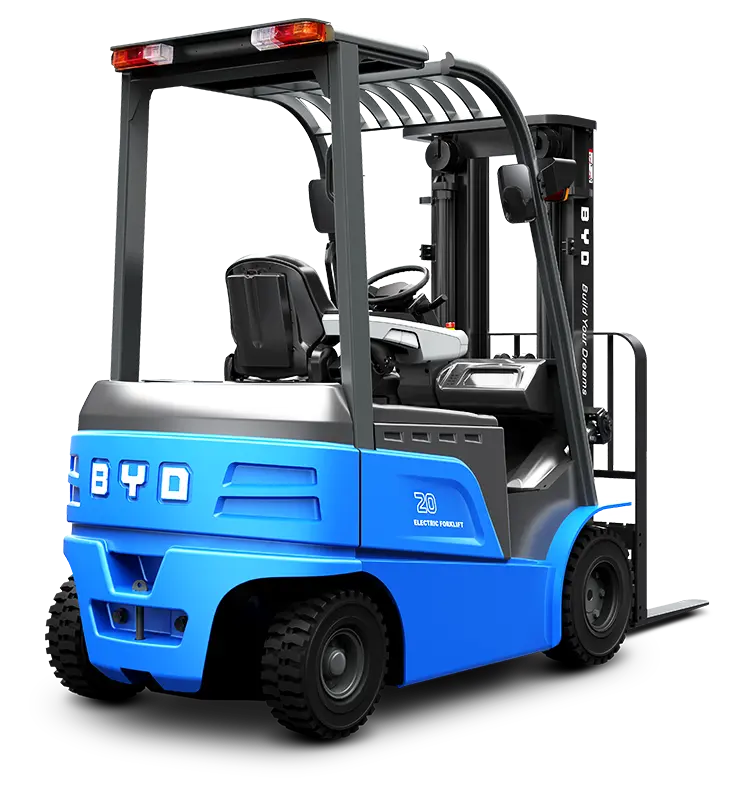
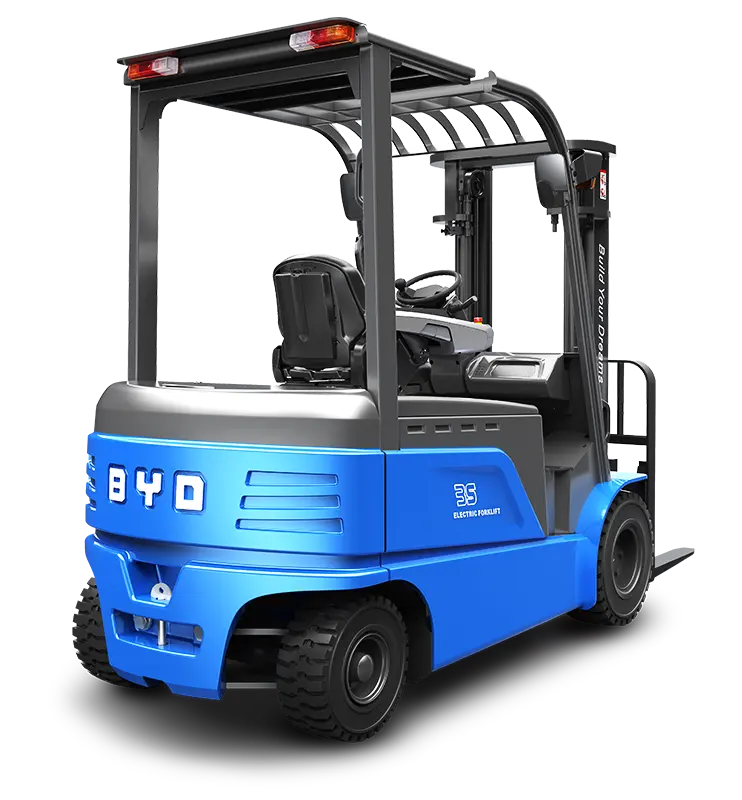
In the daily operation of electric forklifts, oil leakage from multi-way valves is a common hydraulic system failure. If not dealt with in time, it will not only cause hydraulic oil loss, but also may affect the operation stability of the equipment. The rational use of the whole vehicle's sealed dust kit can not only help solve the problem of oil leakage, but also reduce the probability of impurities invading the equipment from the source.
First, multi-way valve oil leakage maintenance steps
1. Troubleshooting: First park the electric forklift in a flat area, power off and turn off the hydraulic system switch. After the system pressure is relieved, carefully observe the oil seepage on the surface of the multi-way valve, focusing on the valve core seal, the pipeline interface and the valve body joint surface. Determine whether the oil seepage is caused by the wear of the seal, the loosening of the interface or the trachoma of the valve body.
2. Preparation for disassembly: Prepare special maintenance tools and mark parts before disassembly to avoid subsequent assembly errors. At the same time, place an oil receiving container below to collect the overflowing hydraulic oil to prevent environmental pollution.
3. Seal replacement: If it is determined that the seals are aging or worn to cause oil leakage, carefully disassemble the relevant parts of the multi-way valve, remove the old seals, clean up the oil and impurities in the sealing groove, and select the qualified seals with suitable specifications. When installing, pay attention to avoid scratching the surface of the seals to ensure that they are fully embedded in the sealing groove.
4. Assembly and test: Assemble the multi-way valve components in the order of marking, and pay attention to control the torque when tightening the interface bolts to avoid overtightening or overloosening. After the assembly is completed, start the hydraulic system and test each action at low speed to observe whether there is still oil leakage. After confirming that there is no abnormality, it can be put into normal operation.
Instructions for use of the whole vehicle sealed dust kit
1. Confirmation of adaptation: Before use, confirm the adaptation of the sealed dust-proof kit to all parts of the electric forklift, mainly covering the driver's compartment gap, hydraulic pipeline interface, electrical component protective cover, lifting mechanism connection points, and other locations that are prone to dust or oil leakage.
2. Installation preparation: Clean the installation part, remove oil, dust and old seal residues on the surface, ensure that the installation surface is dry and flat, and avoid lax sealing due to foreign objects.
3. Standardized installation: Install one by one according to the corresponding positions of each component of the kit. For the sealing strip at the gap, it is necessary to press it to closely fit the contact surface; for the dust cover at the interface, make sure to completely wrap the interface part to avoid leaving gaps.
4. Regular inspection: After the installation is completed, the fit status of the kit can be briefly checked before and after each operation. If the sealing strip is found to be displaced or the dust cover is damaged, it can be adjusted or replaced in time to ensure that it continues to play a sealing and dust-proof role.
Standardized multi-way valve oil leakage maintenance operation and the rational use of sealed dust-proof kits can effectively reduce the failure rate of electric forklifts, improve the operational reliability of the equipment, and prolong the overall service life of the equipment.