简体中文
简体中文 Deutsch
 日本語
日本語 한국어
한국어 Tiếng Việt
 Русский
 ไทย
ไทย Bahasa Indonesia
 Bahasa Melayu
 Filipino
 لالعربية
 Français
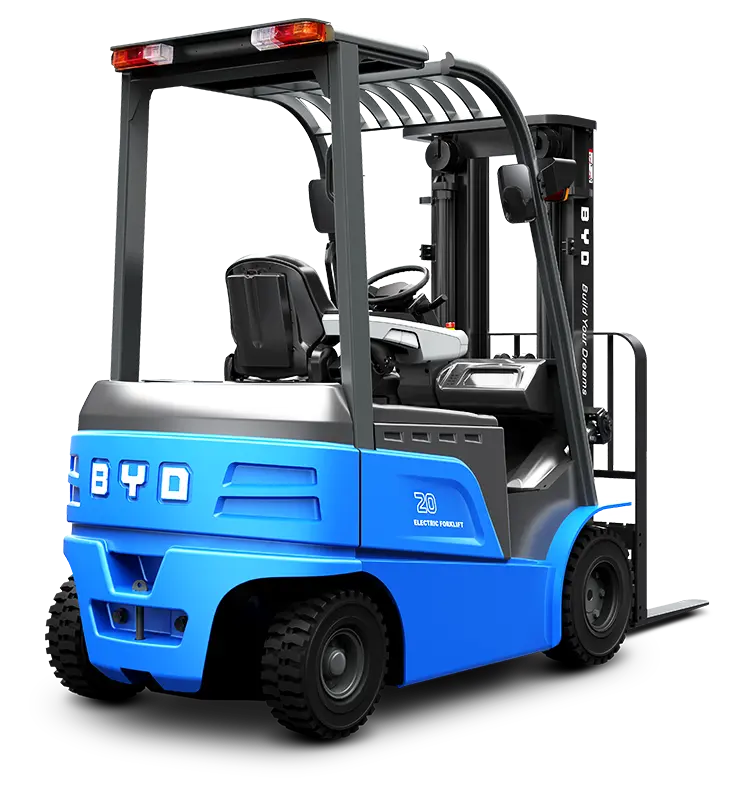
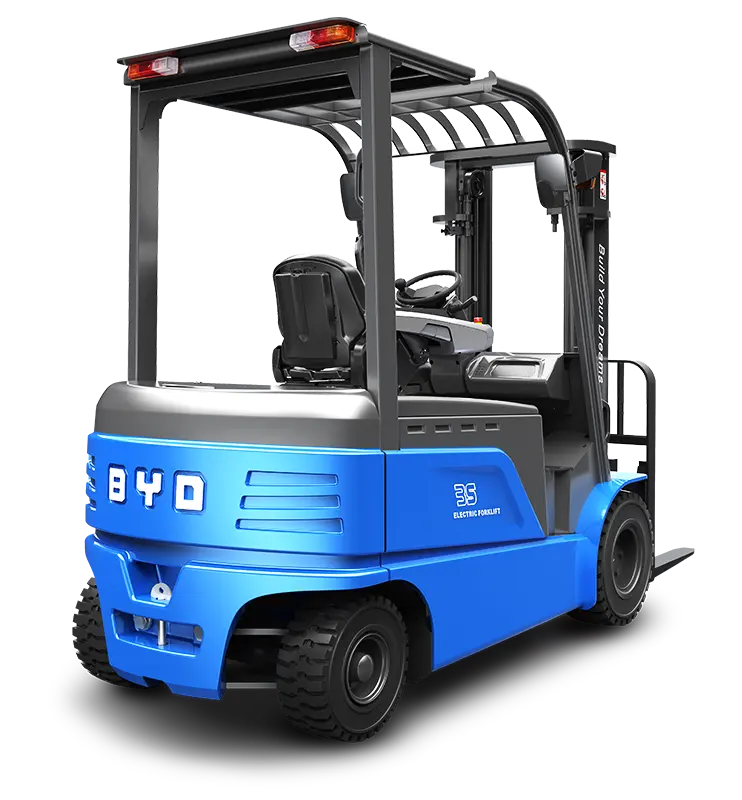
Electric forklifts are currently commonly used handling equipment in warehousing, logistics, and industrial production. According to the different types of power batteries, they are mainly divided into lithium battery forklifts and lead-acid forklifts. The characteristics of the two types of products are obviously different, and the suitable use scenarios are also different.
Energy density and battery life
The energy density of lithium batteries is generally 2 to 3 times that of lead-acid batteries. For the same weight battery pack, the range of lithium battery forklifts is usually longer, which can meet the needs of long-term continuous operation. The battery of lead-acid forklifts weighs more, occupies more body space under the same capacity, and has relatively limited battery life. It is more suitable for short-term and intermittent operation scenarios.
In terms of energy replenishment efficiency, lithium batteries support fast charging. Under normal circumstances, more than 80% of the power can be fully charged in 1 to 2 hours. In some scenarios, it can also be used at any time without long downtime. The charging cycle of lead-acid forklifts is usually 8 to 10 hours, and most of them require special charging periods, which cannot be adapted to the needs of emergency replenishment.
Use and maintenance costs
The service life of lithium batteries is generally longer. Under normal use, the number of cycles of charge and discharge can reach thousands of times. There is no need to supplement the electrolyte during daily use, and there is almost no maintenance cost. The number of cycles of charge and discharge of lead-acid batteries is generally hundreds to 1,000 times. During use, it is necessary to regularly check the electrolyte level, replenish distilled water, and regularly charge and discharge maintenance. The maintenance process is cumbersome, and the cost of labor and consumables for long-term use is higher.
In addition, lithium-ion batteries have higher energy conversion efficiency, lower power consumption under the same operating capacity, and relatively lower electricity costs for long-term use.
Environmental adaptability and use restrictions
The operating temperature adaptation range of lithium batteries is wider, and it can work normally in an environment from minus 20 degrees to 45 degrees above zero. The battery life attenuation is smaller in a low temperature environment, and it is suitable for more operating scenarios. Lead-acid batteries have poor low temperature performance, and when the ambient temperature is lower than zero, there will be obvious battery life attenuation. It may not even start normally in a sub-zero environment, and is more suitable for use in indoor storage scenarios with constant temperature.
In addition, lithium batteries have better sealing performance, do not produce acid mist leakage during use, and have less impact on the working environment. Lead-acid batteries, on the other hand, may release corrosive gases during charging and use, and need to be charged and stored in a well-ventilated area.
There is no absolute difference between the two types of forklifts. Users can choose according to their own operating hours, operating environment, and budget. If they need to operate continuously for a long time, the operating environment temperature changes greatly, and the lithium battery forklift is more adaptable, if the budget is limited, the operation scene is fixed, and the operation time is short, the lead-acid forklift is also a cost-effective choice.