简体中文
简体中文 Deutsch
 日本語
日本語 한국어
한국어 Tiếng Việt
 Русский
 ไทย
ไทย Bahasa Indonesia
 Bahasa Melayu
 Filipino
 لالعربية
 Français
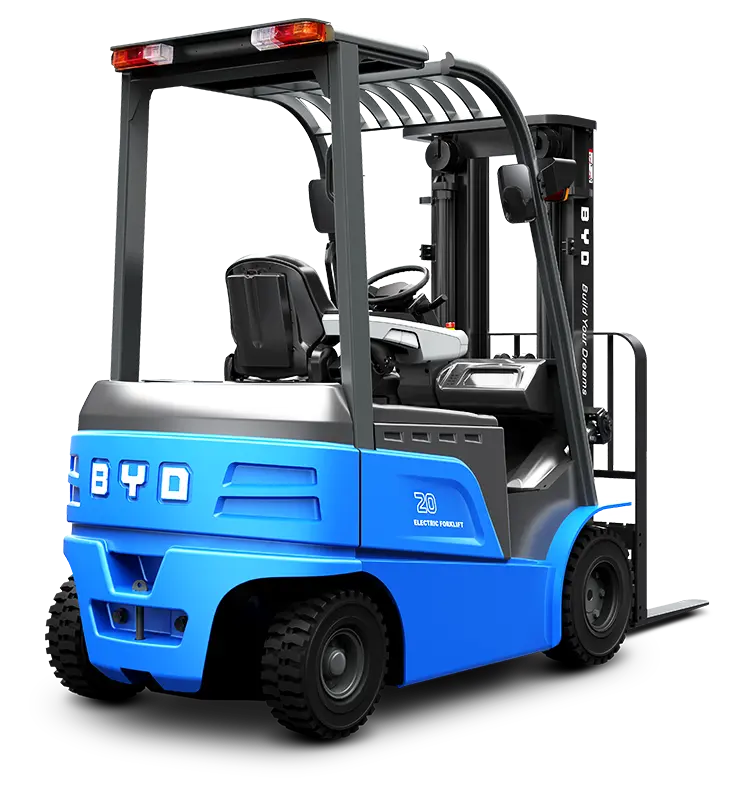
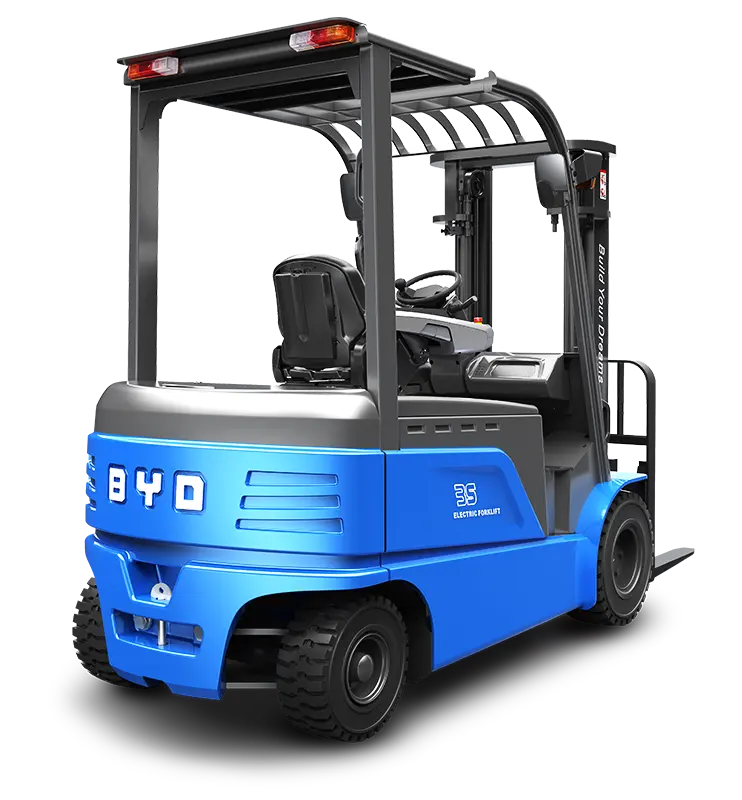
In the daily production process of the manufacturing workshop, the handling operations such as material transfer and finished product stacking are frequent and complex, which has high requirements for the practicality and adaptability of the handling equipment. As a common equipment in the current workshop handling scene, the practical application value of electric forklifts has attracted the attention of many production enterprises.
Adapt to the diverse handling needs of manufacturing workshops
Flexible coverage of multi-scenario job requirements
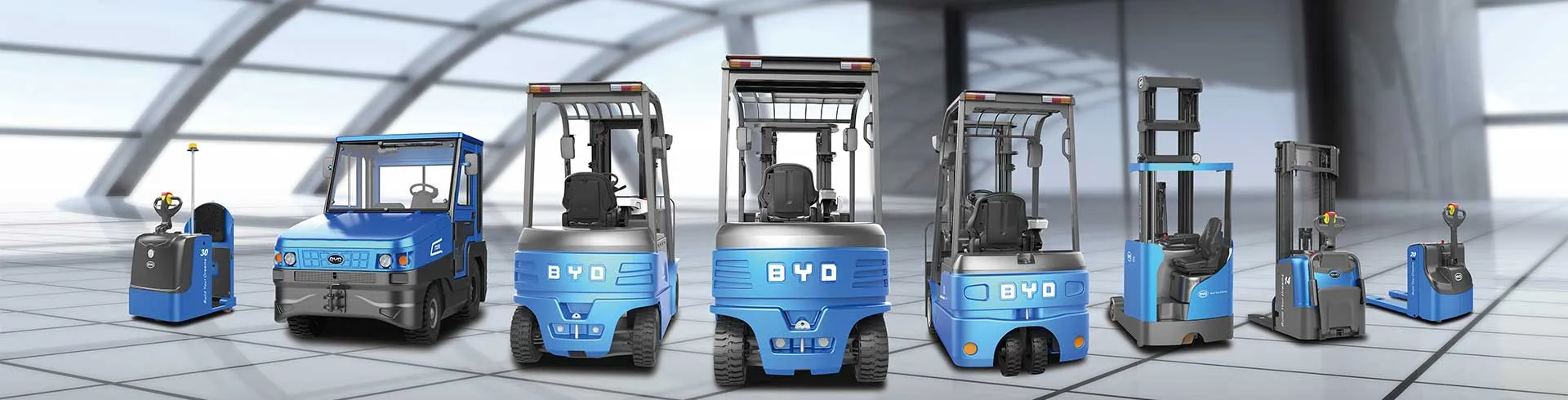
The working environment of different manufacturing workshops varies greatly, and some workshops have narrow passages, limited floor heights, and scattered operation points. Electric forklifts have a wide range of models, including walking models suitable for small-weight pallet transfer and ride-on models suitable for high-floor stacking. They have higher steering flexibility and can adapt to the operation requirements of different loads and different traffic spaces. Compared with traditional manual handling and fuel forklifts, they can better adapt to the diverse handling scenarios of the workshop.
Reduce long-term operating costs
Electric forklifts use electricity as a power source, and the energy consumption cost per unit operation time is much lower than that of fuel handling equipment. At the same time, there is no need for regular maintenance of the fuel system. Daily maintenance only requires checking core components such as circuits, tires, and hydraulic systems. Maintenance frequency is lower and maintenance costs are lower. For manufacturing workshops with high handling operation frequency, long-term use can effectively reduce the operating expenses of the handling process.
Enhance the safety and comfort of workplace operations
Reduce operational safety hazards
Electric forklifts are generally equipped with basic safety configurations such as overspeed reminders, load warnings, and anti-rollover protection, which can effectively reduce the risk of illegal operation during driver operation. At the same time, the electric forklift has low noise during operation and will not produce exhaust emissions. It will not interfere with the normal operation of other positions in the workshop, nor will it cause pollution to the air environment in the workshop. It is suitable for production scenarios with high environmental hygiene requirements such as food processing and electronic manufacturing.
Reduce the labor intensity of workers
Electric forklifts operate with simple logic, lower learning costs for beginners, less vibration during operation, and less fatigue for drivers who work for a long time. Compared with the operation mode that relies on human handling, it can greatly reduce the labor intensity of operators and reduce the risk of occupational injuries such as bumps and strains that may occur during human handling.
In line with the trend of green transformation in manufacturing
At present, many manufacturing enterprises are promoting green production transformation, and the characteristics of electric forklift zero exhaust emissions meet the relevant requirements of environmental protection production, which can help enterprises reduce carbon emissions in production links, adapt to the construction standards of green workshops, and are suitable for enterprises with low-carbon production assessment requirements.
Overall, the application advantages of electric forklifts in the handling scene of manufacturing workshops are more prominent, taking into account the multi-dimensional requirements of efficiency, cost, safety, etc., and providing practical support for the improvement of quality and efficiency in the handling process of production enterprises.