简体中文
简体中文 Deutsch
 日本語
日本語 한국어
한국어 Tiếng Việt
 Русский
 ไทย
ไทย Bahasa Indonesia
 Bahasa Melayu
 Filipino
 لالعربية
 Français

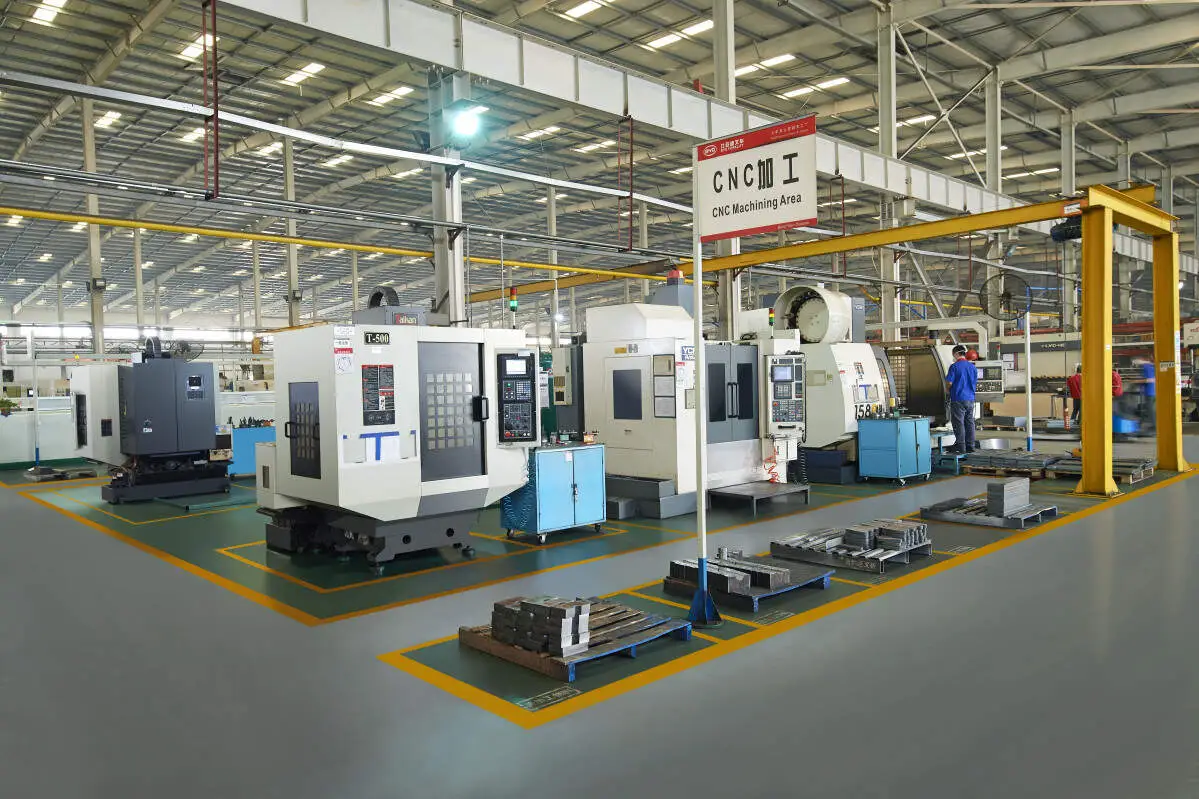
Explosion-proof operation scenarios mostly involve flammable and explosive gases, dust and other media, which are commonly found in chemical production, grain and oil storage, fireworks processing and other fields, and require extremely high safety performance of operating equipment. In recent years, new energy forklifts have gradually increased their application proportion in explosion-proof scenarios due to their advantages of low emissions, low noise and convenient operation. When selecting models, it is necessary to focus on three core requirements to avoid planting safety hazards.
First of all, it is necessary to match the scene explosion-proof level requirements.
Before selecting the type, it is necessary to clarify the explosion-proof type and division of the operation scene, determine whether it belongs to a gas explosion-proof environment or a dust explosion-proof environment, and confirm the corresponding regional hazard level. The explosion-proof level of the selected forklift should fully cover the requirements of the operation scene. It is strictly forbidden to downgrade the selection to avoid triggering the ignition of flammable and explosive media during the operation of the equipment.
To check the explosion-proof treatment process of the core components, it is necessary to confirm whether the battery pack, drive motor, and vehicle circuit system have been treated with corresponding explosion-proof and intrinsic safety, so as to avoid risks such as electric sparks and high temperature of the shell during operation, and ensure the safety of the operation from the hardware level.
Secondly, consider the suitability of the actual work.
It is necessary to choose the corresponding battery capacity based on the single-day operation time and average load weight. Explosion-proof forklifts should not be allowed to enter non-explosion-proof areas for charging at will. It is necessary to ensure that the battery life of a single full charge can cover the needs of the day's operation to avoid power outages affecting the progress of the operation.
It is also necessary to combine the channel width, ramp angle, cargo stacking height and other parameters of the operation area to select the model corresponding to the body size, lifting height, and dynamic parameters to ensure that the vehicle's traffic efficiency and operating capacity in the operation scene meet the standards.
Finally, we must pay attention to the convenience of subsequent operation and maintenance.
It is necessary to confirm the service before providing technicians with explosion-proof forklift operation and maintenance qualifications. Ordinary forklift maintenance personnel do not have the ability to repair explosion-proof parts. Improper maintenance can easily damage the explosion-proof structure of the vehicle and lose safety protection capabilities. Also confirm the stability of the supply of explosion-proof special parts to avoid subsequent problems of missing parts and long maintenance waiting periods.
Overall, the selection of new energy forklifts in explosion-proof scenarios needs to put safety compliance in the first place, and then combine the comprehensive judgment of operation requirements and operation and maintenance costs to select a model with strong adaptability, safety and reliability.