
 简体中文
简体中文 Deutsch
 日本語
日本語 한국어
한국어 Tiếng Việt
 Русский
 ไทย
ไทย Bahasa Indonesia
 Bahasa Melayu
 Filipino
 لالعربية
 Français
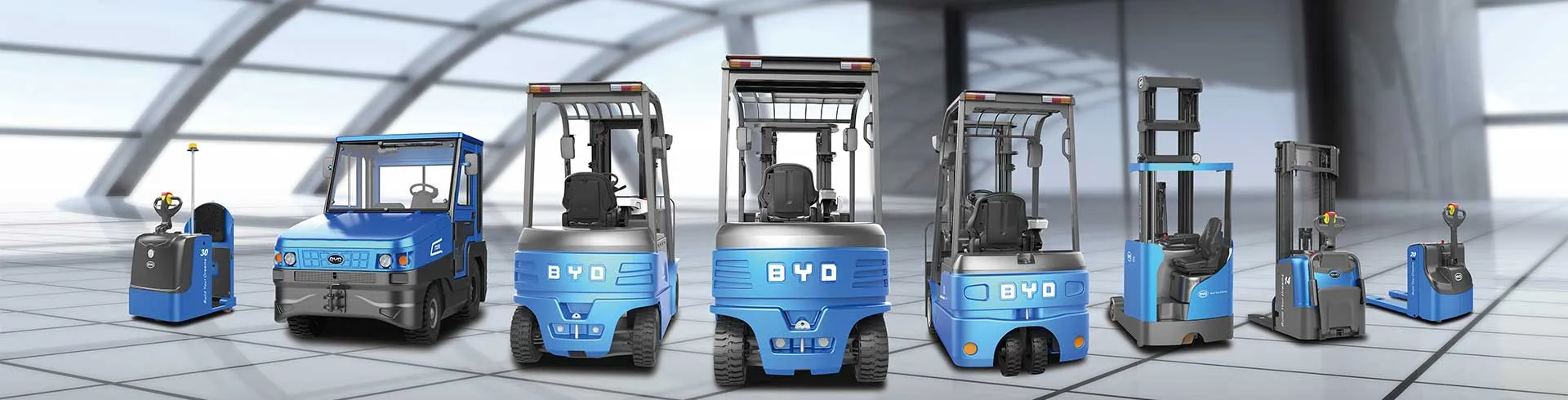
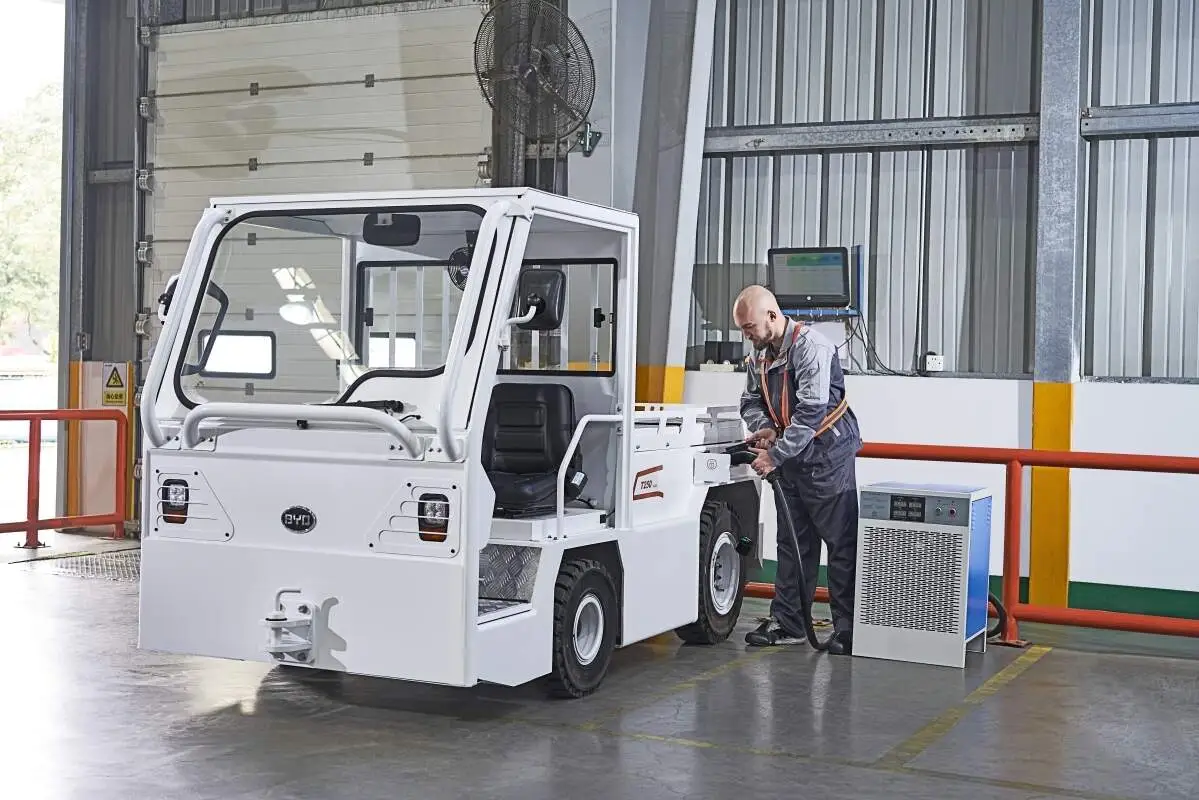
Food workshop forklift selection core considerations
Cleanliness property requirements
The food workshop has clear regulations on the discharge of operating equipment and the difficulty of cleaning the fuselage. The exhaust gas and oil pollution of traditional fuel oil equipment can easily contaminate the ingredients, which does not meet the hygiene control standards of food production. When selecting models, it is necessary to avoid equipment categories that may generate exogenous pollution and avoid unnecessary losses to production materials.
Job scene adaptation requirements
The internal passages of food workshops are generally narrow, and the daily transshipment of goods is mostly raw materials and finished products packaged in whole boxes. The single transshipment weight is mostly concentrated in the range of 1 to 3 tons. In some scenarios, it is also necessary to take into account the diverse needs of entering and leaving low-temperature cold storage and dust-free production areas. The size, load-bearing capacity and battery life of the equipment must match the daily operation intensity to reduce the inconvenience of later use.
Application scenario description of 3-ton lithium battery forklift
Conventional flat floor workshop transfer scene
This type of vehicle has a compact body, a small turning radius, and can pass smoothly in a narrow channel of about 3 meters. It can meet the material transfer needs of most baking, prefabricated dishes, and snack food production workshops. The property of no exhaust and zero emissions will not affect the air in the production area. It is only necessary to wipe the surface of the fuselage during daily cleaning, without accumulating oil and dirt, and meets the hygiene control requirements of food workshops.
Operation scenarios in supporting warehousing areas
The battery life of most 3-ton lithium battery models can cover 8 hours of regular operations throughout the day, without the need for frequent replenishment in the middle. When operating in the supporting room temperature raw material warehouse and finished product warehouse, the power output is stable, and there will be no problem of sudden braking and smuggling. It can also adapt to the storage and storage needs of most light shelves, and fully match the routine logistics operation rhythm of food companies. When selecting a model, you can do further trial operations based on the actual channel width, operation time, and special environmental requirements of your own workshop, and choose the equipment that best suits your own production needs.


