
 简体中文
简体中文 Deutsch
 日本語
日本語 한국어
한국어 Tiếng Việt
 Русский
 ไทย
ไทย Bahasa Indonesia
 Bahasa Melayu
 Filipino
 لالعربية
 Français
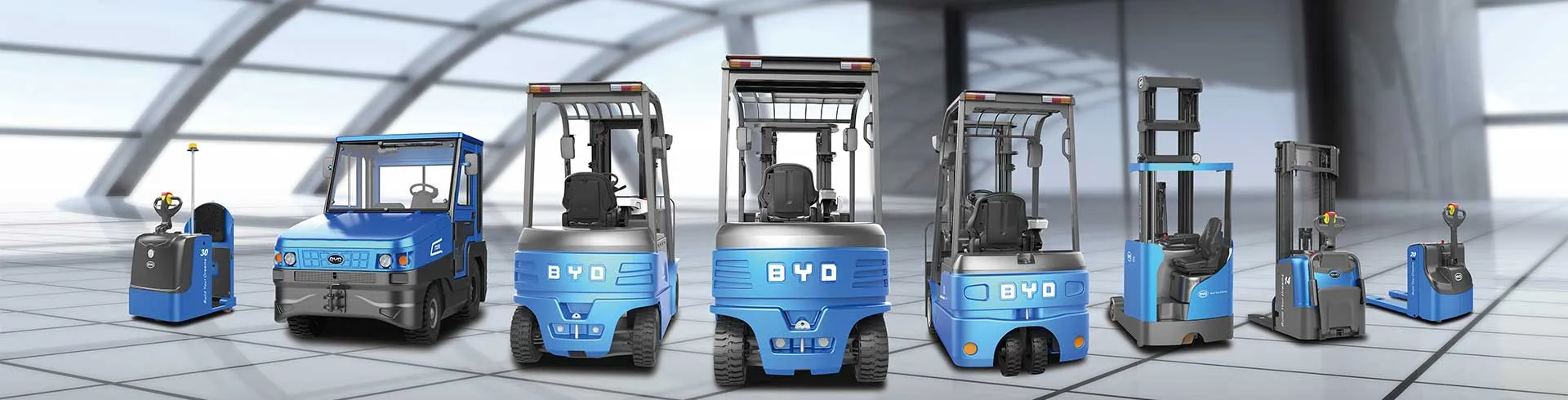
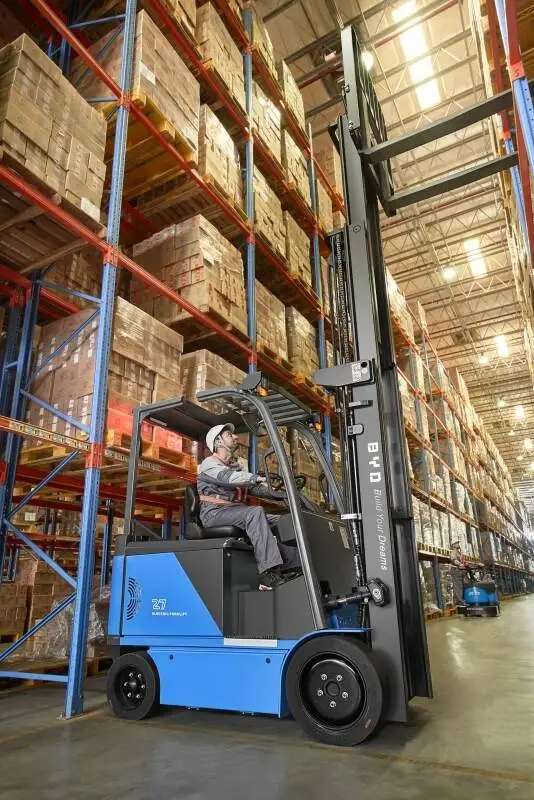
5-Ton electric forklift general purchase logic
Job Scenario Adaptation Evaluation
Before purchasing, users must first clarify their daily operation scenarios, such as whether it is indoor storage and transshipment or outdoor short barge operations, the minimum width of the operation channel, the maximum height of the daily handling of goods, and whether there are special needs such as ramp operations and low-frequency heavy loads. These basic information are the core prerequisites for selection. Do not blindly pursue redundant functions to raise procurement costs, and avoid subsequent equipment that does not match the actual operation scenarios after being purchased, resulting in unnecessary waste of resources.
core performance parameter verification
After confirming the requirements of the scene, it is necessary to check the core parameters such as the rated load, maximum lifting height, battery life, and braking safety configuration of the forklift one by one. All parameters must meet the peak usage requirements of their daily operations. Do not choose high-configuration versions that far exceed their own usage requirements, and do not choose models whose parameters do not meet the peak operation requirements in order to compress the budget. This will avoid frequent overload operation in the subsequent daily operation process and shorten the service life of the equipment.
Long-term use cost estimation
When purchasing, you can not only pay attention to the first purchase price, but also calculate the follow-up daily maintenance cost, replacement cost of accessories, quality assurance cycle coverage, and make decisions based on the cost of the whole life cycle, so as to select the model that suits your own budget requirements and reduce the hidden expenditure in the subsequent use process.
Two popular 2.5-ton electric forklifts purchase reference direction
Applicable scenarios of CPD25 model
This model is suitable for most conventional indoor warehousing and handling scenarios, with high overall operation flexibility and a smaller turning radius. It is suitable for users with limited operating channel width and daily flat warehouse transshipment. It has a low threshold for daily operation and relatively lower maintenance difficulty. It is suitable for the daily operation needs of most small and medium warehouses.
ECB25 model applicable scenarios
The vehicle body bearing structure of this model has been specifically optimized, and the stability performance of lifting operations is more outstanding. It is suitable for users who have daily high-frequency and high-lift operation requirements, often need ramp access, and outdoor short barge transfer. The performance of long-term continuous operation is more stable, and it is suitable for use scenarios with higher operation intensity.


