
 简体中文
简体中文 Deutsch
 日本語
日本語 한국어
한국어 Tiếng Việt
 Русский
 ไทย
ไทย Bahasa Indonesia
 Bahasa Melayu
 Filipino
 لالعربية
 Français
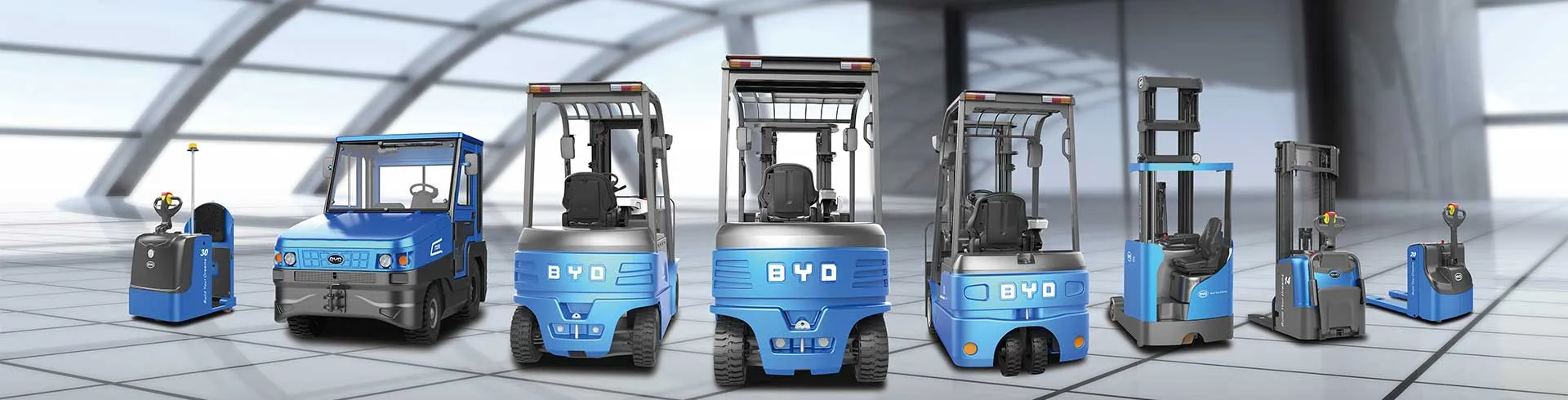
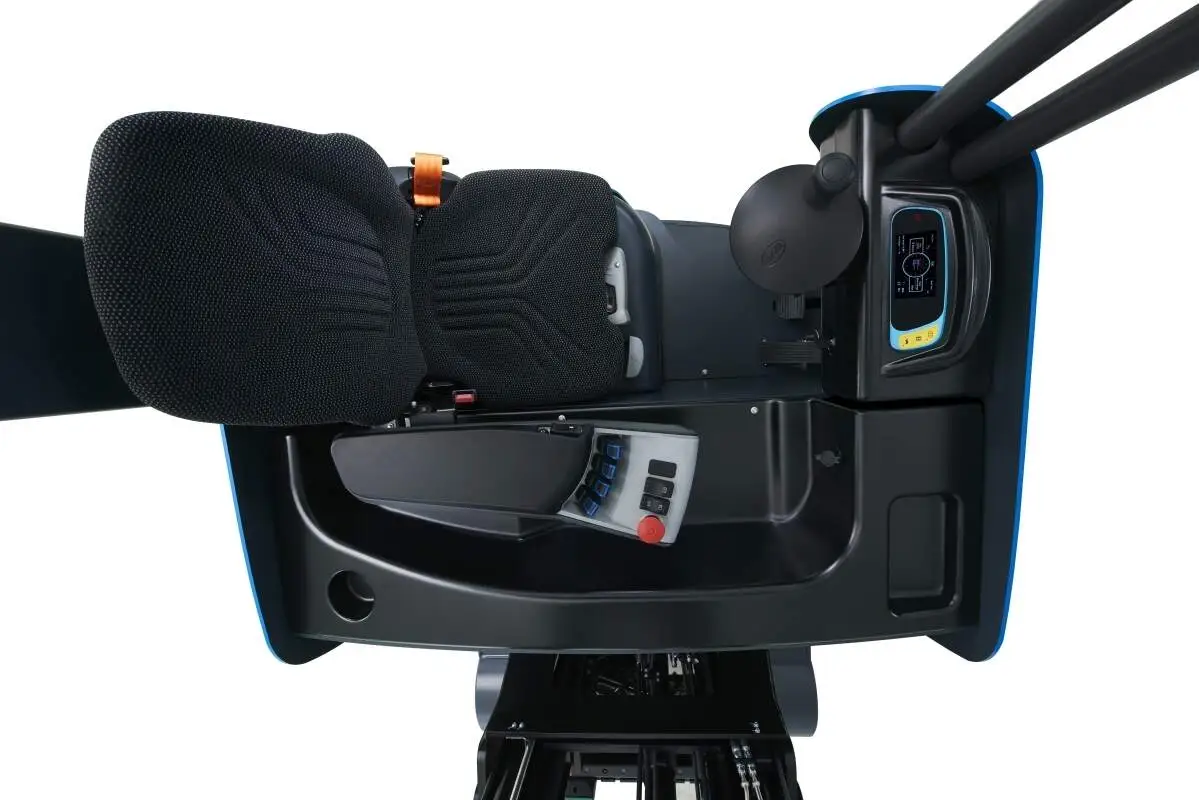
In the warehousing and logistics process, 1.8-ton forklifts are the core equipment suitable for small and medium-sized batch handling operations. The selection needs to be closely related to their actual needs to avoid blindly following the trend.
Key points of 1.8-ton forklift truck selection for warehousing and logistics
First, consider the working space dimension: narrow roadway storage environment operations need to prioritize models with a small turning radius to maximize the utilization of channel space; wide-channel operation scenarios can balance operation speed and load stability, and balance efficiency and safety.
Operating attributes and battery life are key matches: if long-term handling of standardized pallet goods requires matching the corresponding fork tooth size and lifting height to ensure smooth loading and unloading without jams; if it involves handling bulk cargo or special-shaped objects, it is necessary to pay attention to the adjustment space of the fork frame. At the same time, high-frequency operation scenarios should choose models with sufficient power and support for quick replenishment to reduce downtime.
Warehousing scene adaptation suggestions
The demand for 1.8-ton forklifts in different types of warehousing scenarios varies: the e-commerce distribution warehouse needs to focus on flexible operation due to the fast turnover of goods and the dispersion of operation points, which is convenient for multi-point rapid operation; the production raw material warehouse is relatively stable due to the handling weight, which can balance the carrying capacity and battery life, and reduce the frequency of replenishment; the operation space of the distribution warehouse in the supermarket area is generally narrow, and the compactness of the body needs to be strengthened to adapt to limited operation areas.
Finally, the selection also needs to take into account the maintenance convenience of the equipment, choose a model with easy parts procurement and simple troubleshooting, reduce long-term operating costs, and improve the comprehensive benefits of the equipment life cycle.


