
 简体中文
简体中文 Deutsch
 日本語
日本語 한국어
한국어 Tiếng Việt
 Русский
 ไทย
ไทย Bahasa Indonesia
 Bahasa Melayu
 Filipino
 لالعربية
 Français
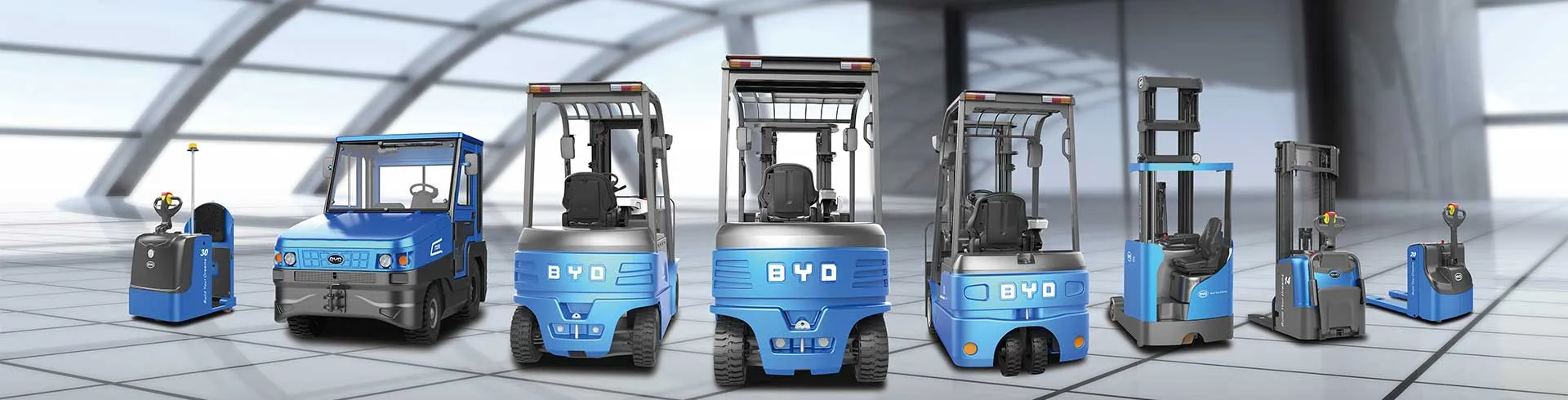
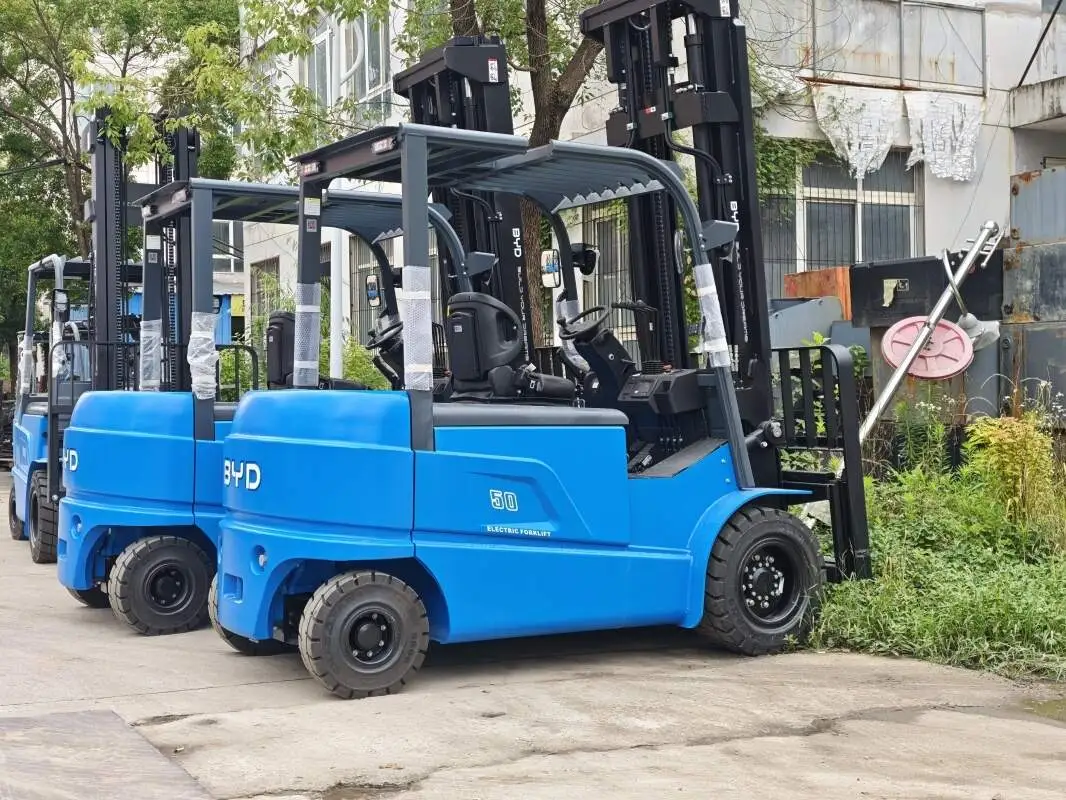
In Europe, America, and other regions, a large number of small factories are limited by production scale and site, and the handling scene presents the characteristics of compact space, high handling frequency, and variable operation path. Three-point electric forklifts have become the mainstream choice for such scenarios due to their multiple adaptability.
The first is that the space is suitable for the layout of small factories. European and American small factories are mostly compact designs, with narrow internal channel widths, and dead corners caused by columns and equipment placement in some areas. The three-point electric forklift adopts the structure of front-wheel drive + rear-wheel single-pivot steering, and the turning radius is much smaller than that of the traditional four-pivot forklift. It can smoothly complete the steering and U-turn actions in the narrow channel without reserving too much operating space. Maximize the use of the limited working area of the plant and avoid the waste of space caused by the large size of the equipment.
The second is the flexibility of operation to match the needs of high-frequency and short-distance handling. The handling in small factories is mostly short-distance and multi-frequency material transfer, such as short-distance transportation from warehouse to production line, from workstation to finished product area. The three-pivot electric forklift body is small and lightweight, and the operator can quickly adapt to its control logic. It can flexibly shuttle in the complex plant layout, reducing the waiting time in the handling process and improving the overall operation efficiency. At the same time, the electric drive mode allows the vehicle to start and stop more smoothly, avoiding material shaking caused by inertia, and is suitable for handling fragile and precision materials.
Furthermore, the advantages of environmental protection and energy consumption are in line with the requirements of the European and American markets. Europe and the United States have higher environmental protection standards for industrial production. Small factories are mostly located around cities or parks, and strict control of exhaust gas and noise pollution. Three-point electric forklifts are powered by electricity, and there is no exhaust emission during operation. The noise level is much lower than that of internal combustion forklifts, and will not cause pollution to the internal environment and surrounding areas of the plant. At the same time, the electric system has higher energy consumption efficiency and lower daily operating costs, which is in line with the needs of small factories to control operating costs.
Finally, the ease of maintenance is adapted to the operation and maintenance capabilities of small plants. Small plants usually do not have a dedicated large-scale equipment operation and maintenance team, which has higher requirements on the maintenance difficulty and cost of equipment. The structure of the three-point electric forklift is relatively simple, and there are fewer failure points in the electric system. Daily maintenance only requires regular inspection of batteries, tires and steering systems, without complicated maintenance processes. Plant staff can complete basic maintenance after simple training, reducing the threshold and cost of equipment operation and maintenance.
Overall, the multiple characteristics of the three-point electric forklift from space, operation, environmental protection to maintenance perfectly match the needs of small factories in Europe, America and other regions, which is also the core reason why it has become the preferred equipment for such scenarios in the local area.


