
 简体中文
简体中文 Deutsch
 日本語
日本語 한국어
한국어 Tiếng Việt
 Русский
 ไทย
ไทย Bahasa Indonesia
 Bahasa Melayu
 Filipino
 لالعربية
 Français

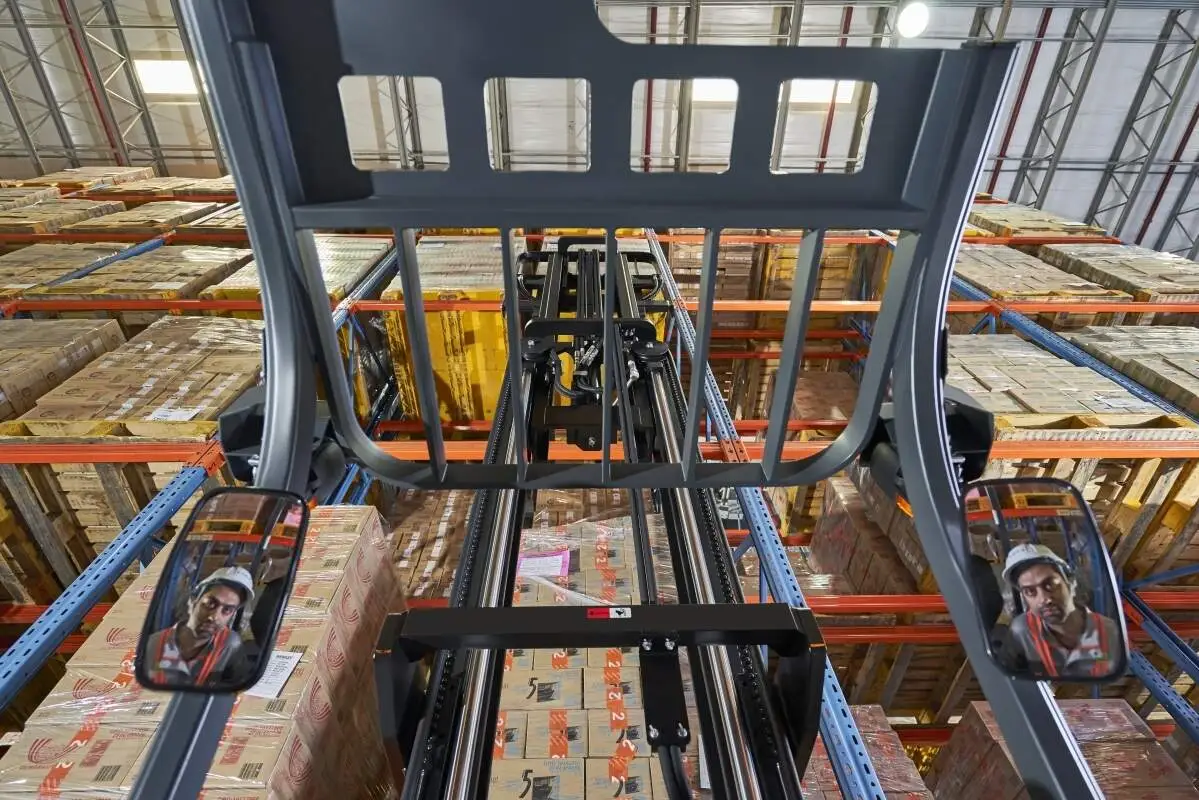
For production and warehousing enterprises with on-site material transfer requirements, forklift procurement is a relatively high category of fixed asset investment. Managing the investment and long-term returns of listed equipment can help enterprises avoid selection biases and optimize overall operating costs.
Preliminary procurement input composition
Basic hardware configuration investment
The basic procurement cost of this 3.5-ton counterbalanced electric forklift covers the full cost of the body, power system, and standard attachments. Enterprises can install additional adjustable forks, closed cabs, image assistance systems, and other optional modules according to the special needs of their own operating scenarios. The corresponding increased investment can be selected on demand according to actual use needs to avoid unnecessary waste of resources.
Preliminary investment related to supporting operation and maintenance
The proportion of supporting investment before putting it into use is not high, mainly including charging infrastructure layout and pre-job training for operating staff. The daily maintenance of the equipment only needs to complete regular component inspections according to the instructions for use, and there is no need to reserve a high replacement budget for wearing parts. The overall pre-investment measurement dimension is clear, and the enterprise can plan flexibly according to its own annual procurement budget.
Sort out the comprehensive benefits of long-term operation
Optimization of energy consumption costs during the service life
Compared with traditional on-site transfer equipment, this electric forklift has a lower power consumption per unit operating hour, and the daily charging cost is much lower than the fuel consumption cost of fuel equipment. The full battery life can cover the needs of a conventional single shift for 8 hours. There is no need to make up for it halfway to interrupt the overall transfer rhythm. Over time, it can save considerable energy consumption for enterprises.
Operational efficiency improvement brought about by scene adaptation
The equipment has high steering flexibility, low body noise, and no exhaust emissions. It can not only operate in outdoor yards, but also meet the requirements of indoor closed warehouses. It is suitable for industries that require cleanliness of the working environment, such as food and medicine. The power output of the equipment is stable, and the stability of loading and unloading goods is good, which can reduce the probability of cargo collision and loss.
Life cycle residual value performance
Equipment that is used in compliance and regularly completes routine maintenance has a long overall service life. When the enterprise has subsequent equipment iteration needs, the compliance power system recovery channel is perfect, and the residual value performance is better than that of other types of transshipment equipment of the same tonnage, which can further dilute the overall cost of use.


