简体中文
简体中文 Deutsch
 日本語
日本語 한국어
한국어 Tiếng Việt
 Русский
 ไทย
ไทย Bahasa Indonesia
 Bahasa Melayu
 Filipino
 لالعربية
 Français

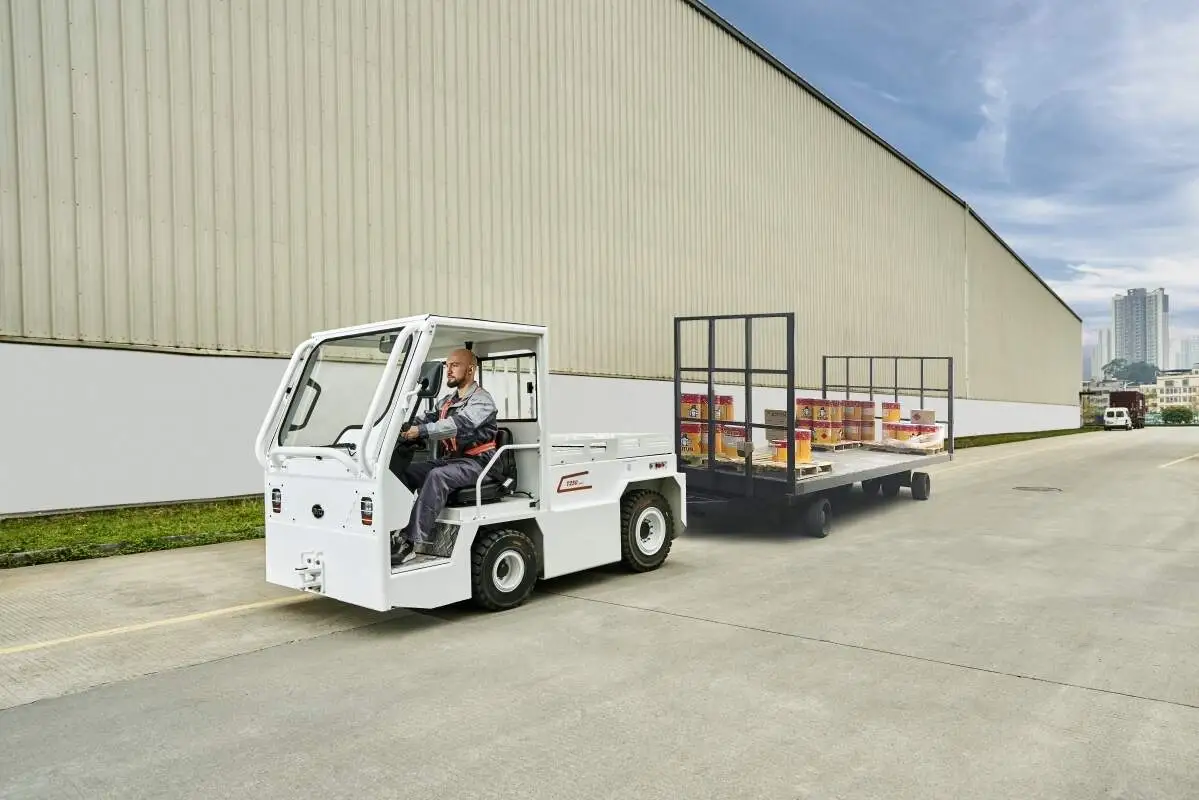
As a commonly used handling equipment in logistics and warehousing scenarios, the BYD P20JS truck is widely used due to its stable performance, but it is inevitable that various minor faults will occur after long-term operation. By mastering basic investigation methods and maintenance points, it can effectively improve the efficiency of equipment and extend its service life.
FAQ
Power system troubleshooting
Start-up difficulties are a common problem in power systems. First, check the remaining power of the power supply. If the power supply is lower than the warning value, charge it in time. Then check the power connection terminals. If there is looseness or oxidation, clean the terminals and tighten the connection. If the first two items are normal, further check whether the start switch has poor contact. In addition, if the power consumption is too fast, check whether there are frequent heavy loads or signs of battery aging. You can also check whether there is a potential leakage in the circuit.
Troubleshooting of walking system
When walking weakly, first check whether the tire pressure is up to standard. Insufficient air pressure will increase driving resistance; then listen to whether there is abnormal noise when the drive motor is running to determine whether the motor is faulty; finally check the working status of the controller to confirm whether the signal transmission is normal. If the vehicle has a deviation problem, it is necessary to compare whether the left and right tire pressures are consistent, check whether the steering system is stuck, and check whether the wear of the drive wheels is uniform. Uneven wear can also lead to walking deviation.
Hydraulic system troubleshooting
When lifting slowly, first check whether the hydraulic oil level is within the specified range. If the oil level is too low, it will affect the lifting efficiency. Then check the hydraulic oil quality. If the oil is turbid or contains impurities, it needs to be replaced in time. At the same time, check whether there are traces of leakage in the hydraulic pipeline and whether the lifting cylinder is worn. If it cannot be lifted, check whether the hydraulic pump is operating normally, whether the control valve is blocked, and whether the relevant circuit connection is abnormal.
Daily maintenance points
Daily routine check
Before the operation, complete the basic inspection: check whether the power supply is sufficient to ensure that the operation needs of the day are met; check whether the tire pressure meets the standards to avoid affecting the walking stability; confirm that the hydraulic oil level is in the normal range, check whether there is leakage in each pipeline and connection part; check whether the operation switches and handles are flexible and easy to use, without cards or malfunctions.
Regular in-depth maintenance
Monthly maintenance of the battery is required to clean the power connection terminals and remove the oxide layer. If it is a lead-acid battery, distilled water needs to be added as needed. Replace the hydraulic oil quarterly and clean the hydraulic filter to ensure the cleanliness of the hydraulic system. Conduct a comprehensive inspection of the drive motor and controller every six months, tighten all bolts to ensure that the components are firmly connected, and check whether the motor is operating normally.
Storage considerations
If the equipment needs to be parked for a long time, it is necessary to fully charge the battery first, place it in a dry, ventilated and protected from direct sunlight, and keep it away from low or high temperature areas. During the parking period, it is necessary to recharge it once a month to prevent the battery from losing power. It is necessary to start the equipment every two months to check whether the basic functions of each system are normal to avoid the failure of components due to long-term idleness.