
 简体中文
简体中文 Deutsch
 日本語
日本語 한국어
한국어 Tiếng Việt
 Русский
 ไทย
ไทย Bahasa Indonesia
 Bahasa Melayu
 Filipino
 لالعربية
 Français
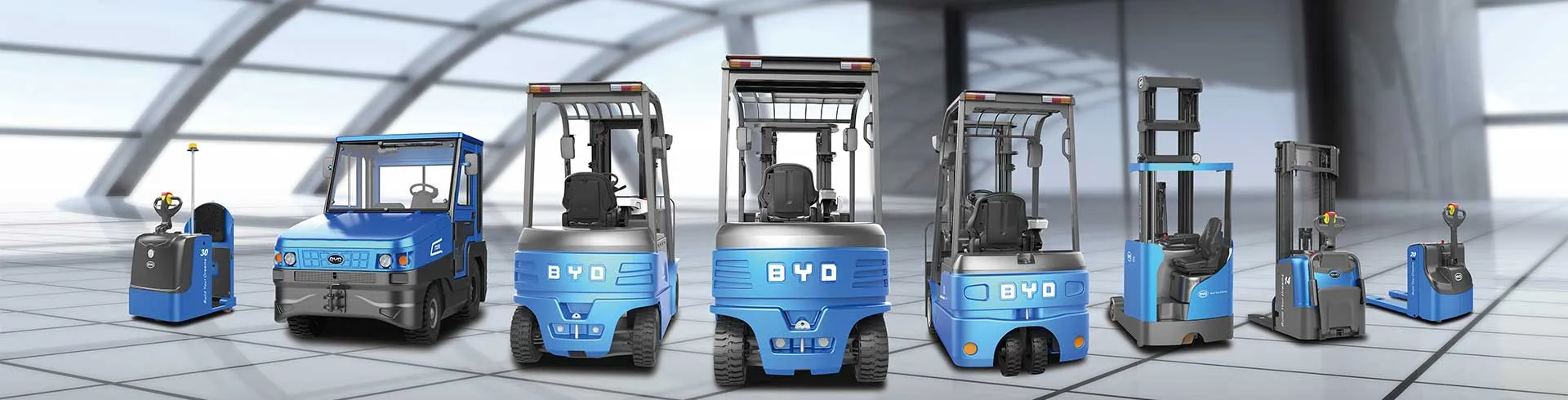
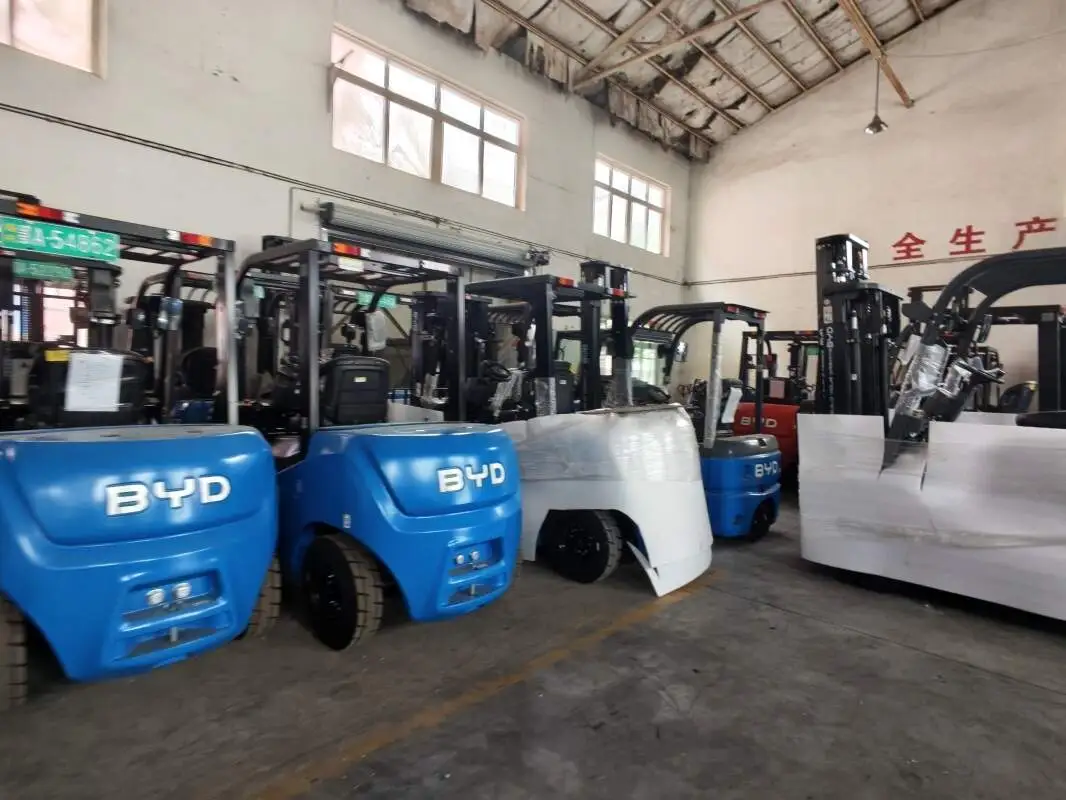
The navigation sensor of the electric forklift AGV is the core component to ensure its accurate operation. The selection of the suitable model and the standard replacement directly affect the operation stability and efficiency of the equipment. Many operation and maintenance personnel are prone to misunderstandings when replacing the sensor parts, resulting in frequent equipment failures. Therefore, it is particularly important to master the selection logic and replacement points of the suitable model.
The choice of suitable models needs to follow three core principles. First, it is necessary to match the navigation mode of the AGV. Different navigation modes correspond to different sensor parameter requirements. For example, in the laser navigation mode, the sensor needs to meet the laser scanning range and accuracy standards of the equipment; in the visual navigation mode, the sensor needs to have high definition image acquisition and fast data processing capabilities. Secondly, it is necessary to pay attention to the interface compatibility, which needs to be fully matched with the interface specifications of the equipment control system to avoid signal transmission interruptions or data deviations. In addition, it is necessary to consider the environmental adaptability. For high temperature, humid or dusty operation scenarios, it is necessary to choose the appropriate model with the corresponding protection level to ensure stable operation in complex environments.
Before replacement, it is necessary to make full preparations. First, the equipment should be completely powered off, cutting off all power connections to prevent the risk of electric shock or circuit short circuit during operation. Secondly, special tools should be prepared, including removal of wrenches, signal test instruments, etc. At the same time, check the equipment operation and maintenance manual in advance to confirm the installation position and fixing method of the sensor to be replaced. In addition, the original sensor needs to be troubleshooted to confirm whether the root cause of the fault is the sensor itself, so as to avoid replacing other parts by mistake.
The replacement operation needs to strictly follow the standard process. When disassembling the original sensor, make a good line connection mark to avoid wrong line connection during subsequent installation; for the sensor with fixed buckle, use a special tool to pry it lightly to prevent damage to the buckle or the equipment body. When installing a new sensor, make sure that the installation position is accurate, the torque of the fixing screw meets the requirements of the equipment, and avoid the displacement of the sensor due to loose installation, which affects the navigation accuracy. After the installation is completed, check the line connection one by one to ensure that each interface is firmly connected and there is no loose or false connection.
After the replacement is completed, it needs to be debugged and checked. First power on the test, use the signal instrument to detect whether the signal transmission and data collection of the sensor are normal; then carry out no-load practice running to observe whether the navigation path of the AGV is accurate, whether there is an offset or card phenomenon; if there is an abnormality, it is necessary to re-check the installation position and line connection, and fine-tune the calibration if necessary. Finally, record the replacement information, including the sensor model, replacement time and debugging results, to provide reference for subsequent operation and maintenance.
Overall, the adaptation and replacement of AGV navigation sensors for electric forklifts are key aspects of equipment operation and maintenance. Following scientific adaptation principles and operation points can effectively improve the reliability of equipment operation, reduce the incidence of failures, and ensure smooth operation.


