
 简体中文
简体中文 Deutsch
 日本語
日本語 한국어
한국어 Tiếng Việt
 Русский
 ไทย
ไทย Bahasa Indonesia
 Bahasa Melayu
 Filipino
 لالعربية
 Français
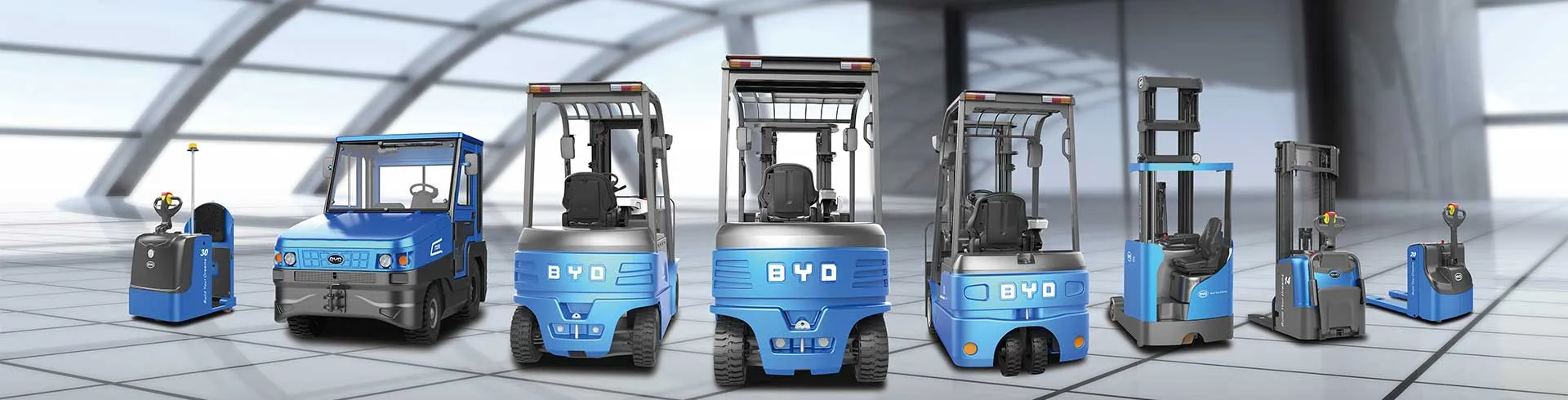

Basic energy consumption scenario reference
Conventional smooth operation energy consumption performance
In the conventional factory cargo turnover scenario, when the 5-ton load is fully loaded and continuously operated, the average energy consumption per hour of the whole vehicle is in a reasonable range of 6 to 8 kWh, and the energy consumption of light operation scenarios with a high proportion of empty driving will decrease slightly. The energy consumption of high-load operation scenarios with frequent lifting and heavy loads will rise slightly, and the overall fluctuation range is completely within the design expectations, which can stably adapt to the needs of most conventional operations.
Energy consumption fluctuation range under different working conditions
If you encounter special operating environments such as low temperature and high altitude, the energy consumption of the entire vehicle will increase slightly. By starting the battery preheating program in advance, you can control the energy consumption fluctuation within 10%. In the face of frequent short-distance start-up and stop operation scenarios of intensive warehousing, relying on the supporting kinetic energy recovery system, you can further reduce the energy consumption value of the unit operation, and there will be no energy consumption expenditure that significantly exceeds the reference range.
full-cycle operating cost disassembly
Daily energy consumption cost calculation reference
According to the average price of conventional industrial electricity, the hourly electricity cost of a 5-ton lithium-ion forklift is much lower than the fuel consumption cost of a fuel forklift of the same level. The accumulated cost saving space under long-term high-frequency operation is very considerable. There is no need to spend extra on compliance processing costs related to exhaust emissions during daily use, and there is no need to regularly replace consumables such as oil and fuel filters, which further reduces the operating expenses of non-energy consumption.
Practical tips for energy optimization
Before daily operation, you can check the remaining battery power in advance to avoid long-term full-load fast charging and loss of battery performance. If the operation gap is in an idle state for a long time, you can shut down the power system in time to reduce ineffective energy consumption. Planning the freight transfer route in advance to reduce ineffective empty driving can further reduce the daily energy consumption level and extend the overall service life of the vehicle.


