
 简体中文
简体中文 Deutsch
 日本語
日本語 한국어
한국어 Tiếng Việt
 Русский
 ไทย
ไทย Bahasa Indonesia
 Bahasa Melayu
 Filipino
 لالعربية
 Français
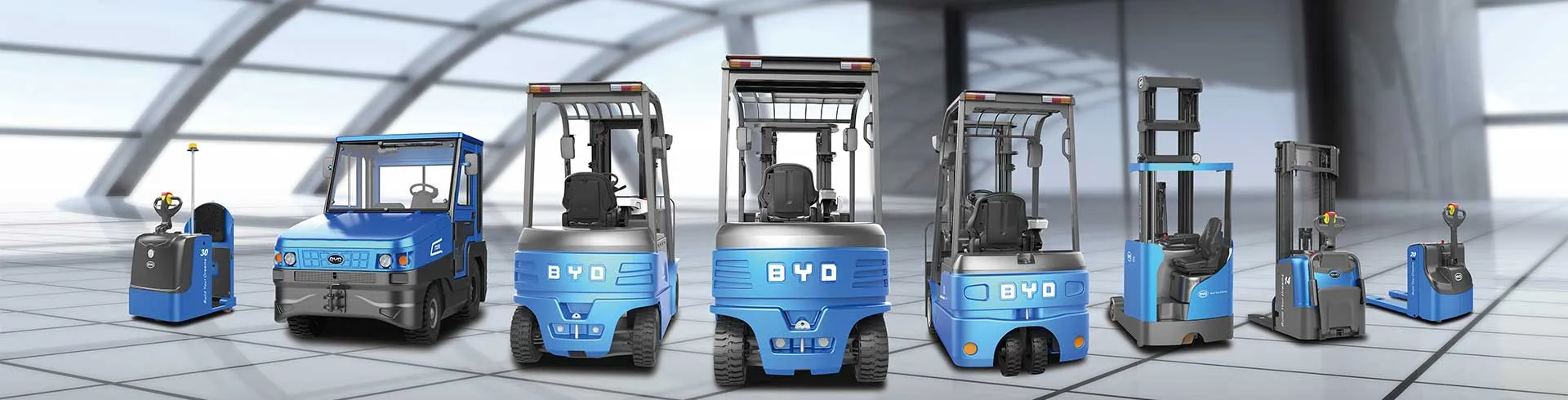
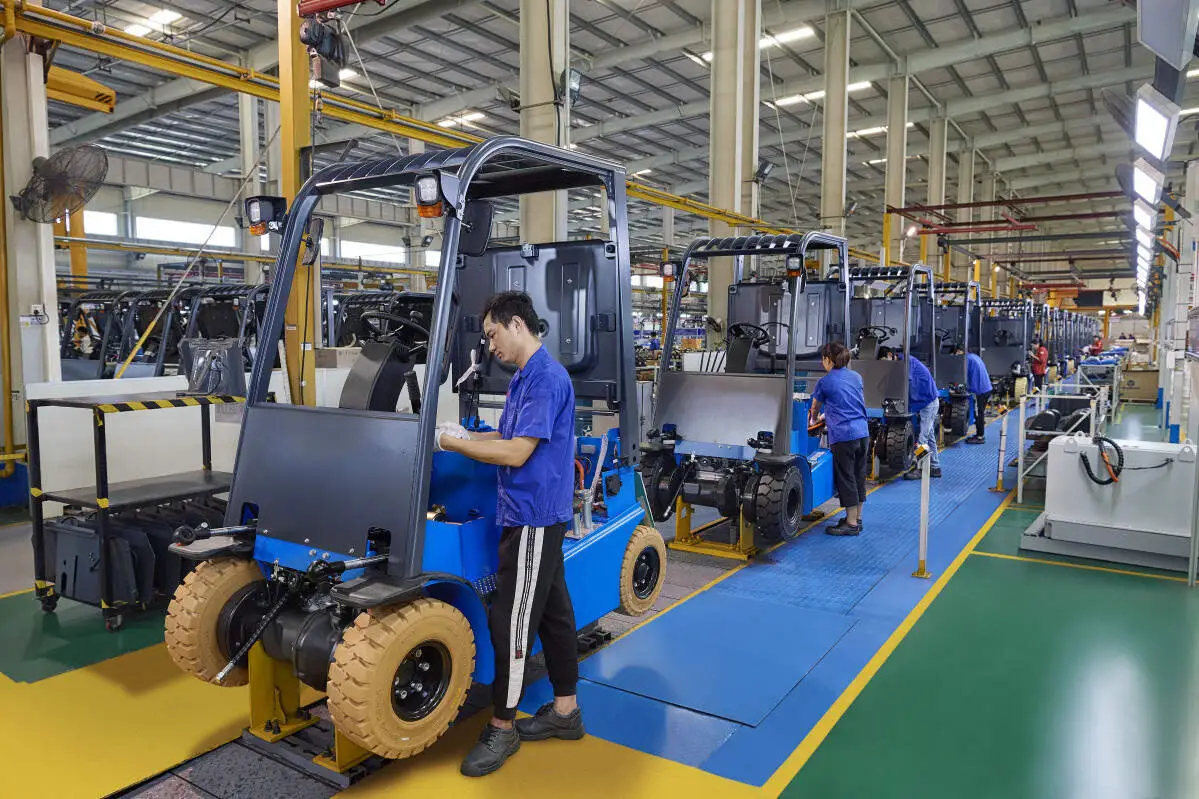
Basic performance and adaptation characteristics of lifting performance
Conventional lifting performance
The power output of the lifting system of this three-ton counterbalanced electric forklift is smooth, and the lifting speed under different load conditions remains stable without obvious frustration. The vertical offset during the lifting process is controlled within a reasonable range. When lifting to the commonly used three-meter operating height, the shaking amplitude of the gantry is also at a low level, which can adapt to the high-level access requirements of most indoor warehouses. The lifting limit setting responds in a timely manner, which can effectively reduce the risk of cargo damage caused by operation errors, and adapts to the lifting operation requirements of various conventional pallet cargoes.
Special lifting scene adaptation
In response to the different floor height configurations of some indoor warehouses, the optional door frame structure can cover the storage and storage needs from more than two meters to about six meters. The speed of full load descent is adjusted smoothly, and there will be no abnormal drop. Even when handling fragile goods, it can ensure the stability of the operation process and meet the differentiated lifting needs of indoor handling in different industries.
Setting Logic and Scene Adaptation of Turning Parameters
Performance of basic turning parameters
The minimum turning radius of this forklift has been adjusted reasonably, and it is at a moderate and optimum level among products of the same tonnage. The power feedback of the steering system is clear, and the operator adjusts the steering angle smoothly. Even those with little operating experience can quickly get used to it. The body roll amplitude during the turning process is controlled within a reasonable range, and good body stability can be maintained under full load.
Narrow channel scene adaptation performance
In response to the common dense shelf arrangement scenario in indoor warehouses, this forklift has a small turning channel width requirement, and does not need to reserve too wide passage space to complete the whole process of steering, turning, and stacking. It can effectively improve the utilization rate of storage space, reduce the additional cost of storage capacity transformation, and adapt to the operating environment of most stock warehouses.
The comprehensive adaptation advantages of indoor work
Combining the performance of the two core parameters of lifting and turning, this forklift can be well adapted to the needs of most ordinary indoor warehousing and workshop material transfer operations, not only meeting the requirements of high-level stacking, but also able to travel flexibly in narrow traffic areas. The overall operating efficiency can match the expectations of most indoor handling scenarios.


