
 简体中文
简体中文 Deutsch
 日本語
日本語 한국어
한국어 Tiếng Việt
 Русский
 ไทย
ไทย Bahasa Indonesia
 Bahasa Melayu
 Filipino
 لالعربية
 Français
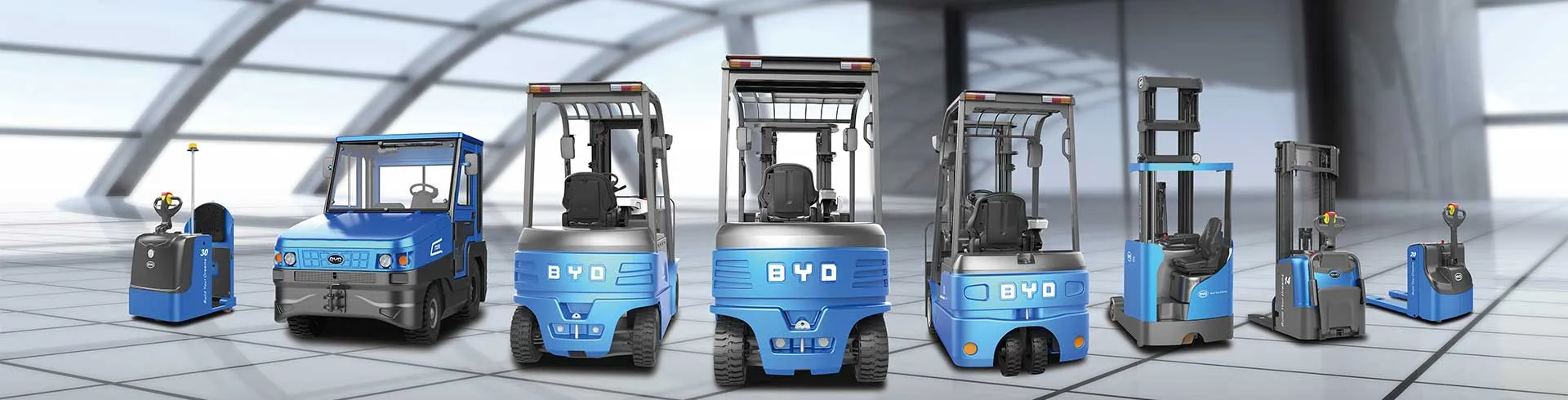
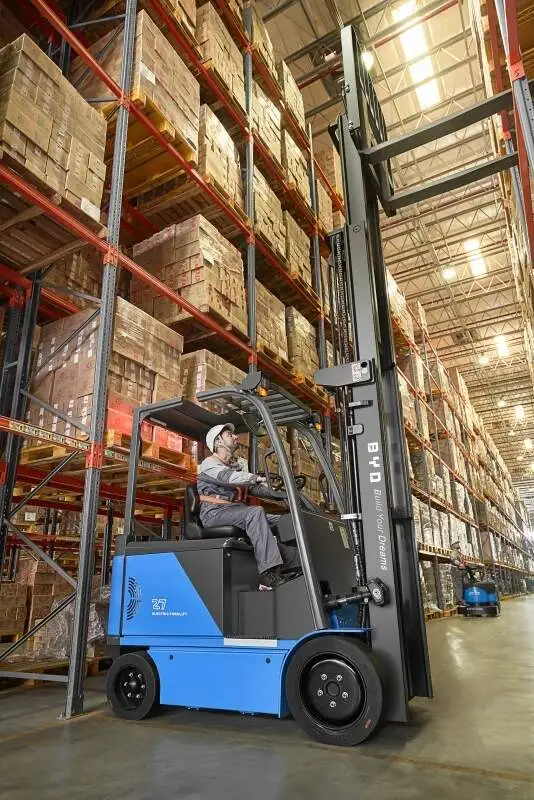
In scenarios with high space utilization requirements such as warehousing and handling, logistics turnover, etc., the 1.8-ton electric forklift is adapted to narrow-channel operations by virtue of its lightweight advantages. Its body size and fork specifications are the key parameters that determine the adaptability of the operation. The following is a summary of the relevant parameters of this type of equipment. In the body size part, the overall design of the equipment takes into account both maneuverability and load stability. After the total length parameters are optimized, they are adapted to the forking and transshipment paths of standard pallets; the total width parameters are controlled within a reasonable range, and most storage narrow passages can be passed smoothly; the total height parameters cover the lowest and highest lifting states of the gantry. The corresponding configuration needs to be selected according to the space conditions of the operation scene to avoid the risk of collision. In terms of fork specifications, the fork length provides multiple options to meet the needs of different length pallets for forking operations; the fork thickness and width are designed according to the rated load requirements to ensure structural stability under 1.8 tons of load; the fork distance can be flexibly adjusted to adapt to different widths of goods forking, improve the operation compatibility of equipment, and reduce the adjustment cost when switching goods of different specifications.


