
 简体中文
简体中文 Deutsch
 日本語
日本語 한국어
한국어 Tiếng Việt
 Русский
 ไทย
ไทย Bahasa Indonesia
 Bahasa Melayu
 Filipino
 لالعربية
 Français

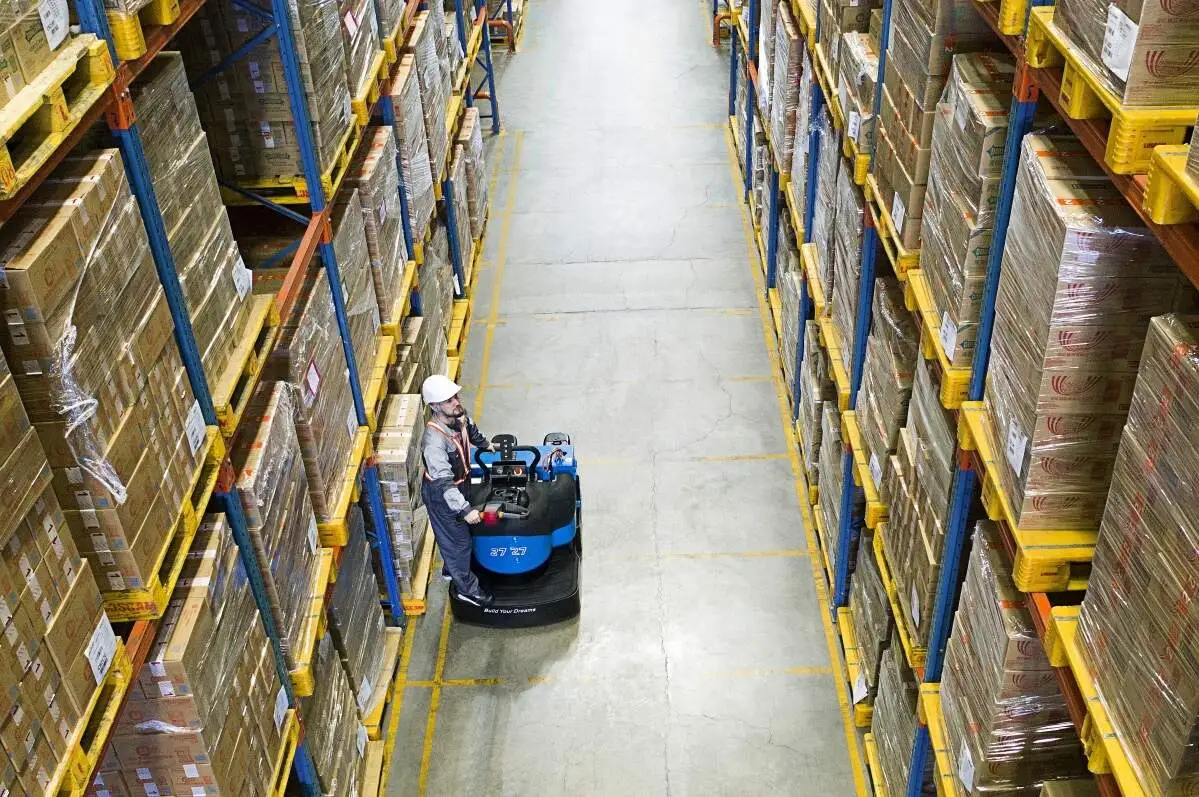
With the rapid development of logistics warehousing and manufacturing, lithium-ion forklifts have gradually become the main equipment for on-site operations due to their environmentally friendly and efficient characteristics, and long-term operation and maintenance costs have also become the core consideration for enterprises when purchasing and managing equipment. This paper takes the BYD ECB50 lithium-ion forklift as an example to analyze the cost composition in the long-term operation and maintenance process from multiple dimensions.
Routine basic maintenance costs
Routine inspection and cleaning costs are the basic links of daily operation and maintenance. The daily maintenance of BYD ECB50 mainly covers items such as brake system, tire wear, hydraulic system tightness, electronic control system status, etc. It usually conducts a comprehensive inspection once a month. The cost of each inspection is low, and it mainly involves labor costs, generally within 100 yuan. In addition, regular cleaning of equipment surfaces and key components can effectively reduce the erosion of dust and oil on components. This part of the operation can be completed by internal operators of the enterprise at almost no additional cost.
The replacement of wearing parts is an inevitable expense in daily operation and maintenance. For example, forklift tires, according to the wear and tear of the workplace, the replacement cycle is usually between half a year and a year, and the replacement cost of a single tire is about hundreds of yuan; hydraulic oil filter elements, air filter elements and other components, the replacement cycle is about 3 to 6 months, and the cost of a single filter element ranges from tens of yuan to hundreds of yuan. Overall, the annual replacement cost of daily wearing parts is maintained at the level of 1,000 yuan.
Battery core operation and maintenance cost
The operation and maintenance cost of lithium-ion batteries is a key part of the long-term investment of lithium-ion forklifts. For the lithium-ion battery carried by BYD ECB50, daily maintenance only requires regular inspection of the battery voltage and cleaning of the terminal interface. There is no need for complex operations such as adding water and equalizing charging like lead-acid batteries. Maintenance costs are extremely low, and only a small amount of manual inspection costs are required every year.
In terms of life cycle, the lithium battery of this type of forklift can last up to 5 to 8 years under normal use, and there is no need to replace the battery frequently during this period. Compared with the replacement cycle of lead-acid batteries of 2 to 3 years, the one-time investment cost of battery replacement can be greatly reduced in the long run. At the same time, the charging efficiency of lithium batteries is higher, and they can be charged at low electricity prices, further saving daily electricity costs.
Breakdown repair and contingency costs
The electronic control system and power system of lithium-ion forklifts have high stability, and the probability of failure is much lower than that of traditional fuel forklifts. The core components of BYD ECB50, such as motors, controllers, etc., have a low failure rate. If there is a failure, the maintenance cost is mainly concentrated on the replacement of parts. Due to the strong reliability of components, the average annual maintenance cost is relatively controllable. In addition, enterprises can purchase special project insurance for forklifts, covering accidents such as collisions and component damage. The annual insurance cost is thousands of yuan, which can effectively avoid the high expenditure caused by sudden failures.
Overall, the long-term operation and maintenance cost of the BYD ECB50 lithium-ion forklift is within a reasonable range among the same type of equipment. Through low-frequency daily maintenance, long-life battery systems, and stable core components, it can reduce the long-term operation investment for enterprises and is suitable for enterprises with continuous on-site operation needs.


