
 简体中文
简体中文 Deutsch
 日本語
日本語 한국어
한국어 Tiếng Việt
 Русский
 ไทย
ไทย Bahasa Indonesia
 Bahasa Melayu
 Filipino
 لالعربية
 Français
The core dimension of 8-ton electric forklift truck investment return
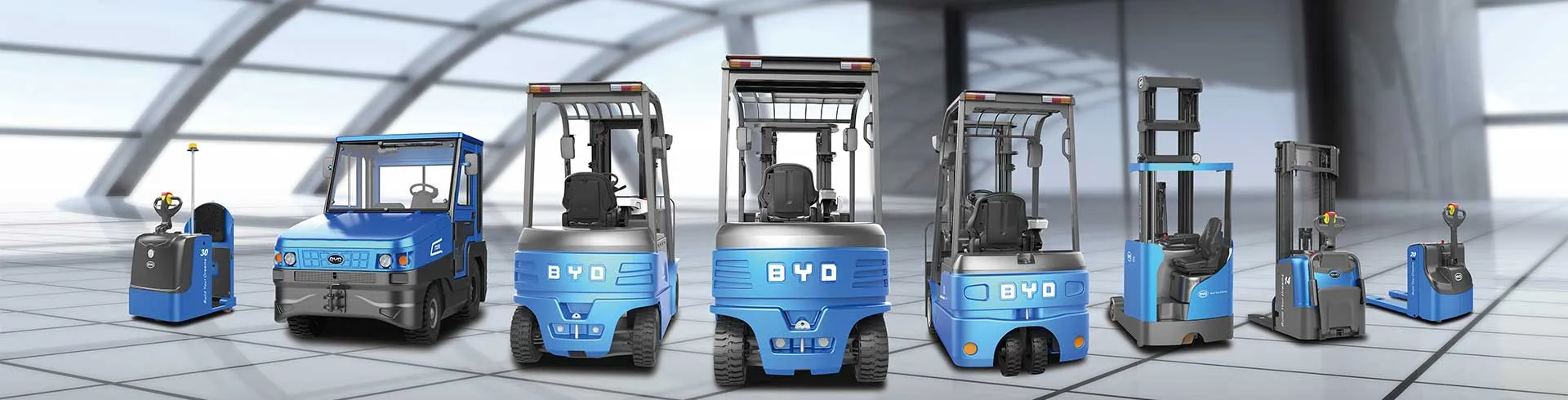
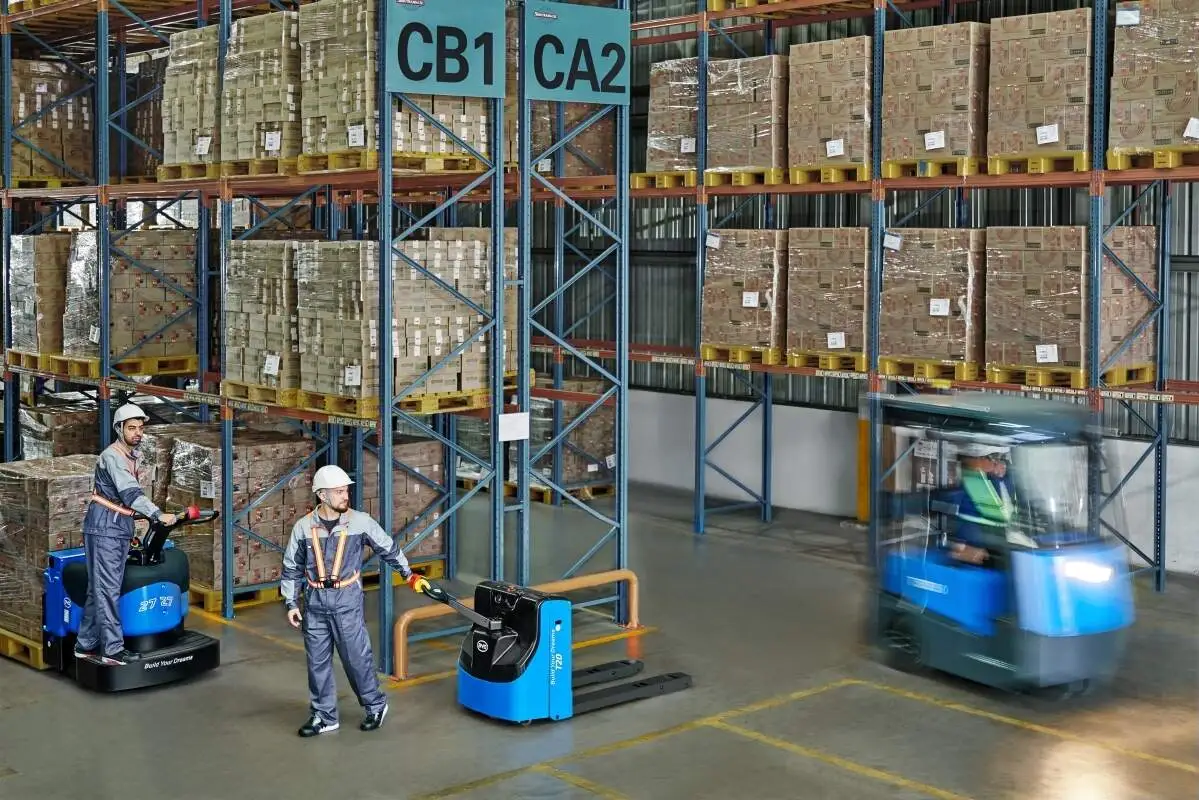
In order to analyze the return on investment of 1.8-ton forklifts, the core needs to focus on the matching of cost and income. The ECB18S model, as a typical representative of this level of electric forklifts, can be used as an industry reference for its economy, especially for indoor operation scenarios such as warehousing and logistics sorting. It meets the dual needs of green operation and cost optimization.
The cost of energy consumption is the core difference between electric forklifts and traditional fuel forklifts. Calculated at an average of 8 hours of operation per day, the energy consumption of this type of electric forklift is only one-fifth to one-quarter of that of a fuel forklift of the same tonnage, eliminating the need for additional costs for diesel procurement, storage, and transportation. Charging during grain power periods can further reduce energy consumption expenses and avoid cost uncertainties caused by fuel price fluctuations.
Comparison of maintenance and usage costs
The structure of electric forklifts is more concise, and the complex mechanical system without fuel engines requires only checking core items such as battery performance and brake components for daily maintenance. The annual maintenance cost is about 30% of that of fuel forklifts of the same tonnage, and there is no need to replace high-frequency consumables such as fuel filter elements and oil, which greatly reduces the complexity and hidden expenses of operation and maintenance.
Reference for Estimation of Investment Payback Period
Combined with the site operation intensity, if the ECB18S replaces the same tonnage fuel forklift, the initial purchase cost is slightly higher, but after deducting the annual savings in energy consumption and maintenance costs, the investment recovery period is about two to three years. After the recovery period, the cost savings can be realized every year. The low noise and zero exhaust characteristics of electric forklifts can optimize the operating environment and indirectly improve operating income.


