
 简体中文
简体中文 Deutsch
 日本語
日本語 한국어
한국어 Tiếng Việt
 Русский
 ไทย
ไทย Bahasa Indonesia
 Bahasa Melayu
 Filipino
 لالعربية
 Français
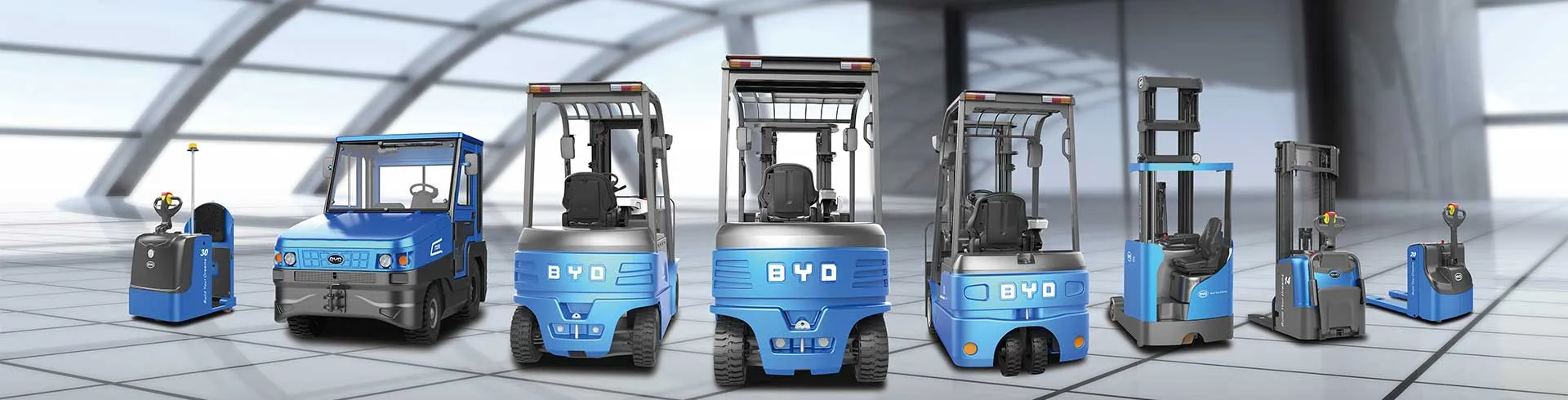
With the acceleration of the digital transformation of the logistics industry, warehousing, as the core hub of the supply chain, is facing the dual upgrade demand of efficiency improvement and green and low carbon. The upgrade of warehousing equipment is not only related to the speed of operation, but also directly affects the operating cost and market response ability of enterprises. This paper analyzes the performance of electric forklifts in typical working conditions based on the characteristics of different warehousing scenarios, and provides a reference direction for the optimization of warehousing systems.
The core direction of warehouse equipment upgrade
Storage equipment upgrade mainly focuses on three dimensions: first, intelligent transformation, through the Internet of Things technology implementation equipment remote monitoring, path planning and abnormal warning, reduce manual intervention; second, green transformation, to replace the traditional fuel power with electric power, reduce carbon emissions and noise pollution; third, flexible expansion, equipment needs to support multi-category cargo handling, rapid change and space adaptation, to meet the needs of e-commerce small batch, multi-batch operation.
Application Performance of Electric Forklift in Typical Storage Conditions
#E-commerce warehousing: Efficiency requirements in high-frequency turnaround scenarios
E-commerce warehousing has the characteristics of large order fluctuations and high operation frequency. Electric forklifts need to have:
Quick response capability: short wheelbase design and flexible steering system for narrow aisle shelves and high-density storage.
Precise operation performance: Electronic steering and braking systems reduce the tilt of goods and reduce the sorting error rate.
- Long battery life guarantee: high-capacity battery and intelligent charge and discharge management, support continuous operation for more than 12 hours to meet peak demand.
Manufacturing warehouses: heavy handling and precision operation requirements
Manufacturing warehouses often involve the handling of heavy materials (such as machinery parts and steel), and electric forklifts require:
- Stable power output: AC motor drive, precise torque control, suitable for 2-5 tons of cargo lifting;
- Safety protection design: hydraulic descent system avoids shaking of goods, and the anti-collision structure of the body reduces shelf damage;
Modular configuration: can quickly replace forks, fixtures and other accessories, compatible with pallets, boxes, bulk and other types of goods.
Cold Chain Storage: Reliability Guarantee in Low Temperature Environments
Cold chain storage requires strict low temperature adaptability of equipment, and electric forklifts need to:
- Battery low temperature optimization: using thermal insulation battery box and low temperature charging and discharging technology to ensure battery life at -20 ° C;
- Motor heat dissipation design: sealed motor and heat dissipation air duct to avoid condensation affecting the operation of the equipment;
Anti-freezing hydraulic system: dedicated anti-cryogenic hydraulic oil and anti-freezing pipelines to ensure the continuity of operation in extreme environments.
Dangerous Goods Storage: Safety Performance and Environmental Adaptability
Dangerous goods storage equipment requires explosion-proof and anti-static characteristics, and electric forklifts require:
Explosion-proof structure design: flameproof motor and spark-free circuit to avoid static electricity and spark-induced safety hazards.
Anti-leakage protection: double-layer fuel tank with anti-corrosion coating to prevent chemical leakage and contamination.
Low vibration operation: Optimize the motor and chassis shock absorption system to reduce dust accumulation caused by material friction.
Comprehensive Consideration of Warehousing Equipment Upgrade
In the process of equipment upgrade, enterprises need to combine the characteristics of their own scenarios:
1. Condition matching: according to the weight of the goods, storage density and operation intensity, choose the equipment that suits the tonnage and performance parameters;

2. Full life cycle cost: considering the procurement cost, energy consumption cost and maintenance cycle, prioritize products with long life and low maintenance.
3. Future scalability: Reserve intelligent interfaces for later upgrades to IoT management systems or access to automated scheduling platforms.
conclusion
Warehousing equipment upgrade is a key path for logistics enterprises to reduce costs and increase efficiency. As the core equipment, the performance of electric forklifts directly affects the operation efficiency of the warehousing system. Enterprises should base themselves on the needs of their own scenarios and promote the development of warehousing systems in the direction of intelligence, greening and flexibility through rational selection and technological upgrading, and ultimately achieve an all-round improvement in the competitiveness of the supply chain.


